A Guide to Custom Orthotics and Podiatrist-Recommended Shoes
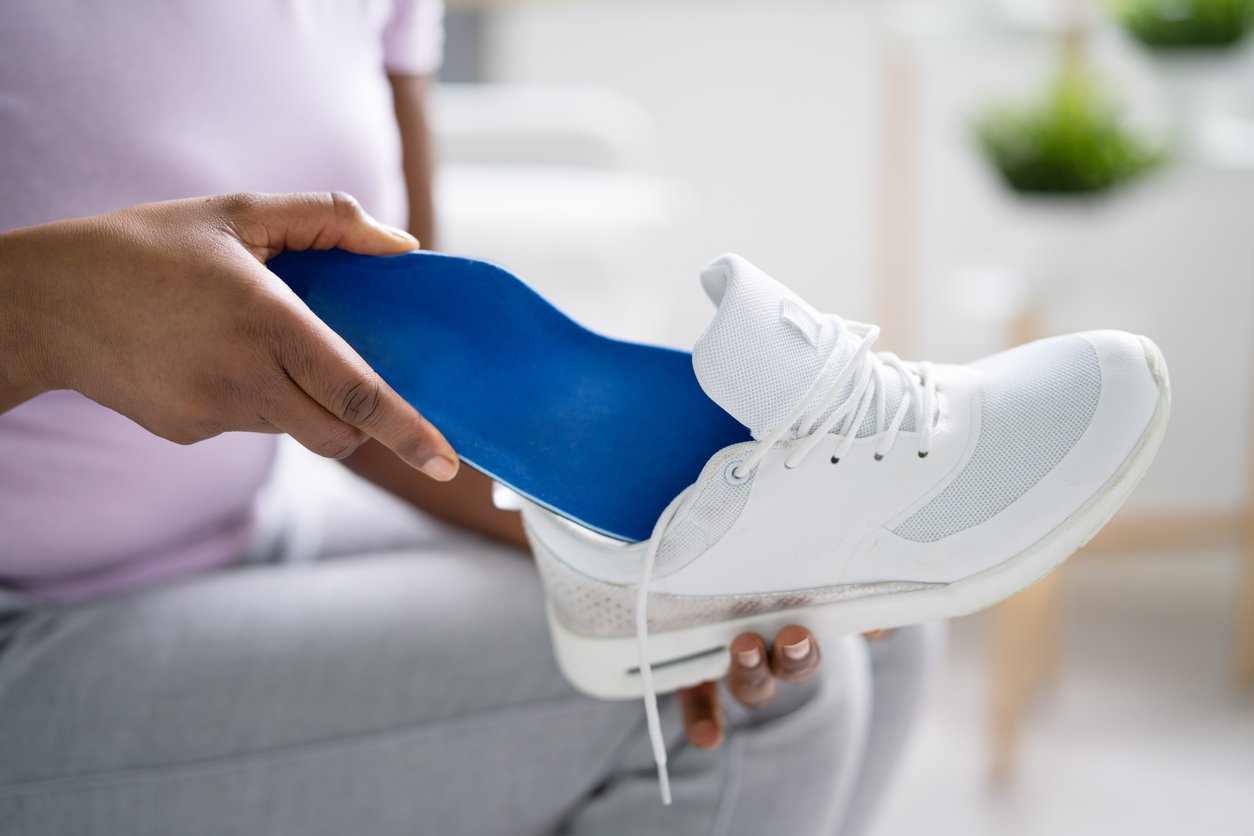
It may sound counterintuitive, but foot problems don’t only impact the feet. They can have an effect on the ankles, knees, hips, lower back and a person’s gait. For many people, relief starts with the right support. That’s where custom orthotics and podiatrist-recommended shoes come in. Read on for a guide to what each one does, how they work together and when they’re worth considering.
How Custom Orthotics Work
No two people have the same exact foot structure. Custom orthotics are prescription shoe inserts tailored to your feet. Your podiatrist will evaluate your foot structure, gait, and alignment and design custom orthotics to address your specific needs and concerns. Custom orthotics are meant to support your arches, evenly distribute pressure, improve stability and correct structural issues. They’re far more effective than store-bought inserts, which only provide general cushioning. In fact, over-the-counter inserts can worsen foot pain because they’re not designed for your unique foot structure. Custom orthotics, on the other hand, not only provide relief from foot pain, but they also ease strain on the joints.
How Podiatrist-Recommended Shoes are Different
Store-bought shoes are typically designed for style. Even footwear that promises support and better function often underdelivers. Podiatrist-recommended shoes are designed with structure, support and function in mind. They often feature a firm heel counter, proper arch support, a well-fitted and roomy toe box, and a cushioned yet stable sole, all of which work to reduce pressure and improve stability. Many podiatrists, like our doctors at North Texas Foot & Ankle, sell these shoes directly in their offices. They also usually help you find the right size, fit and style.
How They Work Together
Custom orthotics and podiatrist-recommended shoes are a dream team when it comes to foot support. Custom orthotics work to correct specific mechanical issues in your feet, while the shoes provide stable structure for corrections to be effective. Say you get custom orthotics made from a 3D mold of your foot that outlines the exact structure of your feet, including your arches, heels and where you bear weight. If you put those orthotics into a flimsy shoe, they won’t function to their full potential. If you wear podiatrist-approved shoes without custom orthotics, you’ll definitely get improved structure and support, but they’ll do little to correct alignment issues you may have.
When You Might Need Them
The number one sign that custom orthotics and podiatrist-recommended shoes may be right for you is persistent foot pain or ankle pain, especially if it extends to the knees, lower back or how you walk. If you have foot conditions like bunions, flat feet, high arches, plantar fasciitis or arthritis, these footwear upgrades usually provide relief and help correct issues. Orthotics and podiatrist-approved shoes can also be beneficial for people with diabetes, as they evenly distribute pressure, help prevent ulcers and protect against issues stemming from diabetic neuropathy.
If you’re curious if custom orthotics or podiatrist-recommended shoes could be a good option for you, contact the Carrollton podiatrists at North Texas Foot & Ankle today for guidance. Call us at (214) 574-9255 or contact us online to schedule an appointment at our Irving office.