Cold Weather and Foot Pain: What You Need to Know
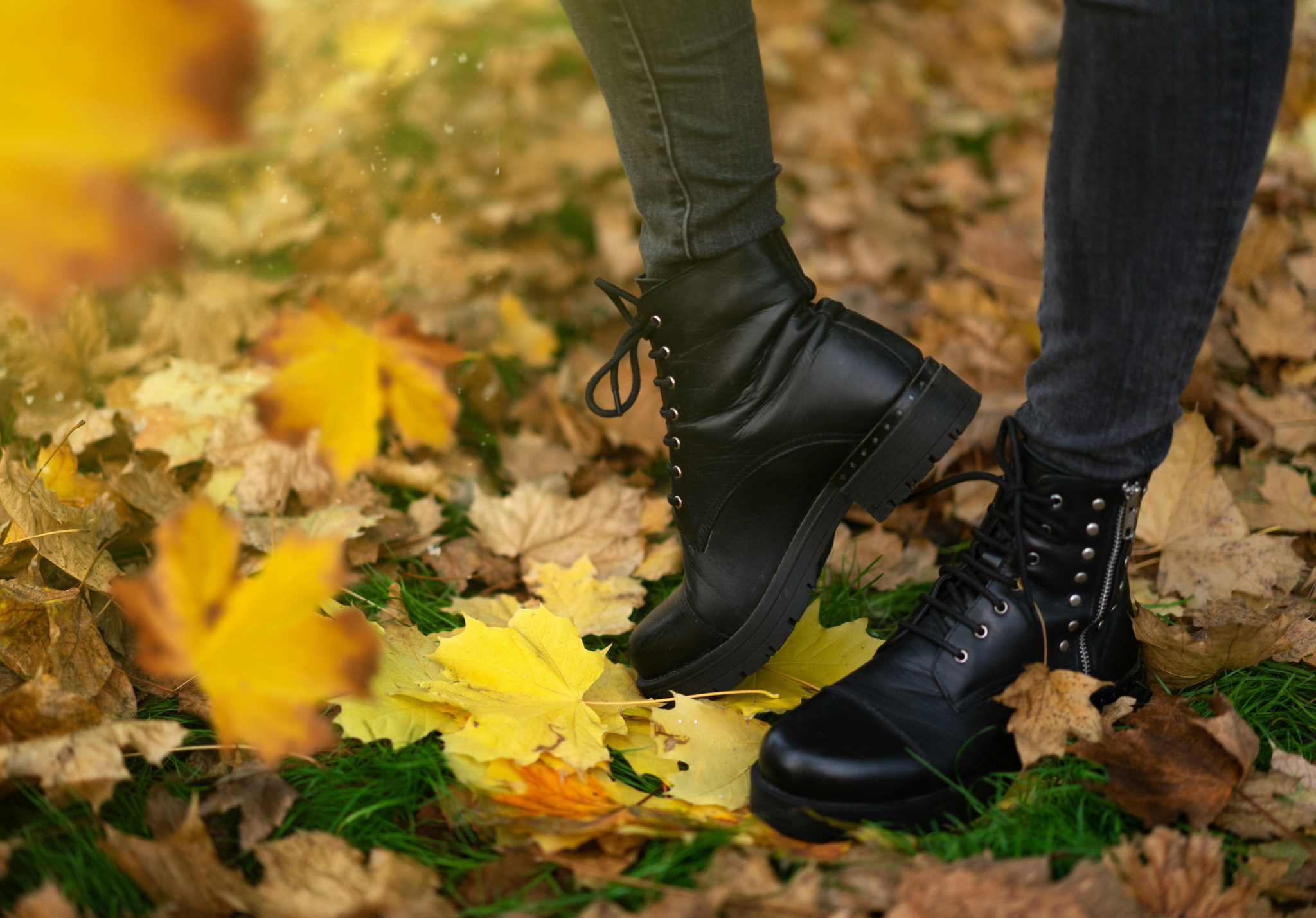
As the weather cools down in the autumn and winter months and people are switching from sandals to boots, a number of foot problems can worsen or be brought to the surface. Knowing what to expect can help you avoid unnecessary discomfort, or at least manage existing conditions without having them worsen. Here’s a look at some of the most common cold-weather foot conditions:
Cracked Heels
Cracked heels happen as a result of a lack of moisture in the skin. The cold and dry outdoor air is a major contributor. Pair that with the even drier heated indoor air, and you have the perfect conditions for dry, cracked heels to develop. These cracks are also known as fissures, and they can be extremely uncomfortable. In some cases, they can be very deep and may even bleed, which increases the risk of infection. Regular moisturizing, especially at night right before bed, can help you avoid cracked heels.
Circulation and Nerve Issues
Cold temperatures cause blood vessels to narrow, which can reduce blood flow to the feet. Poor circulation often causes fluids to pool in the lower body, leading to swelling in the feet, ankles and lower legs. Poor circulation can also leave your feet feeling cold, no matter how you try to warm them up. Reduced circulation and nerve issues are closely related. If you already have neuropathy from an underlying condition like diabetes, the cold weather can cause numbing, tingling or burning sensations to worsen.
Arthritis and Plantar Fasciitis Pain
Many people notice that their bodies feel stiffer and achier in the cold. Those with arthritis or plantar fasciitis often report their symptoms worsening, and many factors contribute to this. The first is reduced blood flow, which can contribute to the stiff sensations. The second is changes in air pressure, which can cause muscles and tissues to expand, putting excess pressure on the joints. Tendons and calf muscles also become tighter and lose flexibility, and the synovial fluid that lubricates the joints can become thicker and make the joints feel less mobile.
Ingrown Toenails and Blisters from Tight-Fitting Boots
When the temperatures drop in Texas, people soon move from open-toed shoes to thick socks and boots. While this helps keep your feet warm, the shift in footwear can bring about issues like ingrown toenails and blisters. Boots that are too narrow toward the toes put pressure on the toenails and skin around them, which can lead to painful ingrown toenails. Similarly, boots that are too tight or too big can cause friction, leading to blisters. Both are uncomfortable and can become infected. To avoid them, wear properly fitting, supportive boots and be aware of how thick your socks are.
Sprained Ankles from Slips and Falls
Ice and snow make slips and falls a familiar sight during the colder months. Rolled or sprained ankles are a common result. If you slip, trip or fall and experience swelling, bruising or pain when putting weight on your feet or ankles, don’t brush it off as a simple tweak. Untreated sprains can put you at a higher risk of repeat injuries and chronic ankle instability. To avoid ankle sprains, wear proper winter footwear and walk as carefully as possible, even if that means moving a bit slower.
Cold-weather foot pain is common and not always easily avoided. Whether it’s painful cracked heels, an arthritis flare-up or an ankle injury you’re facing, the Bedford podiatrists at North Texas Foot & Ankle are here to help. Schedule an appointment with us at our Irving office by calling (214) 574-9255 or contacting us online.