Common Summer Foot Conditions and How to Avoid Them
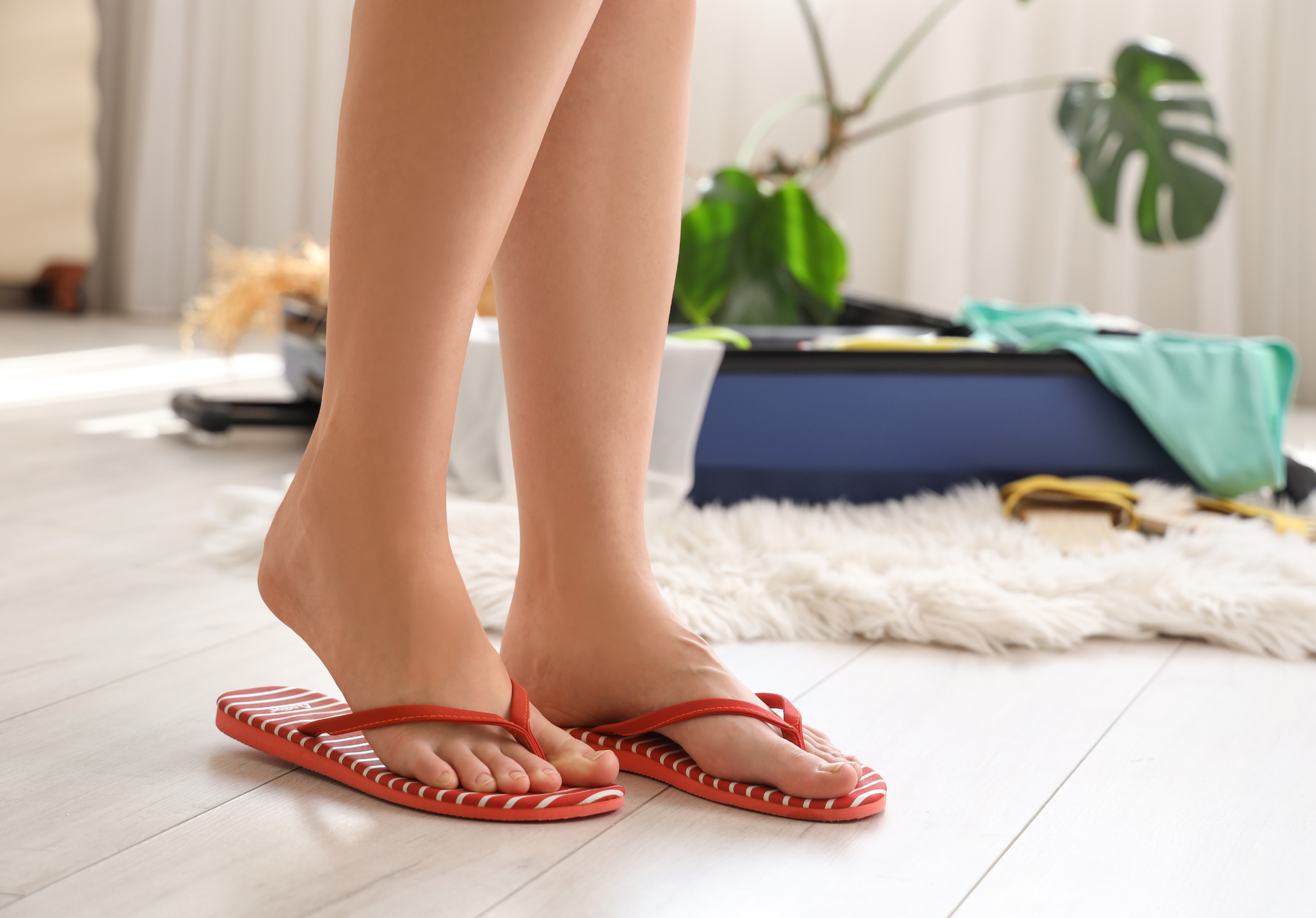
Summer means sandals, days at the pool and more time spent participating in athletic activities. These are all the things your feet and ankles may not be used to during other times of the year. The extra exposure to heat, moisture and friction can lead to some common and uncomfortable problems. The good news is that many of them are easy to avoid with a few preventative steps. Read on to learn about the most common summer foot conditions and how to avoid them.
Fungal Infections (Athlete’s Foot)
Athlete’s foot is a fungal infection that causes itching, redness and peeling or cracked skin. It often shows up between the toes, the bottom of the feet or the outer edges of the feet. Athlete’s foot thrives in warm, damp environments, making the inside of sweaty shoes the perfect breeding grounds. You can also get athlete’s foot by walking barefoot in locker rooms, around pool decks and in communal showers. To prevent foot fungal infections, always wear flip flops in these types of public places, or wear moisture-wicking socks when you have on sneakers or closed-toed shoes. You can also try an over-the-counter antifungal powder or spray to keep your feet dry throughout the day.
Plantar Warts
Plantar warts are small, rough skin growths usually found on the bottom of the feet, either on the heel or ball, where you bear most of your weight. They can be bumpy and callus-like, and may have black dots on the surface. Plantar warts happen when your feet come into contact with human papillomavirus (HPV). The virus enters through small cuts or breaks in the skin, leading to an infection. Public pools, gyms, saunas and steam rooms—places where bare feet spend a lot of time in the summer—are breeding grounds for plantar warts. Always wear shoes in these areas, and never share towels, socks or shoes with another person.
Blisters
Blisters are fluid-filled pockets, often taking on the appearance of small bubbles that form on the skin due to friction. Blisters are common on the heels and toes, but they can form on the bottoms of the feet, as well. Shoes that don’t fit properly, whether too big or too loose, can cause uncomfortable rubbing in certain places, which leads to blisters. Moisture is also a common culprit, as it increases friction. During summer, people break out new sandals, which can cause rubbing between the toes, or find themselves sweating more due to the heat. To avoid blisters, wear properly fitting shoes, break in new shoes gradually, control moisture and try blister pads.
Edema
Edema is swelling in the feet and ankles caused by excess fluid, making the affected areas look tight, swollen or puffy. In the summertime, heat can be a cause of edema, as the blood vessels widen to keep the body cool. This, along with gravity, causes excess fluid to pool into the skin tissue at the lowest points of the body. It usually happens after long periods of sitting or standing. To reduce the risk of developing heat-related edema, stay well hydrated, elevate your feet while resting and avoid wearing tight footwear that restricts circulation.
Ingrown Toenails
Ingrown toenails happen when the edge of the toenail grows into the surrounding skin, causing pain, redness and swelling. While ingrown toenails can happen any time of year, a few factors make them common during the summertime. The heat causes your feet to sweat and slightly swell, making shoes feel tighter and squeezing the toes. The excess moisture also softens the skin, making it easy for the nail to penetrate. Shoes that are too tight or sandal straps that are too narrow, causing pressure on the toes, are also common culprits. To avoid ingrown toenails, choose shoes that give your feet some room to breathe and properly control moisture. Practice proper nail trimming techniques, including cutting the nail straight across, instead of curved or notched.
Plantar Fasciitis
Plantar fasciitis is inflammation of the plantar fascia, which is the thick band of tissue that runs along the bottom of the foot. This condition causes sharp heel pain and tenderness. Flat shoes, like the sandals and flip flops usually worn during this time of year, are a common risk factor for developing or worsening plantar fasciitis. The best way to avoid this condition is to choose footwear with proper arch support and cushioning, use orthotic inserts, and gently massage or stretch your feet regularly.
Now that you know how to protect your feet during the summer heat, you can stay healthy and active all summer long. If you do develop one of these conditions, despite your best efforts, the Addison podiatrists at North Texas Foot & Ankle are here to help! Call (214) 574-9255 or contact us online to book an appointment.