Signs of Diabetic and Venous Wounds You Shouldn’t Ignore

Diabetic foot ulcers and venous leg ulcers are more than just small wounds on the feet and ankles; they’re warning signs of underlying nerve or circulation problems that can lead to serious complications if left untreated. Fortunately, this can be avoided if you know what to look for. Here are the signs of diabetic and venous ulcers and why you shouldn’t ignore them:

Pain, Tingling, Numbness

Many people with diabetes have diabetic neuropathy due to high blood sugar, which causes damage to the nerves, including those in the feet. This often leads to a loss of sensation in the feet. While some people may feel pain as a sign of diabetic foot ulcers, those with diabetic neuropathy won’t feel pain but may experience numbness. 

On the other hand, pain is a common sign of venous leg ulcers. Pain can be dull, sharp, throbbing or even burning. Some report that their leg feels heavy or that they feel an itching or tingling sensation. Pain from venous ulcers can range from mild to severe, depending on the stage of the wound.

Redness or Discoloration

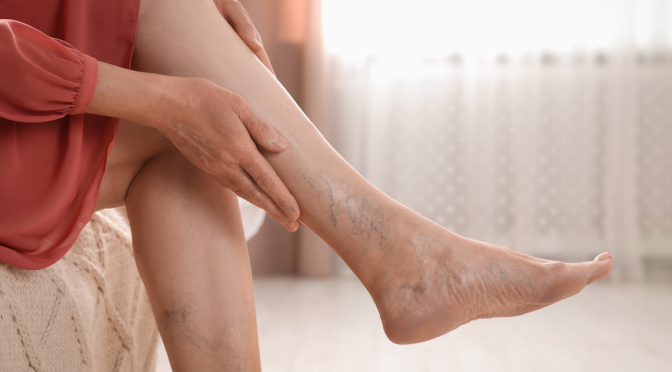
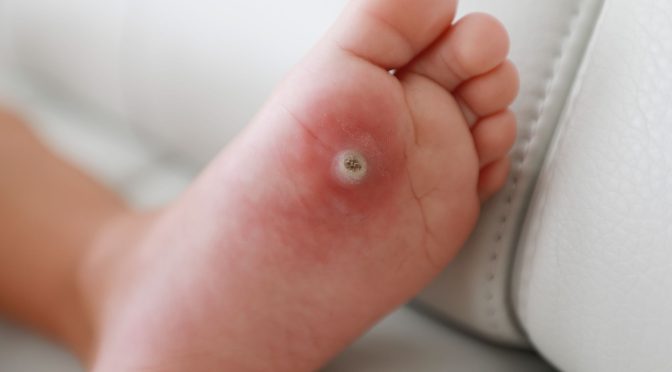
Discoloration in the feet, ankles or lower legs is a sign of changes in the skin tissue. For those with diabetes, pink or red discoloration can indicate the beginning of an ulcer formation. The further along diabetic ulcers are, the darker the color usually becomes. Brown, purple or black discoloration usually means a lack of blood flow in diabetic ulcers at more severe stages. For venous leg ulcers, the base of the ulcer is usually red and may have yellow tissue surrounding it. The skin around the ulcer can be reddish brown or purple due to blood pooling in the area.

Swelling in the Feet, Ankles, or Legs

Swelling is a common sign of both diabetic ulcers and venous leg ulcers, although they take slightly different forms. Swelling in diabetic ulcers usually happens in the feet, around the ulcer, while swelling in venous leg ulcers can affect the entire lower leg, the ankle and even down into the foot. If you notice swelling in the legs, feet or ankles that doesn’t improve with rest and elevation, it’s time to get it checked out by a foot and ankle specialist.

Changes in Skin Temperature or Texture

If skin is warm or hot to the touch, this is a sign of inflammation or infection, while cool spots on the skin can indicate poor blood flow. For people with diabetes, the skin in the feet can become dry, callused and scaly. For those with venous disease, the skin in the legs can feel tight and have a shiny appearance. Temperature and texture changes in the skin are both signs that the skin is under stress for one reason or another, making them signs that an ulcer is forming or has already formed.

Slow-Healing Cuts, Blisters, or Sores

In diabetic and venous conditions, the body’s natural healing process is slowed greatly, increasing the risk of infection for even the smallest of cuts, blisters or sores. These small injuries lead to ulcers if they’re not managed properly. Small cuts or sores that don’t heal on their own within a week should be evaluated and treated by a podiatrist because they could be an early sign of forming ulcers.

Why Early Detection Matters

Catching the signs of diabetic and venous ulcers early can make all the difference in the healing process. Prompt treatment and wound care can prevent these wounds from worsening, becoming infected, or possibly leading to extensive treatment and recovery. If you notice any indications of diabetic foot ulcers or venous leg ulcers, including signs of infection like swelling and discharge, reach out to a podiatrist. The team at North Texas Foot & Ankle specializes in providing wound care for any foot and ankle condition. Give us a call at (214) 574-9255 or book an appointment online.
Essential Wound Care for Diabetic Foot Ulcers and Venous Leg Ulcers

Beyond being painful sores, diabetic foot ulcers and venous leg ulcers are serious health concerns that, if not properly managed, can lead to complications, including infection, hospitalization and, in more severe cases, amputation. Fortunately, there are effective strategies for managing these wounds and promoting healing. Read on to learn more about these wounds and what essential wound care looks like.

Understanding the Causes and Risks

Diabetic foot ulcers form due to poor circulation, foot deformities, neuropathy and other factors affecting the immune system. Venous leg ulcers result from poor circulation and venous insufficiency, meaning that veins struggle to return blood from the legs back to the heart, causing blood to pool in the lower body and increased pressure in the veins. Both types of ulcers carry risks of infection, delayed healing and more serious complications. Early intervention and consistent wound care can help you avoid these risks.

Importance of Proper Wound Assessment

If you’re diabetic, regularly checking for wounds is essential. Neuropathy causes you to lose sensation in the feet, making ulcers and other wounds undetectable unless you actively check for them. If you have a diabetic foot ulcer or a venous leg ulcer, you should regularly assess your wound for signs of infection, like increased redness or swelling. If healing slows or signs of infection appear, seeking medical attention is crucial to prevent the condition from worsening.

Cleaning and Dressing the Wound

For either type of ulcer, keeping the wound clean and properly dressed is essential. Use saline or antibacterial topical medication recommended by your foot and ankle specialist to clean the wound. Although it was once commonly believed that you should let wounds “air out,” this isn’t the case here. Keeping a moist wound environment promotes healing and lowers the risk of infection. Based on your individual needs, your doctor will recommend a dressing to cover the wound that will keep it moist and absorb excess fluid. Change dressings regularly as directed by your doctor to keep the wound clean and protected from bacteria.

Managing Underlying Conditions

For both types of wounds, managing the underlying conditions is key to promoting healing. It’s critical for people with diabetes to maintain stable glucose levels. High blood sugar can impair the body’s natural healing processes and weaken the immune system, making it more difficult to heal and fight off infections. Consistently elevated glucose levels can also damage blood vessels and nerves, reducing circulation and sensation in the feet (neuropathy), which further increases the risk of complications. 

In the case of venous leg ulcers, controlling swelling and venous insufficiency is essential because the pooling of blood in the lower extremities increases pressure in the veins. This causes further damage to the skin and surrounding tissues. Reducing swelling and pressure with treatments like compression therapy can help wounds heal more effectively.

Offloading and Relieving Pressure

Proper wound care for diabetic foot ulcers also involves reducing pressure on the foot. Offloading devices like specialized footwear and casts can help redistribute weight away from the ulcer, limiting the pressure. Your doctor may instruct you to be non-weight bearing depending on the severity of your wound, which often means bed rest or wheelchair use. 

Promoting Circulation

Improving blood flow is an essential piece of the wound care puzzle for venous leg ulcers. The pressure that builds up from excess fluid and blood pooling makes it more difficult for the ulcer to heal. To avoid this, elevate your leg for short periods throughout the day to reduce swelling. Engage in gentle movement to encourage circulation, and avoid standing or sitting in one position for a long time.

Recognizing Signs of Infection

When caring for these wounds, stay on the lookout for signs of infection, including:

  • Increased redness or swelling
  • Warmth
  • Drainage
  • Foul odor
  • Pain

If you notice any of these symptoms, you should seek medical help. Attempting to treat infections yourself without the guidance of a foot and ankle specialist may worsen the condition. Professional medical care ensures appropriate treatment and helps prevent the spread of infection.

When to Seek Help From a Foot and Ankle Specialist

If your wound isn’t improving or is showing signs of infection, it’s time to consult a foot and ankle specialist for help. Diabetic foot ulcers and venous leg ulcers can worsen without appropriate treatment, especially when complicated by underlying chronic conditions. When these wounds worsen, the health risks can be severe. Foot and ankle specialists will make treatment recommendations based on your individual needs. Sometimes, this may include surgical procedures, like debridement, to remove the dead tissue, reduce infection and promote healing.

Wound care for diabetic foot ulcers and venous leg ulcers involves a lot of special attention and proactive steps. By following proper wound care practices, monitoring for infections and working with a foot and ankle specialist, you can heal more effectively and reduce the risk of complications. North Texas Foot & Ankle provides specialized wound care for diabetic foot ulcers, venous leg ulcers and more. If you discover a wound, reach out to our team by giving us a call at (214) 574-9255 or contacting us online.