How Does the Ankle Arthrodesis Procedure Work?

Ankle instability and pain can happen for a variety of reasons. One of the most common is ankle arthritis. Over time, arthritis can wear down the cartilage that cushions and lubricates the ankle joint. Eventually, the bones in the joint start rubbing together, and this can cause severe pain and discomfort. Fortunately, there are ways of relieving this pain, including ankle arthrodesis, also known as ankle joint fusion. Read on to learn more about this surgical procedure:

What’s the Purpose?

If you have ankle arthritis or ankle instability due to another underlying condition, ankle arthrodesis is a procedure that helps reduce pain and improve stability by removing the arthritic joint and causing the painful motion to stop. In certain cases for severe underlying conditions, such as osteoarthritis, rheumatoid arthritis and after serious injuries, ankle arthrodesis can be an alternative to full ankle replacement.

What Does it Involve?

You’ll be examined by a podiatrist, and certain imaging tests will be done. Once your podiatrist has determined that ankle arthrodesis is the best course of action, they will prepare you for the procedure. During surgery, the bones in the ankle joint will be fused together, essentially forming one bone. Your podiatrist will make an incision, remove damaged cartilage and bone, secure screws or plates to fuse your bones, and then close the incision.

What are the Benefits?

Fusing the bones in the ankle together prevents them from rubbing against each other, eliminating friction. This relieves pain and improves stability in the ankle. Ankle arthrodesis is a long-lasting solution that not only improves function but also enhances quality of life by allowing you to enjoy your regular activities without pain. In many cases, symptoms completely go away after recovery. It’s a safe and effective way to reduce discomfort that non-surgical treatment options don’t always offer.

What Does the Recovery Process Look Like?

Recovery from ankle arthrodesis usually takes about three months, but it can take longer depending on the person and the post-surgical physical therapy. During the recovery process, the bones will grow and fuse together. This takes time. You can expect to be non-weight-bearing for the first month or two, using crutches or a knee scooter to navigate. Along the way, your podiatrist may recommend physical therapy to help you regain strength in the extremity and learn to walk again. Your podiatrist will also advise you as to when it’s safe to return to your regular activities.

How Do I Know if Ankle Arthrodesis is Right for Me?

Your podiatrist likely won’t recommend ankle arthrodesis until other treatment options have been exhausted and have failed to provide relief. Although ankle arthrodesis is generally considered a safe procedure, not everyone is a good candidate. For example, this procedure may not be safe for those with uncontrolled systemic diseases, poor circulation or nerve damage. That’s why it’s important to reach out to a podiatrist. They will thoroughly assess your condition and take your medical history into account before deciding whether ankle arthrodesis is the right treatment option for you.

If you have ankle arthritis or experience ankle instability from another underlying condition, reach out to the Irving podiatrists at North Texas Foot & Ankle to see if ankle arthrodesis is an option for you.
Signs of Diabetic and Venous Wounds You Shouldn’t Ignore

Diabetic foot ulcers and venous leg ulcers are more than just small wounds on the feet and ankles; they’re warning signs of underlying nerve or circulation problems that can lead to serious complications if left untreated. Fortunately, this can be avoided if you know what to look for. Here are the signs of diabetic and venous ulcers and why you shouldn’t ignore them:

Pain, Tingling, Numbness

Many people with diabetes have diabetic neuropathy due to high blood sugar, which causes damage to the nerves, including those in the feet. This often leads to a loss of sensation in the feet. While some people may feel pain as a sign of diabetic foot ulcers, those with diabetic neuropathy won’t feel pain but may experience numbness. 

On the other hand, pain is a common sign of venous leg ulcers. Pain can be dull, sharp, throbbing or even burning. Some report that their leg feels heavy or that they feel an itching or tingling sensation. Pain from venous ulcers can range from mild to severe, depending on the stage of the wound.

Redness or Discoloration

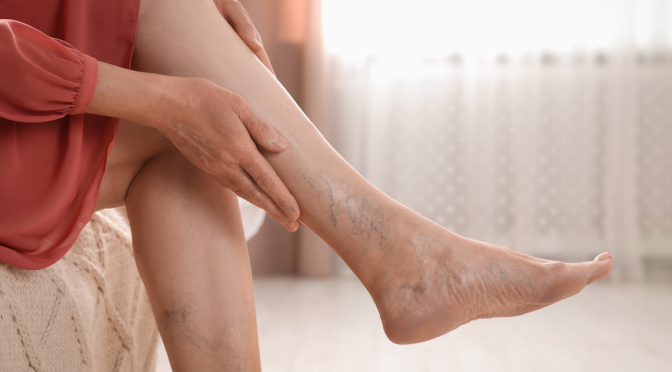
Discoloration in the feet, ankles or lower legs is a sign of changes in the skin tissue. For those with diabetes, pink or red discoloration can indicate the beginning of an ulcer formation. The further along diabetic ulcers are, the darker the color usually becomes. Brown, purple or black discoloration usually means a lack of blood flow in diabetic ulcers at more severe stages. For venous leg ulcers, the base of the ulcer is usually red and may have yellow tissue surrounding it. The skin around the ulcer can be reddish brown or purple due to blood pooling in the area.

Swelling in the Feet, Ankles, or Legs

Swelling is a common sign of both diabetic ulcers and venous leg ulcers, although they take slightly different forms. Swelling in diabetic ulcers usually happens in the feet, around the ulcer, while swelling in venous leg ulcers can affect the entire lower leg, the ankle and even down into the foot. If you notice swelling in the legs, feet or ankles that doesn’t improve with rest and elevation, it’s time to get it checked out by a foot and ankle specialist.

Changes in Skin Temperature or Texture

If skin is warm or hot to the touch, this is a sign of inflammation or infection, while cool spots on the skin can indicate poor blood flow. For people with diabetes, the skin in the feet can become dry, callused and scaly. For those with venous disease, the skin in the legs can feel tight and have a shiny appearance. Temperature and texture changes in the skin are both signs that the skin is under stress for one reason or another, making them signs that an ulcer is forming or has already formed.

Slow-Healing Cuts, Blisters, or Sores

In diabetic and venous conditions, the body’s natural healing process is slowed greatly, increasing the risk of infection for even the smallest of cuts, blisters or sores. These small injuries lead to ulcers if they’re not managed properly. Small cuts or sores that don’t heal on their own within a week should be evaluated and treated by a podiatrist because they could be an early sign of forming ulcers.

Why Early Detection Matters

Catching the signs of diabetic and venous ulcers early can make all the difference in the healing process. Prompt treatment and wound care can prevent these wounds from worsening, becoming infected, or possibly leading to extensive treatment and recovery. If you notice any indications of diabetic foot ulcers or venous leg ulcers, including signs of infection like swelling and discharge, reach out to a podiatrist. The team at North Texas Foot & Ankle specializes in providing wound care for any foot and ankle condition. Give us a call at (214) 574-9255 or book an appointment online.

Foot Pain That People Often Ignore: How to Know When it’s Time to See a Podiatrist

Many types of foot and ankle pain are ignored until they lead to other issues or begin interfering with people’s daily lives. It’s common for people to hope that foot and ankle discomfort will go away on their own, which often leads to them living with pain longer than they should. But letting these conditions go untreated can lead to other issues that impact your overall foot health and even how you walk. Here are some of the most commonly ignored foot and ankle conditions and how to know when it’s time to see a podiatrist:

Persistent Heel Pain (Plantar Fasciitis) 

Heel pain is one of the most common foot complaints. While it’s easy to dismiss as general soreness, chronic heel pain is usually caused by plantar fasciitis. Plantar fasciitis is the inflammation of the tissue that runs across the bottom of the foot (the plantar fascia). The pain is typically more noticeable first thing in the morning and after long periods of rest. It’s rare for plantar fasciitis to heal without the proper care, so it’s best not to let it go untreated.

When to see a podiatrist: Heel pain persists for longer than a couple of weeks, conservative at-home treatments fail to provide relief or it starts affecting how you walk.

Ankle Sprains

A rolled or twisted ankle may seem like a minor issue, but it can cause several other problems. Since no bones are broken, some are tempted to “walk off” an ankle sprain. However, ignoring an ankle sprain and failing to give it the proper attention can lead to chronic joint instability and a higher risk of future injuries. A sprained ankle is very painful and can make it difficult to walk.

When to see a podiatrist: Experiencing extreme pain, swelling or bruising, can’t bear weight, or the pain doesn’t subside within a couple of days of icing and elevating.

Bunions and Hammertoes

While bunions and hammertoes affect the foot differently, they’re both types of progressive deformities that can worsen and lead to more severe problems down the road. Bunions and hammertoes are caused by pressure on the foot that leads to misalignment of the toes. Bunions develop when the big toe shifts inward, causing a bony bump on the base of the toe. Hammertoes develop when the smaller toes bend at the joint, causing them to get stuck in a curled position. Both can cause pain, stiffness and discomfort.

When to see a podiatrist: Bunions or hammertoes limit your ability to move your toes, cause discomfort when wearing shoes or force you to adjust your gait to relieve the pressure and avoid pain.

Flat Feet or Arch Pain

There are several causes of arch pain, including plantar fasciitis, overpronation, improper footwear, stress from high-impact activities, and even arthritis in the foot. Beyond those, one of the most common causes is flat feet (or fallen arches). Flat feet happen when you have very small arches in your feet or none at all, and can be caused by genetic factors, injuries or other health conditions. Flat feet cause uneven weight distribution, which can result in persistent pain and the development of other foot and ankle conditions.

When to see a podiatrist: Flat feet limit your daily activity and natural body mechanics, you develop other foot and ankle problems, or you notice persistent pain in the lower body, including in the knees, hips and lower back.

Achilles Tendonitis

The Achilles tendon is the largest tendon in the human body, and it spans from your calf muscle down to your heel bone, connecting the two. Repeated stress or overuse from running, jumping or other intense exercises can cause inflammation in the Achilles tendon, resulting in Achilles tendonitis. Swelling, tenderness and stiffness in the back of the heel and lower calf are all common symptoms of Achilles tendonitis.

When to see a podiatrist: Pain persists after resting, icing and taking over-the-counter pain medicine, or if the pain is severe, affecting your ability to bear weight.

Toenail Discomfort (Fungus and Ingrown Toenails)

Two of the most commonly ignored foot conditions are toenail fungus and ingrown toenails. While they’re uncomfortable, people generally regard them as minor. However, both can grow into larger problems, including persistent infections. Generally, toenail fungus and ingrown toenails can be treated with conservative treatment, but if they’re left unchecked, they may require more serious intervention.

When to see a podiatrist: Ingrown toenails cause significant pain and swelling, infections or hindered ability to walk, or if toenail fungus spreads or causes pain, persistent discoloration, thickening or deformity of the nail, or separation from the nailbed.

Diabetic Foot Wounds

People with diabetes are prone to nerve damage (diabetic neuropathy), which can cause a lack of sensation in the legs and feet. When this happens, even the smallest wound can become a huge problem. Small cuts and blisters can become infected, and with a lack of feeling in the feet, they can be difficult to detect. This means that the infection can spread without the person even knowing. People with diabetes also face other complications and foot deformities, like foot ulcers and Charcot foot.

When to see a podiatrist: Cuts or sores on the feet aren’t healing or are showing signs of an infection.

If you’re experiencing foot or ankle pain from any of the above conditions, the Texas podiatrists at North Texas Foot & Ankle are here to help. Specializing in every foot and ankle condition, our professional and friendly team will assess your symptoms and recommend the best treatment course. There’s no need to live with discomfort—book an appointment online today.

What Causes Plantar Warts and How to Treat Them

Plantar warts are a common foot condition caused by a viral skin infection. Though they’re benign, they can become painful and disrupt your day-to-day life, especially when located on pressure points like the heels and balls of the feet. Understanding the causes and treatment options can help you take the right steps toward relief. Here’s what you need to know about plantar warts:

What are Plantar Warts?

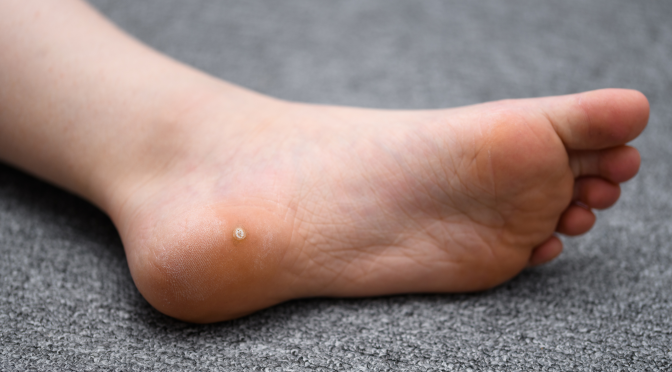
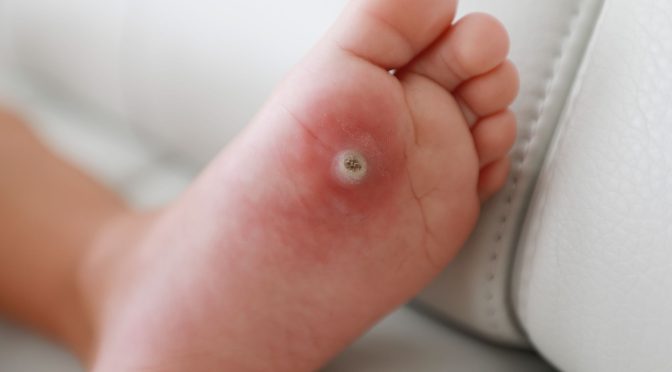
Plantar warts are warts on the feet that form due to a skin infection from HPV. They’re rough, callus-like growths that are often discolored and have small brown or black specks. They usually form on the soles of the feet, including on or between the toes, on the heels, or on the balls of the feet. Unfortunately, plantar warts are fairly common, though certain demographics are more likely to develop them. These demographics include children and teenagers, those with a weakened immune system or autoimmune disease, and people over the age of 65. While plantar warts themselves are benign and don’t pose health risks, they still come with uncomfortable symptoms.

Causes

Human Papillomavirus (HPV) is the cause of plantar warts. When there’s a cut or break in the skin on the foot, the virus enters, leading to a skin infection. This skin infection leads to the growth of plantar warts, which appear to be surface-level, but they actually go deep down into the skin. Plantar warts are highly contagious, spreading from direct contact with another person or a surface that has been exposed to HPV. 

Symptoms

Along with pain and discomfort, plantar warts can bleed and lead to a host of other issues. Plantar warts cause a sharp, burning pain when bearing weight. To avoid some of this pain, people often adjust the way they stand, walk or run. When you change your body’s natural mechanics, it can cause misalignment and result in stress on the feet and ankles. This increased stress on the muscles, tissues and joints can result in other foot and ankle problems over time.

Prevention

Protecting your health often means prioritizing prevention. Since plantar warts are spread by direct contact, preventing them can be fairly simple. Practice regular foot care, keep your feet clean and dry, and avoid sharing shoes, socks or towels with other people. HPV thrives in warm, damp environments. Public places with a lot of moisture, like gyms, pools, saunas and steam rooms, can be a breeding ground for HPV. When spending time in these places, avoid walking around barefoot. Wearing a pair of shoes or sandals can protect you from coming into contact with HPV in public places and, therefore, reduce your risk of developing plantar warts.

Treatment and Removal

Plantar warts can go away on their own, but this doesn’t happen often—and when it does, it can take longer than a year. If plantar warts are causing intense pain or discomfort, waiting can be unrealistic. For some, plantar warts even go away and come back. Most treatments involve topical medicines and other conservative options. In some cases, when other treatments fail to help, a foot and ankle specialist may recommend immunotherapy or laser cautery treatment.

If you’ve been dealing with plantar warts and nothing seems to be helping, it’s time to reach out to a medical professional. The Irving foot and ankle specialists at North Texas Foot & Ankle will work with you to develop the most effective treatment plan to get you back on your feet. Call our office (214) 574-9255 or contact us online to schedule an appointment.

5 Tips for Finding the Right Back-to-School Shoes for Your Child

Children spend upwards of six hours at school each day. Sometimes, this number is higher if they attend extended day programs or participate in extracurricular activities. With so much of their time spent in their school shoes, it’s important to find proper footwear that will keep them supported and comfortable throughout the day. Improperly fitting shoes can cause a variety of foot and ankle conditions in children, including blisters, ingrown toenails, flat feet and other alignment issues. Here are some tips for finding the right back-to-school shoes for your child:

Don’t Opt for Hand-Me-Downs

Although it’s tempting to pass down your older child’s shoes to your younger child, especially since back-to-school shopping can become expensive rather quickly, you should avoid hand-me-down footwear. Shoes that are worn out lose their supportive capabilities. Additionally, every child’s foot has a different anatomy. Shoes that have been worn by someone else will eventually mold to the contours of their foot, meaning that another person’s foot won’t fit properly or comfortably. This can have adverse effects on your child’s foot health. Avoid hand-me-down shoes, and always opt for a new pair of back-to-school shoes for your child.

Prioritize Proper Fit

It’s common for parents to believe that their child’s new shoes will break in and feel more comfortable after a couple of days. However, properly fitting shoes don’t need to be broken in. It’s important to prioritize shoes with the proper fit. If they’re painful, uncomfortable or too tight, then they’re not the right fit. 

On the other hand, some parents are tempted to buy shoes that are slightly bigger to “leave room to grow.” Avoiding shoes that are too big is equally as important as avoiding shoes that are too tight. If there’s a lot of space in the shoes for your child’s feet to shift, then they’re too big and can lead to long-term foot problems. There should be approximately one to one and a half centimeters (or a thumb’s width) between your child’s longest toe and the front of the shoe.

Ensure They’re Supportive

Even if you find shoes that have the correct fit, this doesn’t automatically mean they’re supportive. When shopping for back-to-school shoes for your child, look for a supportive style with a cushioned insole and arch support. For children, lightweight, flexible options are beneficial. Your child should be able to move and bend their feet naturally without restriction. Avoid shoes that are stiff, heavy or offer little arch support or cushioning. It’s also important to ensure the shoes have enough room for their toes to sit comfortably without being squeezed, so avoid shoes that are too narrow. Supportive shoes help improve mobility, maintain proper body mechanics and reduce injuries.

Choose Activity-Appropriate Shoes

Beyond walking across campus to different classes, take your child’s after-school activities into account when shopping for school shoes. If they’re in athletic programs, choose footwear that supports the demands of their sport. Choose sport-specific or hybrid athletic sneakers. Not only do activity-appropriate shoes enhance their performance, but they also help protect your child from sustaining injuries.  

Opt for Durable, Breathable Materials

Children wear their school shoes for long periods. From the classroom to the P.E. field, your child’s shoes should be made from materials that are durable enough to withstand heavy wear and tear. The materials should also be lightweight and breathable, as this can help reduce the risk of fungal infections and manage odors from sweat. Some materials also offer water resistance in addition to durability and breathability.

Ensuring your child has the proper shoes to wear to school is vital to helping them maintain healthy feet. While some parents wait until their child experiences a foot or ankle problem to take them to a specialist, preventative care is more effective. The North Texas podiatrists at North Texas Foot & Ankle specialize in all foot and ankle conditions, as well as provide preventative care to patients of all ages. Our office has a warm atmosphere with a friendly team ready to welcome your family. Call us at (214) 574-9255 or visit our website to schedule an appointment!

A Guide to Understanding the Difference Between Bunions and Hammertoes

Bunions and hammertoes are types of deformities that occur in the feet and can lead to discomfort and many other problems. Both are progressive conditions that can worsen over time without proper treatment. While these conditions share many similarities, they also have a few differences, and it’s important to understand both when dealing with bunions or hammertoes. Read on to learn about these conditions and the treatment options available, including when surgery may be needed.

What are Bunions?

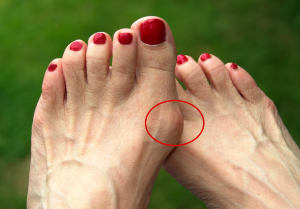
A bunion is a foot deformity that happens when the big toe shifts toward the smaller toes, causing the joint at the base of the toe to stick out. It’s generally described as a bony bump at the base of the big toe. Excess pressure on the big toe pushes it out of alignment, causing it to point inward. The same thing can happen to your pinky toe. This is called a tailor’s bunion or a bunionette. Both bunions and bunionettes are caused by excess pressure. Other types of bunions include:

  • Congenital bunions: Bunions present at birth due to various genetic factors.
  • Adolescent bunions: Bunions that develop during an individual’s teenage years.

What are Hammertoes?

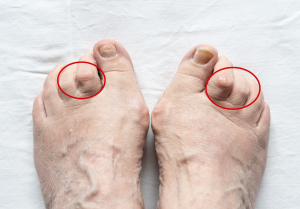
Hammertoe is a foot deformity that causes your toes to bend at the second joint, often getting stuck in a curled position. Hammertoe usually occurs in your smaller toes, most often the second, third and fourth toes. This condition causes the affected toes to be bent all the time, making it difficult and even impossible to flatten. Similar to bunions, hammertoes are caused by excess pressure that pushes the toe out of alignment. There are two main types of hammertoes:

  • Flexible: Early stage of hammertoe where the toe can be moved at the joint.
  • Rigid: Progressed stage of hammertoe where the tendons and ligaments have tightened, forcing the toe to become stuck in place.

Causes

Although these two conditions affect the foot differently, they have similar causes. Both can be caused by genetic factors or abnormal bone conditions. Various health conditions that cause inflammation or affect the feet, like diabetes or rheumatoid arthritis, increase an individual’s risk of developing these deformities. 

Bunions and hammertoes are most often caused by excess pressure on the feet, usually from wearing tight or ill-fitting shoes. If you have high arches, flat feet or longer toes, you’re more likely to develop hammertoes, since you may struggle to find shoes that fit properly. It’s common for people who stand for long periods or work on their feet to develop bunions, due to increased pressure on the foot. Bunions can even be a cause of hammertoes, but hammertoes can’t be a cause of bunions.

Symptoms

Like the causes of bunions and hammertoes, the symptoms are similar. They can both make it painful to walk or affect your ability to balance. The main difference is that with bunions, you may experience numbness or develop hammertoes. Here are the common symptoms of bunions and hammertoes:

  • Pain or swelling
  • Stiffness or inability to move the affected toe
  • Corns or calluses
  • Discoloration or redness
  • Discomfort wearing certain shoes

Prevention

For both bunions and hammertoes, the main form of prevention is wearing comfortable, properly-fitting footwear. Avoid wearing shoes that are too tight or narrow, as this puts pressure on the toes and causes them to shift out of alignment. When you’re shopping for shoes, try on various sizes and do a test walk to ensure the proper fit. Maintain a healthy weight to prevent excess stress on the feet, and always practice healthy habits that keep your feet in good shape, like stretching exercises to increase strength and massages to release tension.

Treatments

Conservative treatments are often used to relieve some of the symptoms of bunions and hammertoes. These include:

  • Wearing properly-fitting footwear
  • Doing toe exercises or foot stretches
  • Using orthotics, pads or taping to keep your feet and toes in the proper position and relieve pressure
  • Taking over-the-counter pain relievers (NSAIDs) to help manage pain and reduce swelling
  • Icing the affected toes to reduce swelling

In more severe stages of bunions and hammertoes, when conservative treatments fail to provide relief, surgery may be recommended. There are several types of bunion surgeries, and the one that’s right for you will depend on the stage of the condition and the symptoms you’re experiencing. The same is true for hammertoes. If you’re dealing with either condition and conservative treatments are no longer helping, reach out to a podiatrist to learn about your treatment options.

The Irving podiatrists at North Texas Foot and Ankle specialize in all foot and ankle conditions, including bunions and hammertoes. Based on your symptoms, we will develop a treatment plan tailored to you. We will determine whether you need nonsurgical or surgical treatment, and we will support you every step of the way. If either of these conditions is impacting your daily life or bringing you discomfort, reach out to our team by calling us at (214) 574-9255 or contacting us online.

Tips for Preventing and Treating Ingrown Toenails

Most people have experienced an ingrown toenail once or twice in their lives. While it may be an isolated incident for some, for others, it can be a persistent problem lasting over the course of many years. Although it’s not considered a serious condition and is generally easy to treat, it can still be extremely uncomfortable. Here are tips for preventing and treating ingrown toenails:

What are Ingrown Toenails?

Ingrown toenails happen when the corner of your toenail grows into your skin. When the nail borders curve into the skin, it causes pain, redness and inflammation around the toe. While any toes can have an ingrown toenail, it most commonly occurs in the big toe. Generally, there aren’t serious complications that arise with ingrown toenails, but they can become infected, causing them to be even more painful. In extremely rare cases, the infection can spread beyond the toenail and affect the rest of your toe and even the bone.

What are the Symptoms?

The most obvious sign of ingrown toenails is the curved-inward appearance. The edges of the toenail may be hard or impossible to see since they’ve grown into your skin. Redness is usually the first indication of an ingrown toenail, and the corner where the nail is growing into your skin may be hard. Ingrown toenails are uncomfortable on their own, but can be extremely painful if they become infected. Signs of infection include swelling, pus, oozing, blood and feeling warm to the touch.

What are the Causes?

There are several causes of ingrown toenails. The most common is improperly trimming them. When you cut them too short or round off the edges, this can cause the nail to grow back into your skin. Other factors also contribute, including:

  • Tight shoes and socks
  • Trauma or injury to the toe
  • Repeated physical activity and pressure on the toe
  • Nail infections or other foot conditions
  • Excess moisture or sweat

Who is at a Higher Risk?

While anyone can get an ingrown toenail, as it’s a fairly common condition, there are certain groups who are more susceptible. Adolescents often experience rapid nail growth, putting them at higher risk, and athletes or those who are active in sports that cause repeated pressure on the toe, like running or kicking, are also more likely to develop them. 

People with certain medical conditions like diabetes, poor circulation, damaged nerves in the leg or foot, or nail infections are all at a higher risk for ingrown toenails. Generally, groups with these medical conditions are encouraged to seek professional treatment from a podiatrist if they have ingrown toenails because they’re also at a higher risk for infections.

How Do You Prevent Ingrown Toenails?

Although ingrown toenails are a common condition, that doesn’t mean they’re unavoidable. There are plenty of proactive steps you can take to prevent them. The first (and most important) is to properly trim your toenails by cutting straight across and not rounding the corners. In the same respect, you should never cut a notch, tear or rip your toenails. If you have a hangnail, grab a pair of clean trimmers to clip it off—never tear. Make sure your shoes fit properly and aren’t too tight, causing pressure on your toes, or too loose, causing your feet to slide back and forth and your toes to experience repeated impact. Don’t wear sweaty or wet shoes and socks for long periods, as this softens the skin around your toes, and avoid activities that cause trauma or pressure on the toes.

Home Remedies

For the most part, ingrown toenails can be cared for at home. Understand that home remedies for ingrown toenails are meant to ease the discomfort and manage the infection, not to remove them yourself. You should never attempt to remove an ingrown toenail at home, as this can worsen the condition or the infection. Instead, focus on treatments that will alleviate the pain, such as:

  • Soaking your feet in warm water with Epsom salt.
  • Gently massaging the side of your nail to reduce swelling.
  • Using antibiotic ointment and a bandage to keep it clean.
  • Wearing open-toed footwear.
  • Taking over-the-counter pain medicine.

Although you may see home remedies that suggest placing a small piece of cotton or using dental floss to lift the toenail and encourage it to grow away from the skin, these remedies are ineffective. This doesn’t alleviate the pain and, instead, can cause more bacteria to grow.

Medical Treatments

Ingrown toenails can usually be treated without surgical intervention. A podiatrist will safely trim the ingrown part of the nail and push the skin away from the nail edge. Many people attempt this at home, but it’s not recommended. Podiatrists have the right tools and sterilization techniques to do this safely without worsening the condition or causing the infection to spread.

Sometimes ingrown toenails may require a small in-office procedure. If conservative treatments aren’t working, the nail is chronically ingrown, or if the infection is severe or recurring, a minor procedure is usually recommended. A partial nail avulsion or complete nail avulsion, where part or all of the toenail is removed, is the procedure used to eliminate ingrown toenails. In some cases, after the ingrown portion is removed, the procedure is followed by an ablation, where the nail-growing tissue is destroyed to prevent the nail from growing back into the skin.

Although preventable, ingrown toenails are very common and can happen to anyone. If you’re dealing with a stubborn ingrown toenail, especially if it’s infected, the Irving podiatrists at North Texas Foot & Ankle are here to help. Schedule an appointment today by calling us at (214) 574-9255 or contacting us online.

Essential Wound Care for Diabetic Foot Ulcers and Venous Leg Ulcers

Beyond being painful sores, diabetic foot ulcers and venous leg ulcers are serious health concerns that, if not properly managed, can lead to complications, including infection, hospitalization and, in more severe cases, amputation. Fortunately, there are effective strategies for managing these wounds and promoting healing. Read on to learn more about these wounds and what essential wound care looks like.

Understanding the Causes and Risks

Diabetic foot ulcers form due to poor circulation, foot deformities, neuropathy and other factors affecting the immune system. Venous leg ulcers result from poor circulation and venous insufficiency, meaning that veins struggle to return blood from the legs back to the heart, causing blood to pool in the lower body and increased pressure in the veins. Both types of ulcers carry risks of infection, delayed healing and more serious complications. Early intervention and consistent wound care can help you avoid these risks.

Importance of Proper Wound Assessment

If you’re diabetic, regularly checking for wounds is essential. Neuropathy causes you to lose sensation in the feet, making ulcers and other wounds undetectable unless you actively check for them. If you have a diabetic foot ulcer or a venous leg ulcer, you should regularly assess your wound for signs of infection, like increased redness or swelling. If healing slows or signs of infection appear, seeking medical attention is crucial to prevent the condition from worsening.

Cleaning and Dressing the Wound

For either type of ulcer, keeping the wound clean and properly dressed is essential. Use saline or antibacterial topical medication recommended by your foot and ankle specialist to clean the wound. Although it was once commonly believed that you should let wounds “air out,” this isn’t the case here. Keeping a moist wound environment promotes healing and lowers the risk of infection. Based on your individual needs, your doctor will recommend a dressing to cover the wound that will keep it moist and absorb excess fluid. Change dressings regularly as directed by your doctor to keep the wound clean and protected from bacteria.

Managing Underlying Conditions

For both types of wounds, managing the underlying conditions is key to promoting healing. It’s critical for people with diabetes to maintain stable glucose levels. High blood sugar can impair the body’s natural healing processes and weaken the immune system, making it more difficult to heal and fight off infections. Consistently elevated glucose levels can also damage blood vessels and nerves, reducing circulation and sensation in the feet (neuropathy), which further increases the risk of complications. 

In the case of venous leg ulcers, controlling swelling and venous insufficiency is essential because the pooling of blood in the lower extremities increases pressure in the veins. This causes further damage to the skin and surrounding tissues. Reducing swelling and pressure with treatments like compression therapy can help wounds heal more effectively.

Offloading and Relieving Pressure

Proper wound care for diabetic foot ulcers also involves reducing pressure on the foot. Offloading devices like specialized footwear and casts can help redistribute weight away from the ulcer, limiting the pressure. Your doctor may instruct you to be non-weight bearing depending on the severity of your wound, which often means bed rest or wheelchair use. 

Promoting Circulation

Improving blood flow is an essential piece of the wound care puzzle for venous leg ulcers. The pressure that builds up from excess fluid and blood pooling makes it more difficult for the ulcer to heal. To avoid this, elevate your leg for short periods throughout the day to reduce swelling. Engage in gentle movement to encourage circulation, and avoid standing or sitting in one position for a long time.

Recognizing Signs of Infection

When caring for these wounds, stay on the lookout for signs of infection, including:

  • Increased redness or swelling
  • Warmth
  • Drainage
  • Foul odor
  • Pain

If you notice any of these symptoms, you should seek medical help. Attempting to treat infections yourself without the guidance of a foot and ankle specialist may worsen the condition. Professional medical care ensures appropriate treatment and helps prevent the spread of infection.

When to Seek Help From a Foot and Ankle Specialist

If your wound isn’t improving or is showing signs of infection, it’s time to consult a foot and ankle specialist for help. Diabetic foot ulcers and venous leg ulcers can worsen without appropriate treatment, especially when complicated by underlying chronic conditions. When these wounds worsen, the health risks can be severe. Foot and ankle specialists will make treatment recommendations based on your individual needs. Sometimes, this may include surgical procedures, like debridement, to remove the dead tissue, reduce infection and promote healing.

Wound care for diabetic foot ulcers and venous leg ulcers involves a lot of special attention and proactive steps. By following proper wound care practices, monitoring for infections and working with a foot and ankle specialist, you can heal more effectively and reduce the risk of complications. North Texas Foot & Ankle provides specialized wound care for diabetic foot ulcers, venous leg ulcers and more. If you discover a wound, reach out to our team by giving us a call at (214) 574-9255 or contacting us online.

Ankle Locking Explained: What You Need to Know About Osteochondral Lesions

If you’ve noticed that your ankle locks frequently when you walk, especially after an ankle sprain or impact injury, you could be dealing with an osteochondral lesion. These injuries affect the cartilage that covers the talus bone, which is called the talar dome, and the talus bone itself, a key component of the ankle joint. If left untreated, osteochondral lesions can lead to pain, stiffness and instability in the foot and ankle. Read on to learn everything you need to know about these lesions.

What is an Osteochondral Lesion?

An osteochondral lesion is damage or injury to the cartilage and underlying talus bone within the ankle joint. This damage is often the result of a traumatic injury or a chronic condition that causes repeated stress over time. The word “lesion” is a general term that can describe a variety of types of damage, including:

  • Cartilage softening or tearing, which happens when the cartilage becomes worn or detached.
  • Bone bruising or microfractures, which occur when the bone beneath the cartilage is bruised or has tiny fractures.
  • Loose fragments, which are pieces of cartilage or bone that detach from the talus bone and may stay in place or float within the ankle joint.
  • Cyst formation, although it’s fairly uncommon, can happen in some cases when fluid from the joint accumulates and forms cysts beneath the cartilage.

Common Symptoms

Symptoms of osteochondral lesions can vary depending on the extent of the damage, but most patients experience intense ankle pain, especially when bearing weight. You may also feel a locking sensation during movement, which is often accompanied by swelling, stiffness and instability. You may also hear or feel clicking or popping while moving the ankle. Many patients say that it feels like the ankle isn’t moving smoothly or is “catching.” Although this isn’t always the case, the ankle may also be tender to the touch.

How it’s Diagnosed

Typically, diagnosing an osteochondral lesion involves a physical examination and imaging tests. First, a podiatrist will review your symptoms and then perform an examination on your ankle, assessing range of motion, stability and tenderness. Imaging tests like X-rays, MRIs and CT scans are often used to confirm the diagnosis and reveal the extent of the damage to the cartilage and talus bone. These scans also help your podiatrist determine the best treatment course.

Non-Surgical Treatment Options

The right treatment for osteochondral lesions depends on multiple factors, including the severity of the injury, the patient’s age and activity level, and the patient’s overall health. In cases where the lesion is less severe or the patient is younger, usually before adulthood, non-surgical treatments may be an option. These treatments include rest, immobilization, anti-inflammatory medications and wearing a brace. More often than not, your podiatrist will recommend activity modifications, like avoiding weight-bearing activities, to reduce stress on the joints and allow healing to take place. Your podiatrist may also recommend physical therapy to help restore range of motion and strength in the ankle. 

Surgical Treatment Options

If the lesion is more severe or unstable, surgery is often required. One of the most common procedures used to treat osteochondral lesions of the talar dome is arthroscopic debridement. During this procedure, the damaged cartilage and loose fragments are removed from the joint. Other procedures to treat osteochondral lesions involve the grafting of cartilage and bone or the fixation of the fragments using small surgical screws or pins. Recovery times vary from patient to patient, but it can take several weeks or months to fully heal, and this is when rest, bracing and physical therapy become essential.

When to See a Foot and Ankle Specialist

If you’re experiencing ankle pain, swelling or locking that doesn’t improve with rest, especially after an injury or prolonged stress to the ankle joint, then it’s time to see a podiatrist. Early diagnosis and treatment are key for preventing further damage, and prompt care may help you avoid more invasive treatments down the line.

Osteochondral lesions are a common yet often overlooked cause of ankle locking. Whether your symptoms began after a recent injury or have been lingering for some time, the expert foot and ankle specialists in Irving at North Texas Foot & Ankle are here to provide an accurate diagnosis and effective treatment plan. We support you every step of the way through non-surgical and surgical treatment options to help you get back on your feet. Schedule an appointment with our dedicated team today!

Types of Foot Fungus and How to Prevent Them

Foot fungus is a common condition that can cause discomfort, irritation and, in some cases, persistent infections if not properly cared for. There are two main types of foot fungus: athlete’s foot and toenail fungus. While both are caused by fungal organisms, generally dermophytes, that thrive in warm, moist environments, they affect different areas of the foot and appear in different ways. Understanding the symptoms, causes and proactive steps to take can help you protect your feet from foot fungus. Read on to learn more about these types of foot fungus and how to prevent them.

Athlete’s Foot (Tinea Pedis)

Perhaps the most well-known type of foot fungus is athlete’s foot (tinea pedis). It gets its name from the significant number of athletes who, because they spend a lot of time in sweaty sneakers and shared spaces like locker rooms and showers, have had tinea pedis. Athlete’s foot is highly contagious and often contracted when people walk barefoot in communal spaces that are warm and damp. While some people experience mild itching and redness, others may experience cracked, peeling skin or painful blisters. There are several ways athlete’s foot can present:

  • Toe web: Moisture and warmth are often very high between the toes. For this reason, toe web infection is the most common type of athlete’s foot. It appears between the toes as a peeling rash that may cause an itching or burning sensation.
  • Moccasin: When athlete’s foot affects the soles and sides of the feet, it’s called a moccasin-type infection. It gets its name because the skin becomes thick, and sometimes cracked, around the bottom and sides of the feet, resembling a moccasin shoe.
  • Vesicular: This less common form of athlete’s foot causes sudden outbreaks of fluid-filled blisters. These blisters are typically on the soles of the feet, but can be found elsewhere, like in between the toes, and may be accompanied by itching, irritation or pain. 

Toenail Fungus (Onychomycosis)

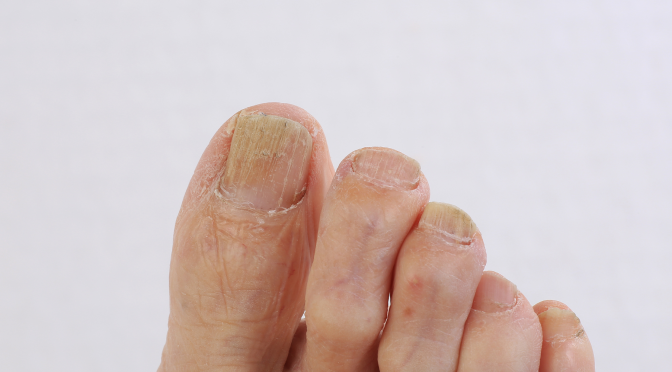
Toenail fungus, or onychomycosis, is a slow-developing infection that most commonly affects the big toe. It often begins as a small white or yellow spot beneath the nail and gradually grows to cover more of the nail bed. Eventually, it can lead to discoloration, thickening or brittleness of the nail, or even cause nail separation. Because it starts small and develops slowly, it often goes unnoticed until it’s a more serious issue. 

While toenail fungus can occur on its own, it frequently occurs alongside athlete’s foot. It typically takes hold in moist conditions, like in sweaty shoes or socks, or after a nail injury. Toenail fungus is extremely persistent and notoriously difficult to treat, so it usually requires professional help to fully eliminate the infection.

Causes and Risk Factors

Foot fungus thrives in environments that are warm and moist, making sweaty shoes and socks the perfect breeding ground. Wearing shoes that are too tight or not breathable, not properly drying your feet, or walking barefoot in communal spaces, like gyms, showers and pool areas, are all risk factors for foot fungus. Sharing socks, shoes or nail tools can also increase your risk. Additionally, individuals with circulation issues, diabetes or weakened immune systems are more susceptible to foot fungal infections and should take extra precautions to prevent them.

Prevention Tips

Preventing foot fungus starts with good foot hygiene. Start by washing your feet daily and drying them thoroughly, especially between the toes. Keep toenails well-manicured, and never share nail tools. Choose breathable socks, like ones made from cotton or wool instead of nylon, and shoes. Avoid wearing shoes and socks for long periods of time, especially if they’re damp or tight-fitting. If you’re spending time in communal showers, locker rooms or pool areas, always wear sandals to protect your feet from coming into contact with fungal organisms. You can also use antifungal powders and sprays for further protection.

When to See a Podiatrist

If you have a foot fungal infection and over-the-counter treatments aren’t working or it’s spreading, becoming more painful or interfering with your daily life, it’s time to see a podiatrist. A podiatrist can confirm the diagnosis and recommend an effective course of treatment to help clear the infection, which may include prescription-strength antifungal medications like oral pills or topical creams. In more severe cases, a podiatrist may recommend more serious treatments, like laser therapy or debridement.

Foot fungus may be common, but with the right knowledge and preventative steps, it can be avoided. If you’re dealing with persistent athlete’s foot, a stubborn toenail fungus or simply want to maintain healthy feet, the team at North Texas Foot & Ankle is here to help. Take the first step toward healthier feet and contact us today to book an appointment!