Staying Safe on the Court: Preventing Common Pickleball Foot and Ankle Injuries

Pickleball has quickly become one of the most popular sports. It’s generally considered a low-impact, beginner-friendly sport that combines elements of tennis, badminton and ping pong. While it’s widely enjoyed for its health benefits and social aspect, as more players take to the court, foot and ankle injuries have become increasingly common, especially among middle-aged and older adults.

From quick lateral movements to sudden stops and pivots, the physical demands of pickleball can put significant stress on the lower body. Understanding the most common foot and ankle injuries and how to prevent them can help players stay active and safe. Read on to learn more.

Plantar Fasciitis

Pickleball involves frequent stop-and-go movements, which can place excessive pressure on the plantar fascia, a thick band of tissue along the bottom of the foot. The repetitive pushing off and sudden direction changes can lead to inflammation, resulting in sharp heel pain. This pain is especially prevalent during the first steps in the morning or after resting for long periods of time. Players who wear unsupportive shoes or play on hard courts, like concrete or asphalt, may be at a higher risk of developing plantar fasciitis.

Achilles Tendonitis

Sometimes, pickleball may require lunging movements or sprinting toward the net. These movements can put significant stress on the Achilles tendon. Over time, this repetitive strain can lead to Achilles tendonitis, which causes pain and stiffness along the back of the heel. Without proper stretching and conditioning, the Achilles tendon can weaken, increasing the risk of more serious injuries like a tendon rupture.

Ankle Sprains

When players have to make quick lateral movements, sudden pivots or abrupt stops, their risk for rolling an ankle increases. When the foot turns too far inward or outward, the ligaments in the ankle can overstretch or tear, resulting in swelling, bruising and difficulty bearing weight. Playing on uneven surfaces, wearing improper footwear or playing with fatigued muscles can contribute to the risk of an ankle sprain.

Stress Fractures

Repeated impact due to activities like running or jumping can lead to stress fractures, which are tiny cracks in the bones of the feet. Players who play frequently without proper rest are at a higher risk, as the constant pounding on the court can weaken the bones over time. Stress fractures often develop gradually, starting as mild pain that worsens with continued activity. Pickleball players who play frequently or for long periods, wear inadequate footwear or have poor body mechanics are more vulnerable to stress fractures.

Prevention Tips

The best way to stay injury-free on the pickleball court is to prepare your body for the sport. A proper warm-up routine includes ankle circles, calf stretches, toe taps and light cardio to loosen the muscles and increase flexibility. Strengthening the muscles in the lower body with targeted exercises can also reduce the risk of overuse injuries. Here are a few more ways pickleball players can prevent foot and ankle injuries:

  • Choose the right footwear: Court-appropriate footwear with good arch support and cushioning provides structure and shock absorption. Orthotics can provide an extra layer of support, relieving pressure off of the heel and plantar fascia.
  • Modify your playing style: If pain develops in the feet and ankles, adjust your footwork and playing style to avoid excessive strain on tender areas.
  • Listen to your body: Overuse injuries are common in pickleball, making it important to take breaks and rest between games to prevent long-term damage. Always listen to your body and avoid pushing yourself too hard.
  • Manage pain effectively: Ice, elevation and anti-inflammatory medications can help with minor aches and swelling.

Nothing takes the fun out of the game quite like a foot or ankle injury. Pickleball is an excellent way to stay active and healthy, but it’s important to stay proactive and take preventative measures to avoid sustaining injuries. If you’re experiencing foot or ankle pain despite your best efforts, addressing it before it worsens is key. Whether you need custom orthotics, physical therapy or advanced treatment options, the team at North Texas Foot & Ankle is here to provide expert support. Schedule an appointment online today!
Achilles Heel Spur Removal: What You Need to Know

Achilles heel spurs can be painful and frustrating, often developing due to prolonged stress on the heel bone and the surrounding tissues. While many people can manage their symptoms with non-surgical treatments, some cases require surgical removal to alleviate pain. Understanding when surgery is necessary and what to expect from the procedure can help you make informed decisions about your foot health. Here’s what you need to know about Achilles heel spur removal:

What is an Achilles heel spur?

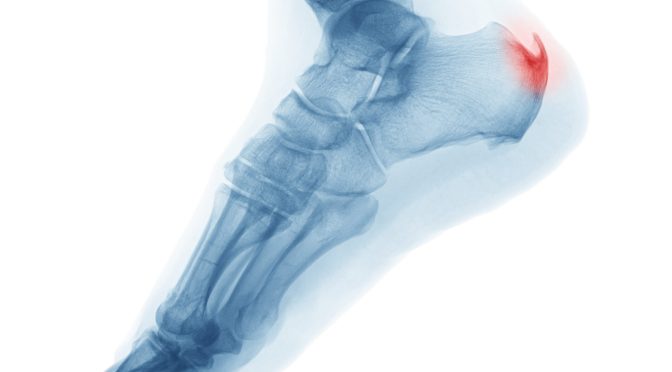
An Achilles heel spur is a bony growth that develops on the back of the foot where the Achilles tendon attaches to the heel bone. Excessive stress and strain on the heel bone and the surrounding tissues, including the Achilles tendon and the plantar fascia, are the primary causes of Achilles heel spurs. The inflammation of these tissues causes the foot to react by creating extra bone tissue, which, over time, become heel spurs.

Many people don’t realize they have heel spurs until they begin experiencing discomfort, which is often compared to plantar fasciitis pain. It is also commonly believed that plantar fasciitis and Achilles tendinopathy are caused by heel spurs when it’s actually the opposite—heel spurs form in response to the swelling and degeneration of the Achilles tendon or the plantar fascia.

When is it necessary to remove an Achilles heel spur?

While Achilles heel spur removal is often a last resort, there are certain cases where it may be necessary. Generally, a podiatrist will recommend conservative treatments to treat the underlying issue, which is typically plantar fasciitis or Achilles tendinopathy. If conservative treatments like physical therapy, anti-inflammatory medications or accommodative footwear and orthotics don’t provide relief, your podiatrist may recommend surgical heel spur removal. This is especially true in cases where the heel spur is causing increased irritation on the Achilles tendon.

What are the benefits of the surgery?

The primary benefit of this procedure is reducing pain caused by the heel spur. After a heel spur is removed, normal function can be restored to the foot, making daily activities like standing, walking and running less painful. In some cases, a heel spur may be removed in addition to repairing any Achilles tendon or surrounding tissue damage, addressing both the underlying issue and the heel spur itself.

What happens during the surgery?

During Achilles heel spur removal, the surgeon carefully removes the heel spur by either shaving it down or cutting it away to relieve pressure on the surrounding tissues. Any damaged or inflamed tissue near the Achilles tendon is also repaired or removed to promote healing and reduce irritation. If the tendon is partially or fully detached, it is reattached to the heel bone using sutures or bone anchors. Once all necessary adjustments are made and all issues are addressed, the incision is stitched closed and the foot is bandaged to support the healing process.

How long does it take to recover?

While recovery times for Achilles heel spur removal surgery differ for everyone, you can expect to be resting and non-weight bearing for the first 4-6 weeks. After the first few weeks, sutures are removed and gradual weight-bearing is introduced along with physical therapy to restore flexibility and strength. Between 3 and 6 months, most patients gain full mobility and can return to normal activities. Keep in mind that it may take longer to return to high-impact activities like running. 

When might surgery be the right option for you?

Achilles heel spur removal may be the right option for you if you’ve been experiencing consistent heel pain that hasn’t improved after 6-12 months of conservative treatments. If the heel spur is causing significant discomfort, hindering your mobility or contributing to inflammation of the Achilles tendon and surrounding tissues, your podiatrist may recommend surgery. Consulting with your podiatrist can help you determine the best course of action based on your symptoms, lifestyle and overall foot health.

If chronic heel pain is affecting your daily life and non-surgical treatments haven’t provided relief, Achilles heel spur removal may be an option for you. A podiatrist from North Texas Foot & Ankle can evaluate your condition and determine if surgery is the best course of action. Call us at (214) 574-9255 or schedule an appointment online for a consultation and take the next step toward better foot health.

A Guide to Understanding the Kidner Procedure

No one wants to experience chronic pain. Foot pain is especially difficult since it affects your daily activities. Accessory navicular syndrome, a common condition caused by an underlying structural issue, can lead to ongoing discomfort and irritation, particularly during physical activity. While some find relief with more conservative treatments, others may require surgical intervention. The Kidner procedure is a surgery that can help eliminate pain and improve foot function. Here’s everything you need to know about this procedure:

Who is the Kidner Procedure for?

The Kidner procedure is recommended for individuals experiencing chronic pain and inflammation due to accessory navicular syndrome. This is when you have an extra bone near the arch of your foot (near your navicular bone) that may rub against the posterior tibial tendon. People with this issue often see a bump on the inner side of their foot and experience discomfort, including swelling, persistent pain, or difficulty wearing certain shoes due to irritation. When treatments like anti-inflammatory medication, custom orthotics and physical therapy don’t provide relief, the Kidner procedure could be a good option.

What happens during the procedure?

During the Kidner procedure, the accessory navicular bone is carefully removed to eliminate pressure and irritation. In some cases, the posterior tibial tendon may be repositioned to improve strength and function. The important thing to note is that the accessory navicular bone is a very small bone that’s considered extra or unnecessary, and removal does not negatively impact the function of the foot.

What are the benefits of the procedure?

The Kidner procedure offers lasting relief for those struggling with persistent foot pain caused by the accessory navicular bone. By removing this small bone, the source of irritation is eliminated, making walking and other daily activities more comfortable. Many patients experience improved mobility and stability, which allows them to return to an active lifestyle without the pain that once held them back.

What does the recovery process look like?

The recovery process looks different for each patient, but often a cast, walking boot or crutches are necessary for several weeks after the procedure to protect the foot as it heals. Weight-bearing activities may be limited in the beginning. Once the foot has healed enough, physical therapy helps restore strength, flexibility and balance. Six to eight weeks is generally the timeline for recovery, but it may take two or more months to fully return to normal activities.

How do I know if I may need the Kidner Procedure?

If you have persistent pain near the inner arch of your foot that hasn’t improved with non-surgical treatments, you may be a candidate for the Kidner procedure. Symptoms like inflammation, tenderness and difficulty walking are signs that the accessory navicular syndrome is interfering with your daily activities. Consult your podiatrist to properly evaluate your condition and determine whether the Kidner procedure is a good option for you.

Living with consistent foot pain doesn’t have to be your reality. The team at North Texas Foot & Ankle is dedicated to providing expert, compassionate care to our patients, helping you maintain healthy feet every step of the way. If you’re experiencing persistent foot pain, call us at (214) 574-9255 or contact us online to schedule a consultation to explore your treatment options.

Managing Arthritis in Your Feet: Tips for Reducing Pain and Improving Mobility

Arthritis in the feet and ankles can make even the simplest activities, like walking and standing, difficult and painful. Stiffness, swelling and discomfort can impact daily life. Fortunately, there are ways to manage symptoms and improve mobility. Here’s what you need to know about foot arthritis and how to alleviate discomfort:

Understanding Arthritis in the Feet

Foot arthritis happens when inflammation and swelling of the cartilage and lining of the joints lead to pain and stiffness. The most common type of arthritis affecting the feet is osteoarthritis, which results from the cartilage in the joints wearing down over time. Rheumatoid arthritis is an autoimmune condition that attacks the joints and also commonly affects the feet. You can also develop a version of arthritis after a foot injury. Signs of arthritis in the feet include swelling, tenderness, mobility challenges and pain that is exacerbated with activity.

Wear Supportive Footwear

Although arthritis in the feet is considered a long-term condition, there are still ways to ease the discomfort. The right shoes can make a significant difference in managing arthritis pain. Supportive footwear with proper arch support, cushioning and wide soles helps reduce pressure placed on the joints. Avoid high heels and flat shoes with little or no arch support, including sandals or flat dress shoes.

Explore Inserts and Custom Orthotics

Custom orthotics and shoe inserts can provide extra support and cushioning, helping alleviate pressure on arthritic joints. These inserts can improve foot alignment, distribute weight more evenly and reduce pain when walking or standing. Consult your podiatrist to figure out which type of orthotics are best for you based on your specific needs, whether it’s extra arch support, shock absorption or pressure relief for certain points of your feet.

Try Gentle Stretches and Exercises

Keeping the feet and ankles flexible can help reduce stiffness and improve mobility. Simple exercises like toe stretches, ankle circles and resistance band exercises can strengthen the surrounding muscles, providing better joint support. The important thing is to do gentle stretches and mild exercises regularly. Be careful not to overextend, as this can cause further discomfort.

Maintain a Healthy Weight

Excess weight puts added stress on the feet and can worsen arthritis symptoms. Maintaining a healthy weight through a balanced diet and exercise can reduce strain on the joints, which helps improve mobility. Low-impact activities like swimming, cycling and yoga are good options for people with arthritis, as they keep you active without increasing foot pain. Always consult your doctor before changing your exercise regimen.

Use Ice and Heat Therapies

Like any condition where inflammation is a concern, cold compresses like ice packs can help reduce swelling and pain. This is especially true after prolonged activity, including long durations of walking or standing or high-impact activities like running. Heat therapy, including warm soaks or heating pads, helps loosen stiff joints and promotes circulation.

Professional Treatment

When arthritis in the feet becomes severe and non-surgical treatments no longer provide relief, further intervention may be necessary. In this case, a podiatrist may recommend a course of treatments, like medications, injections or surgeries, to alleviate discomfort and manage symptoms. For example, triple arthrodesis is a procedure that fuses three joints in the back of the foot. This eliminates movement in the affected joints, which can provide long-term relief. This is one of the many surgical options available to treat arthritis in the feet. Speak with your podiatrist to figure out which treatment is best for you.

Managing foot arthritis is possible with the right steps. From supportive footwear to medical treatment, there are many ways to find relief and improve mobility. North Texas Foot & Ankle provides expert care to help you manage foot and ankle arthritis, whether through conservative treatments or advanced surgical options like triple arthrodesis. If foot pain from arthritis affects your daily life, schedule an appointment with us today to take the first step toward healthier feet!

Understanding Flat Feet: Causes, Symptoms, and Treatments

Flat feet are a common condition that can affect people of all ages, sometimes leading to discomfort, deformities or alignment issues in the feet and ankles. While some people don’t experience symptoms, others may notice pain, difficulty with certain activities or other issues. Understanding the types and causes of flat feet and the different treatment options can help you manage symptoms and alleviate discomfort. Read on to learn more about flat feet.

What are Flat Feet?

Having flat feet means you have little or no arches in your feet. This can happen in both feet or only one. Some people’s arches never develop from childhood, while some may have collapsed later in life due to a medical condition or other factors. This is important because arches play a vital role in shock absorption, distributing weight and providing flexibility. They also help to minimize stress on the knee and hip joints. Regardless of how flat feet may develop, the condition can cause pain, misalignment and trouble walking. 

Types of Flat Feet

Many podiatrists make a distinction between flexible or mildly flat feet, which generally don’t cause any issues or pain, and rigid flat feet, which can lead to other problems in your feet and ankles. Some issues caused by rigid flat feet include flattened arches, outward pointed heels and rolled-in ankles. Rigid flat feet can also cause the talus bone, a small bone on the inner side of your foot, to stick out. Other types of flat feet include congenital flat foot, which happens from birth into childhood, and acquired flat foot, also known as fallen arches, which happens in adulthood.

Causes

There are many causes of flat feet. Some people may be genetically predisposed to flat feet or have a genetic disorder or defect that affects how their arches form or prevents them from forming altogther. Others may have suffered from a foot or ankle injury that caused damage to the muscles, ligaments or tendons that support the arch. Medical conditions like arthritis and diabetes can lead to swelling, deformities and the breakdown of the supporting ligaments and bones. Other factors, including aging, improper footwear and certain medications, can also lead to flat feet.

Symptoms

Although flat feet don’t always cause symptoms, in many cases, the condition can lead to noticeable issues. Flat feet can alter the way you walk and put excess strain on your lower body. Early warning signs of flat feet include foot pain after walking or running, ankle pain from overpronation, or shin splints. If these issues aren’t addressed, they can lead to structural changes or deformities in the foot and persistent pain. The discomfort can extend beyond the feet and ankles and move up into the lower body, affecting the knees, hips and lower back. Flat feet can also increase the risk of strain injuries, repetitive sprains from ankle instability, and foot and ankle arthritis. 

Treatment

Depending on the severity, there are various ways of treating flat feet. If flat feet cause occasional, mild aches, you can try conservative treatments like over-the-counter pain relievers, orthotic shoe inserts or physical therapy. However, if flat feet cause significant pain or other serious complications, you may need surgery to address the underlying problem. When flat feet are caused by a chronic condition like diabetes or arthritis, it may be more challenging to manage symptoms or correct the issue.

When to Contact a Podiatrist

If flat feet are causing you persistent discomfort, limiting your mobility or leading to issues like frequent ankle sprains or joint pain, it may be time to speak to a podiatrist. A podiatrist can assess the severity of your condition and recommend treatment options, from conservative options like orthotics and physical therapy to more advanced interventions like surgery. Seeking care from a professional can help you prevent further complications and improve your ability to participate in daily activities with less pain.

North Texas Foot & Ankle provides expert podiatric care for a wide range of foot and ankle conditions to help you manage and improve your overall foot health. If flat feet are affecting your quality of life, contact the dedicated team at North Texas Foot & Ankle by giving us a call at (214)-574-9255 or by scheduling an appointment online.

What is the Brostrom Procedure?

Chronic ankle instability can make standing, walking and running feel uncomfortable and unsteady. The Brostrom procedure, also known as lateral ankle ligament reconstruction, is a surgical solution designed to restore strength and stability to the ankle. If you have persistent swelling or discomfort, frequent ankle sprains, or your ankle gives way when you walk or perform other activities, you may want to consider this procedure. Understanding the benefits, process and recovery can help you make an informed decision.

Why might someone need the Brostrom procedure?

Ankle instability often develops after repeated ankle sprains or ligament injuries that fail to heal properly. When the outer ankle ligaments become weak, stretched or loosened, they can no longer provide the support needed to perform various activities, including walking and running. This leads to frequent rolling of the ankle or the ankle giving way, which can result in damage to the other structures of the foot and ankle. The Brostrom procedure is typically performed on individuals who experience ongoing ankle instability, generally after they’ve exhausted other options like physical therapy or wearing ankle braces.

What are the benefits?

The main benefit of the Brostrom procedure is improved ankle stability, which can reduce the risk of future sprains and other injuries. The procedure can also help alleviate pain in the ankle and improve mobility. For athletes and active individuals, this procedure is beneficial for preventing long-term damage by reducing repeated stress on the ankle and by helping them regain the strength required for high-impact activities. Overall, restoring strength in the ligaments through lateral ankle ligament reconstruction allows patients to return to their regular activities with comfort and confidence. 

What happens during the procedure?

During the Brostrom procedure, the lateral ankle ligaments are tightened through a small incision on the outside of the ankle using strong sutures and bands to restore stability. Small fibular anchors may be added for extra support or nearby supportive tissue may be incorporated to strengthen the repair. Once the ligaments are stabilized, the surgeon carefully closes the incision to allow for proper healing.

What does the recovery process look like?

The exact time it takes to recover from the Brostrom procedure varies depending on the severity of damage to the lateral ankle ligaments, the patient’s age and fitness level, and adherence to physical therapy. Although the recovery time and process look different for everyone, there are a few main stages to expect:

  • First few weeks: The first couple of weeks after surgery involve lots of rest. During this time, you will not put any weight on the ankle and may use crutches or wear a cast or boot. In this recovery phase, it’s important to ice the ankle and keep it elevated to reduce swelling.
  • Physical therapy: After the first few weeks of healing, your doctor will recommend physical therapy. This is crucial for regaining strength and range of motion in your ankle. 
  • Becoming more active: Depending on your progress, light activities like walking may be possible within a few weeks. However, it may take several months to return to high-impact activities like sports and other exercise. It’s important to follow your doctor’s instructions when it comes to physical activity to prevent any delays in the healing process or cause further injury.

When should you ask a podiatrist about the procedure?

If you’re experiencing chronic ankle instability, frequent sprains or persistent pain and tenderness, especially after trying other treatments like physical therapy, speak to a podiatrist about the Brostrom procedure. A podiatrist can assess your condition and help you determine if this surgery is right for you. If your daily activities are being impacted and conservative treatments haven’t provided relief, discussing your options with a specialist is a good next step.

North Texas Foot & Ankle is dedicated to providing high-quality, compassionate care to our patients to help them maintain the best possible foot health. We take the time to understand your unique needs and work with you to develop a personalized treatment plan. If you’re considering the Brostrom procedure or have concerns regarding chronic ankle instability, the team at North Texas Foot & Ankle is here to help! Schedule a consultation with us online or call us today at (214)-574-9255.

Meet Dr. Lewis – NTFA

When it comes to podiatry, it seemed like a natural fit for Dr. Todd Lewis at North Texas Foot & Ankle. He said throughout his childhood, he was in and out of the doctor’s office. Sports, however, gave him (and his mother) a break from the worries of illness. 

“Podiatry interested me because of the sports medicine element of it and became a specialist/podiatrist,” he said.

He also had other connections, despite no one else in his family being in the medical field.

“My pediatrician was friends with a podiatrist,” he noted. “I grew up on the beach, and injured my toe by getting it caught in a bike spoke. I went to my pediatrician as a kid, and the pediatrician sent me to a podiatrist. I thought I wanted to go into medicine in general, but that podiatrist was instrumental in inspiring me to go into podiatry.”

Throughout his career with North Texas Foot & Ankle, he’s seen the field expand and grow. 

“Things in the OR are now done in the office with wound care,” he said. “For example, graphing you can do in the office.” 

He also said that patients have found a lot of success through treatments that aren’t typical.

“I use a lot of stuff not covered by insurance — a lot of people don’t want to do self-paid things but I’ve had patients see incredible benefits from unexpected things,” he explained. “The CN-U is an exceptionally new technology that I like. I do laser (MLS); laser is effective. Light therapy is another.”

Wound care is something Dr. Lewis specializes in, and most of his patients are wound care and gout related. 

“I see a lot of wound care,” he noted. “Diabetic wounds… wounds in general. I also treat infections and gout.” 

What Dr. Lewis said really sets him apart is making sure patients feel heard.

“I listen, most of the time they’ll tell me the diagnosis before I even touch them,” he said, adding that eye contact is also an important piece to helping people feel heard.

“I don’t go in and start probing, I take the input of what they say. I just let my patients speak.”

Dr. Lewis is also an advocate for patient knowledge and prevention, particularly with wound care.

“I try to tell them to remember issues when you healed, wounds especially you have to be preventative,” he said. “I’m hardcore on education.”

Dr. Lewis said his work is only part of a patient’s overall health. 

“Nutrition is a big thing I’ll utilize for patients,” he noted. “Homeopathic approach to people who only want to do things that can heal naturally, but also have a mix between steroids.

“Podiatry is a multidisciplinary approach… If disease is an issue for someone, there’s often largely vascular issues.”

But as Dr. Lewis notes, advancements in treatments can help offset those issues. 

“Things that used to have IVs for treatment can now be delivered orally. Antibiotics have become a big part of that.”

When it comes to what Dr. Lewis says makes North Texas Foot & Ankle different from the rest, he said the answer is simple. 

“I hate hearing that people can’t get in before they get to us, so same-day vs one-day meetings are huge to us. We’re flexible in getting patients in at a timely manner.”

6 Foot Exercises for Improved Mobility and Strength

When we think of exercise, we often ignore exercises that target our feet. Unfortunately, many of us neglect our feet until we begin experiencing pain and discomfort. This can lead to a number of serious issues down the road. Keeping your feet strong and healthy improves mobility and flexibility while reducing the risk of injury and foot pain. Here are six simple foot exercises you can do to strengthen and maintain healthy feet:

1. Toe Curls

Toe curls, sometimes referred to as toe stretches, build up the muscles in your feet and toes, which helps improve strength and flexibility. Here’s how to safely do toe curls:

  • Sit in a chair with your feet flat on the floor.
  • Curl your toes and hold for 5-10 seconds.
  • Extend your toes upwards and hold for 5-10 seconds. 
  • Repeat this 5-10 times.

2. Toe Splays

Toe splays are an easy stretch that helps you improve control and strengthen your toe muscles. For this one, you can do both feet at the same time or one at a time, depending on which is more comfortable for you.

  • Sit in a chair with your feet resting on the floor.
  • Spread your toes as far as you can without straining your feet and hold for 5-10 seconds.
  • Repeat this 5-10 times.

3. Toe Taps

This exercise is a bit more challenging than the first two toe exercises, but it’s helpful for coordination and flexibility in your feet. Here’s how to do this exercise:

  • Sit in a chair with your feet flat on the floor.
  • With the balls of your feet touching the floor, quickly raise your toes up and down, tapping the floor with each downward movement.
  • Do this exercise for 30 seconds.

Alternatively, you can do this exercise slowly and more controlled by lifting each toe from the ground one at a time and putting them back down one at a time. Do this for 10 times per foot.

4. Foot and Calf Raises

This exercise works the muscles in your feet and calves. To do this safely, be careful not to place any strain on your ankles.

  • Stand with your feet shoulder-width apart.
  • Slowly rise onto the balls of your feet, lifting the ankles off the floor.
  • Hold for one second, then release and slowly lower your foot back onto the floor.
  • Repeat 10 times.

5. Foot Roll

Foot rolling is a good exercise for releasing tension and increasing circulation. This exercise is especially helpful for those with plantar fasciitis to help alleviate discomfort since it doubles as a massage. To do this exercise:

  • Sit in a chair with your feet on the floor.
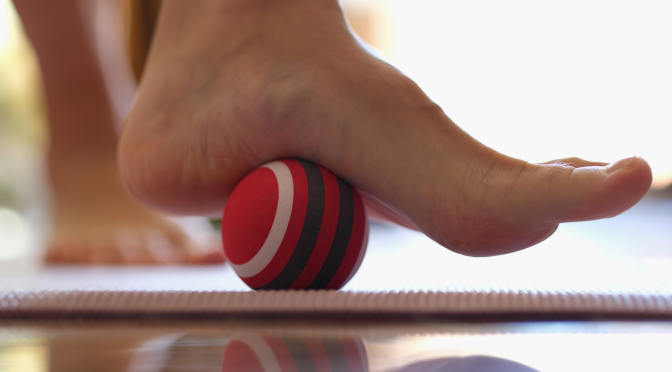
  • Place a tennis ball, frozen water bottle or foam roller under your foot.
  • Slowly roll along the length of your foot, focusing on especially tight areas.
  • Do this for two minutes on each foot.

6. Achilles Stretch

The Achilles tendon is commonly ruptured or torn. This results in pain, stiffness, swelling and impaired movement. To prevent Achilles tendon injuries and improve ankle mobility, do this stretch:

  • Stand resting your hands flat against the wall.
  • With your knees and toes facing straight ahead, place one leg back (like you’re going to do a lunge).
  • Straighten out your back leg and bend your front leg.
  • Keep both your heels flat on the ground as you bend the front knee, leaning towards the wall.
  • Hold for 15-30 seconds and repeat on the other leg.

For this exercise, it’s important to keep both heels flat on the floor and the knees and toes facing forward, avoiding turning the knees or toes out. Otherwise, you won’t feel the stretch in your Achilles tendon.

Now that you know a few simple foot exercises and stretches, you can incorporate them into your routine to strengthen your foot muscles, improve mobility and enhance day-to-day comfort. Being proactive is the key to long-term foot health and North Texas Foot & Ankle is here to support you every step of the way with education and preventative care. Call (214) 574-9255 or schedule an appointment online to get started on your journey to healthy feet!

The Role of Proper Footwear in Athletic Performance and Foot Injury Prevention

Choosing the right footwear is an important decision for any athlete. Whether you’re a beginner or a pro, wearing the proper shoes for your sport is paramount for preventing injuries and enhancing athletic performance. Finding proper athletic footwear goes beyond aesthetics or shopping for the most popular brands. It’s about understanding the demands of your sport and the mechanics of your feet and choosing footwear that best supports both.

Enhance Athletic Performance

An athlete’s performance relies on wearing the proper footwear. Most sports have a shoe designed to support their specific movements and requirements. For example, running shoes are lightweight and flexible, while hiking shoes are designed with uneven terrain in mind, with traction and stability across the entire sole as the main feature. 

Enhancing athletic performance doesn’t stop at considering the sport. It extends to keeping the individual’s unique foot in mind. The height and stability of the person’s arches are important considerations when choosing athletic footwear. For example, runners with arches prone to collapsing should find running shoes in the “stability” category. These shoes are designed to guide your foot into a more neutral alignment while running, preventing overpronation and enhancing athletic performance. Regardless of your preferred sport, investing in the proper footwear provides the comfort and support needed to safely perform at your highest level.

Prevent Injuries

Physical activity places a lot of stress on the body. Neglecting to wear proper footwear puts athletes at a higher risk for injury. Wearing the wrong footwear for a particular sport or footwear that doesn’t fit properly can put excess strain on the feet and ankles, resulting in stress fractures, sprains, plantar fasciitis, Achilles tendonitis and other conditions. Proper athletic footwear provides the support, stability, shock absorption and traction required to safely perform in sports while significantly reducing the risk of sustaining foot and ankle injuries. 

How to Choose the Proper Footwear

Although it’s tempting to choose the most stylish or popular footwear, be careful not to get caught up in the aesthetics. Base your choice on these few considerations:

  • Activity: Each sport requires specific footwear to support the motions and movements associated with different activities. Each type of athletic footwear has its own supportive design, cushioning, flexibility, traction and durability features. Which activity you participate in is the first factor to consider when choosing footwear.
  • Your unique foot type: There’s a variety of footwear options available to support and stabilize different foot types. Determine whether you have high, low or neutral arches, and consider whether your arches and ankles are prone to collapsing or overpronation. Choose footwear that best suits your specific needs. 
  • Proper fit: Shoes that are ill-fitting, too tight or too loose can lead to discomfort and injury. Your shoes should feel comfortable when you first put them on, and you shouldn’t feel the need to “break them in.” Look for shoes that allow you enough room to wiggle your toes but are snug enough to feel stable and supportive.

When Should You Replace Athletic Footwear?

Wearing old, worn-out athletic footwear is as ineffective as wearing the wrong footwear because shoes lose their structural integrity, stability and shock absorption over time. To prevent injury, invest in the proper athletic footwear and replace your shoes when appropriate. The life expectancy of athletic shoes largely depends on the intensity of your activities and how often you use them. You’ll know when your shoes are reaching the end of their life cycle because the cushioning will flatten, the tread will wear off, and the midsole will compress. When your shoes start showing signs of wear and tear and begin losing their comforting and supporting qualities, it’s time for a new pair.

Whether you’re a seasoned pro or just beginning your athletic journey, prioritizing proper footwear is essential to your comfort and safety. At North Texas Foot & Ankle, we know how important prevention is to maintaining healthy feet. Don’t wait for discomfort or injury to strike—take proactive charge of your foot health and call (214) 574-9255 or contact us online to schedule an appointment today!

The Importance of Regular Podiatry Checkups

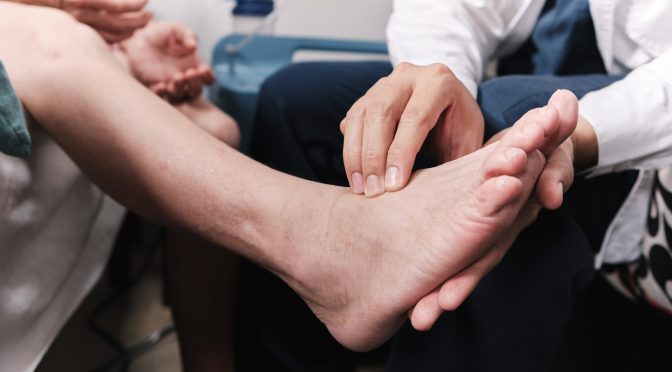
Many people wait until they experience significant foot pain or discomfort before visiting a podiatrist, but early intervention can prevent serious issues down the road. This is especially important for people with chronic conditions, such as diabetic neuropathy, which requires consistent monitoring for wounds and infections. Whether you’re dealing with chronic conditions, foot pain, mobility issues, or simply want to maintain healthy feet, regular check-ups with a podiatrist are essential. Read on to learn about why regular podiatrist check ups are important for maintaining good foot health.

Maintain Overall Foot Health

Our feet are complex and require more attention than we tend to think. They’re made up of many small bones and soft tissues that work together to support our mobility and allow us to participate in various activities, such as walking and running. Podiatrists assess your foot mechanics to identify any abnormalities or imbalances that may be affecting your mobility or foot function. They also recommend targeted treatments, such as custom orthotics or therapeutic exercises, to improve foot health and prevent future problems.

Detect Problems Early

Many foot conditions, such as bunions, plantar fasciitis, toenail fungus and other injuries can be treated more effectively when caught in earlier stages. Much like primary care checkups, regular podiatry visits can save you some discomfort in the future. The earlier a condition or problem is caught, the better. Early detection prevents problems from progressing into more severe conditions and helps avoid further complications that may require surgery or more invasive treatments. 

Manage Chronic Conditions

People with chronic conditions, such as diabetes, arthritis and peripheral artery disease, can face severe foot problems due to poor circulation, nerve damage or joint pain. Those with chronic conditions must visit a podiatrist regularly to monitor these conditions to prevent foot problems from progressing or worsening over time.

This is especially important for people with diabetes, as diabetic neuropathy, or nerve damage, can cause a loss of sensation in the feet. This makes it difficult to detect wounds or infections, which can lead to significant problems in the future if left untreated. 

Create Individualized Treatment Plans

Every patient is different, with a unique set of needs and challenges. Establishing an ongoing relationship with your podiatrist allows them to gain a deeper understanding of your specific concerns and needs. This gives them a better ability to create an individualized treatment plan that aligns with your lifestyle, ensuring more effective and personalized care. 

Receive Preventative Care and Proper Education

Regular podiatry check ups are essential for preventative care, helping to address common concerns like toenail trimming, callus removal and footwear issues. During these visits, your podiatrist will not only treat immediate and routine needs, but also provide valuable education on maintaining optimal foot health. They’ll teach you about proper hygiene habits, nail care techniques, supportive footwear options, and strengthening exercises for your feet and ankles.

Regular podiatry visits help you gain the knowledge and tools you need to proactively care for your feet, preventing serious problems and improving overall foot health. At North Texas Foot & Ankle, we prioritize compassionate care while offering a warm and welcoming atmosphere during your visit. We help you every step of the way on your journey to better foot health. To get started with your regular podiatry visits, give us a call at 214-574-9255 or book your appointment online toda