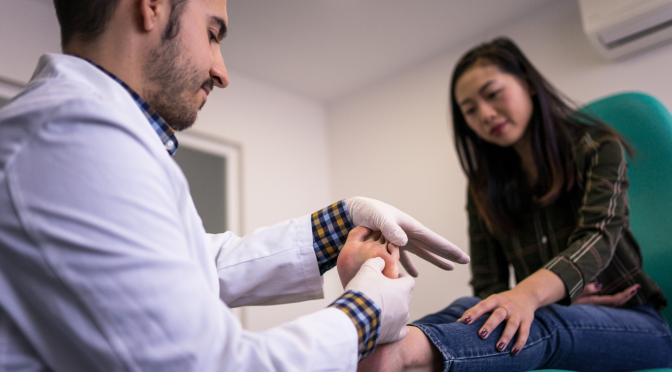
7 Tips for Preventing Common Sports-Related Foot Injuries

With the new year around the corner, many people make it their resolution to be more active and get in better shape. This means sports-related foot injuries, such as sprains, stress fractures, tendonitis, and plantar fasciitis, become more common. On your way to a healthier and more active lifestyle, make sure to take proper precautions to protect your feet and ankles from injuries. Here are a few tips:

1. Wear Supportive Footwear

Step one of preventing sports-related foot injuries is to wear supportive, proper fitting footwear. Choose footwear designed for the sports or workouts you choose to participate in. For example, if you decide to start jogging, wear light and flexible running shoes. There are various types of athletic footwear that provide the right level of support for different foot movements and impact depending on the activity. 

2. Warm Up and Stretch

Many sprains and tendinous  injuries are caused by not properly stretching or warming up before exercising. Before you begin a workout of any kind, you should always warm up your body through light stretches. This improves flexibility and range of motion, preventing the risk of injury. Stretching shouldn’t cause pain or discomfort, so never force a stretch. Focus on proper technique and stretching within a range that’s comfortable for you. 

3. Condition Your Muscles for Workouts

When starting a new workout routine, conditioning is key. Start slow, then work your way up to more impactful exercises. The amount of time, reps and intensity should be built up gradually over time to strengthen your muscles and increase mobility. You should never go too hard, too quickly, as this makes you more susceptible to sprains, broken bones and other injuries. Increasing physical activity step-by-step is a good safeguard against many sports-related injuries.

4. Implement Cross-Training

Overuse and repetition of the same movements can cause over exertion of certain muscles. Overtraining can lead to various foot injuries like achilles tendonitis, plantar fasciitis, stress fractures, and more. Add a little variety into your workout regimen to target different areas to decrease your risk of injuries and discomfort associated with overtraining.

5. Use Proper Technique

Proper technique is vital for preventing sports-related foot injuries. One movement with improper technique can have drastic consequences. No matter the activity, proper form is key. Maintain correct posture, foot alignment and muscle engagement at all times to minimize the risk of injury. 

6. Avoid Running on Uneven Terrain

Running or exercising on uneven surfaces is a common cause of foot injuries. Rocky terrain, hills, loose gravel, potholes, tree stumps, and roots are all things to watch out for when choosing an area to go for a walk or run. Always opt for a more even, flat surface. When running, go around surfaces that aren’t level, and watch out for tripping hazards.

7. Listen to Your Body

Last, but certainly not least, is to listen to your body. If you experience foot or ankle pain or discomfort at any point during your exercise, modify your form or stop the activity altogether. Be mindful of preexisting foot or ankle conditions you may have and listen to your body when you’re feeling tired. Continuing physical activity while fatigued can lead to improper technique, overtraining and injury.

As you embrace a healthier lifestyle, it’s important to take the right precautions to protect your feet and ankles. From wearing supportive footwear to using proper technique, these tips can help you prevent serious injuries like sprains, tendonitis, stress fractures, and plantar fasciitis. If you’re experiencing foot pain or need advice on injury prevention, schedule an appointment with North Texas Foot & Ankle today to ensure you stay active and pain-free all year long.
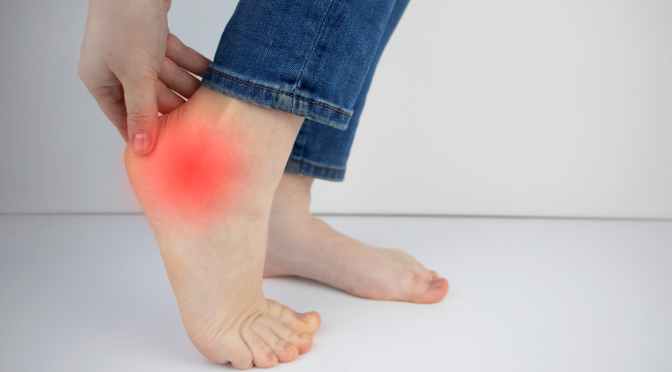

Managing Plantar Fasciitis for a Pain-Free Holiday Season

The holidays are a time for joy and celebration, not for being bogged down by foot pain. Plantar fasciitis is an extremely uncomfortable condition that accounts for approximately one million doctor visits yearly in the US alone. 

The plantar fascia is a thick band of tissue extending from the bottom of the foot up to the toes. It serves as a support for the arches and shock absorption. Swelling or inflammation of this tissue is called plantar fasciitis, which causes immense pain in the heels and arches. Here are a few tips for managing plantar fasciitis for a pain-free holiday season:

Maintain a Healthy Weight

A great way to manage pain from plantar fasciitis is to maintain a healthy weight. Excess weight can place additional pressure and stress on your feet, causing increased pain in the arches and heels. 

Wear Comfortable, Supportive Shoes

For those with plantar fasciitis, good shoes are a must. You should avoid wearing flats, sandals or other shoes that lack arch support. Instead, opt for comfortable, supportive shoes with a thick sole, nice cushion and good arch support. Consider buying orthotic inserts that provide additional support and take the pressure off your heels.

Try Low Impact Exercises

Low-impact exercises are essential to reducing heel and arch pain. Avoid workouts that put excess pressure on your feet, like jogging or running. Instead, try something less strenuous, such as swimming or bicycling. 

Ice Regularly

Since plantar fasciitis is the inflammation of the tissue in the foot, it’s important to take steps to reduce swelling, like icing regularly. Place an ice pack on the painful areas of your foot for 15-20 minutes two to three times a day. You can even give yourself a brief ice-massage by rolling a frozen water bottle under your foot for a few minutes. This stretches the arches and helps with swelling.

Get Treatment

The best way to manage heel and arch pain is to get treatment. At North Texas Foot & Ankle, we can help you treat pain from plantar fasciitis through various therapies, including Extracorporeal Shockwave Therapy and Extracorporeal Pulse Activation Technology. We will also teach you different exercises to help stretch your feet. With proper medical treatment, you’ll be on your way to better foot health – no surgery needed!

At North Texas Foot & Ankle, we prioritize your comfort and foot health. Managing pain from plantar fasciitis is possible with the right care and guidance. Using these tips and working closely with our board-certified team, you can take significant steps towards minimizing discomfort from plantar fasciitis and enjoy a pain-free holiday season. Get started with us by calling us at 214-574-9255 or scheduling your appointment online today!

Understanding Diabetic Foot Care

Diabetes is a chronic disease that affects a large number of people. In fact, in the US alone, 38.4 million people have diabetes. That’s nearly 12% of the population. Even though diabetes has a widespread presence, many people are unaware of the damage it can cause to people’s feet. Nervous system damage from diabetes can result in a loss of sensation in the feet, making it difficult to feel pain, which increases the risk of infection. That’s why people with diabetes need extra time to care for their feet properly.

Why is Diabetic Foot Care Important?

Neuropathy (nerve damage) is a significant complication and a big risk for people with diabetes because it can cause them to lose feeling in their feet. Additionally, with decreased blood flow, injuries heal slowly – even something as small as a blister can become a significant issue. With wounds being challenging to detect and taking longer to heal, the risk of infections increases. Due to these risks, it’s exceedingly essential to inspect your feet every day for various issues, including: 

  • Bruises
  • Nail problems
  • Puncture wounds or ulcers
  • Redness or inflammation
  • Scratches, cuts, or blisters

What Foot Problems Do Diabetics Face?

Foot complications from diabetes can result in deformities. Foot deformities from diabetes can happen in two ways. 

The first potential deformity comes from foot ulcers. These open sores become infected due to high focal pressure areas and a lack of sensation. Foot ulcers lead to tissue loss and strength in the intrinsic foot muscles, resulting in imbalanced pressure on specific areas of the foot. This pressure imbalance can cause deformities, such as hammertoes or claw toes.

The second way is from a bone condition called Charcot’s foot. Charcot foot is one of the more serious foot conditions that can arise from diabetes. This happens when the bones in the foot fracture and disintegrate, causing the shape of the foot to warp. The most dangerous part about this foot condition is that the patient doesn’t always feel pain. This is due to the numbness or loss of feeling in the foot from the neuropathic nature of diabetes. This means that you may continue to walk with Charcot’s foot while feeling no pain, yet it worsens the warping of your foot.

Tips for Proper Diabetic Foot Care

Now that you understand the potential risks and the importance of diabetic foot care, here are some steps you can take for optimal foot health: 

  • Start by inspecting your feet for daily wounds, and keep good foot hygiene. 
  • Wash your feet daily with mild soap and warm water, and keep your toenails trimmed. Always cut your toenails straight across to avoid ingrown toenails. 
  • Keep your feet warm and dry at all times. 
  • After washing, thoroughly dry your feet, making sure to dry between the toes. Then, moisturize with a gentle lotion. Avoid applying lotion between the toes, which can increase moisture and infection. 

These are just some of the basic things you can do to take good care of your feet. There are lots of ways to maintain healthy feet when you have diabetes. Here’s some additional advice:

  • Wear comfortable shoes and socks: Avoid wearing shoes or socks that are too tight. Don’t wear pointed toes or high heels, as these put a lot of pressure on the foot. Instead, wear comfortable, well-fitting shoes, and socks that are light, breathable and don’t squeeze the toes or ankles. Also, consider wearing therapeutic footwear.
  • Be careful in snow or near heaters: Temperatures that are too cold or too hot can be dangerous to your foot health, especially if you can’t feel the potential damage extreme temperatures cause. Avoid placing your feet near heaters, furnaces or fireplaces. Make sure your feet are kept dry and warm in colder weather.
  • Avoid sitting cross legged: Sitting crossed legged decreases blood supply to your feet. People with diabetes already experience decreased blood flow, so it’s best to sit with your feet on the floor for better circulation. 
  • Get moving: Staying active and moving is a good way to increase circulation. Make sure to get up and walk to stimulate blood flow to your feet. 

With proper understanding and proactive diabetic foot care, you can better manage many of the potential risks to your foot health. At North Texas Foot & Ankle, we’re dedicated to helping our diabetic patients maintain healthy feet through education, preventative care and specialized treatments. Give us a call at 214-574-9255 or book your appointment online now to ensure your feet remain in the best possible health!

What to Expect at Your First Podiatry Visit

If you’ve never been to a podiatrist before, you might be unsure about what to expect during your first visit. At North Texas Foot & Ankle, we want to make new patients feel as comfortable and stress-free as possible. Whether you’re dealing with chronic foot pain, an injury, or a skin issue, here’s a guide to help you understand what will happen during your first appointment.

Check-In and Paperwork

When you make your appointment, we will send you an email with an invite to get on our patient portal. You can fill out new patient paperwork online. We ask you to arrive at least ten minutes ahead of your appointment time so we can scan your insurance cards and photo ID. We have you bring an updated RX list. We let you know if you have a copay, co-insurance or deductible, that will be due at the time of service.

Consultation with the Podiatrist

After check-in, you’ll meet with one of our podiatrists. We’ll start by discussing the reason for your visit. You might be experiencing pain, swelling, discomfort while walking, or a recurring issue like ingrown toenails or fungal infections. We encourage you to ask any questions and share all your concerns, even if you think they might be minor. Our goal is to get a clear picture of your foot health.

Physical Examination

Next, we’ll perform a physical examination of your feet and ankles. We may ask you to stand, walk, or move your foot in different directions to assess your range of motion and how your feet support your body. This can help identify any underlying issues such as flat feet, arthritis, or misalignments.

Diagnostic Tests

Depending on your symptoms, we may recommend diagnostic tests such as X-rays, ultrasound, or blood work. These tests help us better understand the extent of your condition, especially if we suspect fractures, tendon issues, or circulatory problems. We’ll explain why a test is necessary and what we’re looking for.

Treatment Plan

Once we have all the information, we’ll develop a personalized treatment plan for you. This may include at-home care like stretching exercises, changes in footwear, medication, physical therapy, or in some cases, surgery. We’ll walk you through every step of the treatment process and make sure you understand your options.

At North Texas Foot & Ankle, we’re committed to providing the best care possible. Your first visit is the start of your journey toward better foot health, and we’re here to guide you every step of the way! If you have any questions or concerns before your appointment, don’t hesitate to contact us by calling 214-574-WALK (9255).

5 “Spooky” Foot Injuries and How to Protect Against Them

Halloween may be a time for chills and thrills, but foot injuries are no fun at all! Whether you’re out trick-or-treating with the kids, dancing at a costume party, or simply enjoying the cooler weather, it’s important to keep your feet safe from “spooky” injuries. At North Texas Foot & Ankle, we want to help you avoid these 5 common foot injuries and enjoy the season pain-free.

1. The Phantom Ankle Sprain

An ankle sprain can happen in the blink of an eye, especially if you’re walking on uneven surfaces or wearing shoes that don’t provide enough support (we’re looking at you, costume heels). One wrong step and your ankle can twist, leading to swelling, bruising, and pain.

How to protect yourself: Wear supportive shoes with good ankle stability, especially if you’ll be walking long distances. Avoid uneven surfaces, and always watch where you step!

2. The Creepy Corn Callus

Those cute witch boots or Frankenstein shoes may be the highlight of your costume, but they can also lead to corns and calluses if they’re too tight. Constant pressure or friction on your feet can cause painful, hardened skin that makes walking uncomfortable.

How to protect yourself: Choose footwear that fits properly, with enough room for your toes to wiggle. If your costume shoes are uncomfortable, try using cushioned pads or inserts to reduce friction.

3. The Frightening Fracture

Stress fractures are small cracks in your bones that can develop over time, often due to repetitive stress or impact. If you’re spending a lot of time on your feet without proper support, you may be at risk.

How to protect yourself: Give your feet a break when they’re tired! Take time to rest, and avoid overdoing it with activities that put excessive pressure on your feet. Proper footwear is key here as well.

4. The Gory Ingrown Toenail

An ingrown toenail might not sound spooky, but the pain can be downright chilling. Tight shoes and improper trimming can lead to this painful condition, where the edge of the nail grows into the surrounding skin.

How to protect yourself: Trim your nails straight across, and avoid wearing shoes that squeeze your toes together. If you notice any signs of redness or swelling, come see us before it worsens.

5. The Spooky Sprained Toe

Sometimes called “turf toe,” a sprained toe occurs when you jam or overextend your toe, often during physical activity. This injury can leave you limping for days.

How to protect yourself: Be cautious when running or jumping, especially in less supportive footwear. Warm up your muscles before any intense activity to reduce the risk of injury.

At North Texas Foot & Ankle, we’re here to help you keep your feet healthy, whether you’re avoiding “spooky” injuries or recovering from one. If you need expert care, give us a call today at 214-574-WALK (9255)!

Understanding Peripheral Arterial Disease (PAD)

Peripheral Arterial Disease (PAD) is a common yet serious condition that affects millions of people, particularly those over 50. In the US alone, between 8-12 million people struggle with PAD every year. Despite its prevalence, many individuals are unaware of what PAD is, how it affects the body, and what can be done to manage it. Understanding PAD is crucial, especially when it comes to maintaining healthy feet and overall mobility.

What is Peripheral Arterial Disease?

PAD occurs when the arteries that supply blood to the limbs become narrowed or blocked due to a buildup of fatty deposits, known as plaque. It’s a condition that raises your chance of heart attack, stroke, and/or potential loss of extremity especially as you age. PAD most commonly affects the legs, making it difficult for blood to flow properly, which can lead to various complications.

Symptoms of PAD

One of the most telling symptoms of PAD is pain or cramping in the legs, especially during physical activity. This pain, known as claudication, usually occurs in the calves, thighs, or buttocks and tends to subside with rest. Other symptoms include numbness, weakness, coldness in the lower legs or feet, and sores or wounds on the feet that heal slowly or not at all. In severe cases, PAD can lead to critical limb ischemia, a condition characterized by severe pain, ulcers, or gangrene due to insufficient blood flow.

Who is at Risk for PAD?

Several factors increase the risk of developing PAD. Smoking is one of the most significant risk factors; smoking directly contributes to the buildup of plaque in the arteries. Other risk factors include diabetes, high blood pressure, high cholesterol, and a family history of cardiovascular disease. Age also plays a role, with the likelihood of developing PAD increasing as you get older. As we’ve mentioned earlier, those 50 and up are at a higher risk of developing PAD.

The Importance of Early Diagnosis

Early detection of PAD is crucial in preventing serious complications. If left untreated, PAD can lead to reduced mobility, chronic pain, and in extreme cases, amputation. If you experience any symptoms of PAD, it’s essential to consult with a healthcare professional for proper diagnosis and management.

Managing and Treating PAD

The treatment of PAD often involves lifestyle changes, such as quitting smoking, exercising regularly, and adopting a heart-healthy diet. Managing underlying conditions like diabetes and high blood pressure is also critical. In some cases, medication may be prescribed to improve blood flow or prevent blood clots. For severe cases, surgical interventions, such as angioplasty or bypass surgery, may be necessary to restore proper blood flow to the affected limbs.

Peripheral Arterial Disease is a serious condition that requires attention and proper management. By understanding the risk factors, symptoms, and treatment options, you can take proactive steps to protect your health and maintain your quality of life. If you suspect you have PAD or are at risk, consulting a specialist at North Texas Foot & Ankle can provide you with the care and guidance you need.

The Basics of Wound Care for Your Feet

Foot wounds are more common than you might think, especially for those with certain health conditions like diabetes. Proper care is essential to prevent complications and promote healing. Whether you’re dealing with a minor scrape or something more serious, understanding the basics of foot wound care can make all the difference.

1. Cleaning the Wound

The first step in foot wound care is thoroughly cleaning the area. Start by washing your hands to prevent infection. Then, gently rinse the wound with clean water to remove any dirt or debris. Avoid using harsh antiseptics like hydrogen peroxide, as they can damage healthy tissue and slow healing. Instead, opt for mild soap and water. Pat the area dry with a clean towel.

2. Assessing the Wound

After cleaning, take a close look at the wound. If it’s deep, bleeding heavily, or shows signs of infection (like redness, swelling, or pus), seek medical attention promptly. Diabetic patients should be especially vigilant, as even small wounds can lead to severe complications if not properly managed.

3. Applying a Dressing

Covering the wound is crucial to protect it from bacteria and further injury. Use a sterile bandage or dressing, and change it daily or whenever it becomes wet or dirty. For minor wounds, an adhesive bandage may suffice, but larger or more serious wounds might require a specialized dressing, such as one designed to maintain a moist environment that promotes healing.

4. Monitoring for Infection

Regularly check the wound for signs of infection, especially if you have diabetes. Symptoms like increased pain, redness, warmth, or discharge should not be ignored. Early intervention is key to preventing more serious issues, such as ulcers or even amputation in extreme cases.

5. Seeking Professional Care

If you have diabetes, neuropathy, or poor circulation, you’re at higher risk for foot wounds that don’t heal properly. Regular check-ups with a podiatrist are essential. They can provide specialized care, from debridement (removing dead tissue) to recommending the right dressings and treatments. For diabetic patients, managing blood sugar levels is also critical to wound healing.

Specific Treatment Tips for Diabetic Foot Ulcers

The most common type of foot wound we see at NTFA is a diabetic ulcer. If you struggle with diabetic ulcers, there are a few ways to kickstart treating the wound: 

  • Clean the area regularly to prevent infection. (If you struggle with doing this, please talk to our podiatrists. We’d be happy to guide you through instructions on proper cleaning.)
  • Take pressure off the area (“off-loading”).
  • Remove dead skin and tissue (called debridement)
  • Apply podiatrist-recommended and/or prescribed medication and/or dressings to the ulcer
  • Manage your blood glucose levels and get ahead of other health issues so you can prevent future ulcers/minimize them

Prevention Tips

Generally speaking, preventing foot wounds is always better than treating them! Wear proper footwear that fits well and protects your feet. Keep your feet clean and moisturized, but avoid applying lotion between the toes, as this can lead to fungal infections. Regularly inspect your feet for any signs of injury or irritation, especially if you have reduced sensation due to neuropathy.

Proper wound care for your feet is not just about immediate treatment; it’s about ongoing vigilance and care. By taking the right steps, you can prevent complications and keep your feet healthy and pain-free.

Why You Should Treat Diabetic Foot Ulcers As Soon As Possible

Diabetic foot ulcers are a common yet serious complication for individuals with diabetes. These open sores or wounds typically occur on the bottom of the foot and, if left untreated, can lead to severe consequences. At North Texas Foot & Ankle, we emphasize the importance of addressing these ulcers promptly to ensure optimal health outcomes. Here’s why timely treatment is crucial.

Preventing Infections

Diabetic foot ulcers can quickly become infected if not properly treated. The high blood sugar levels associated with diabetes can impair your immune system, making it more challenging for your body to fight off infections. An untreated ulcer can become a gateway for bacteria, leading to infections that can spread to the bones and bloodstream. Early treatment with proper wound care, antibiotics, and medical supervision can prevent such infections from taking hold.

Avoiding Amputations

One of the most severe risks of untreated diabetic foot ulcers is the potential for amputation. Half of all amputations occur in people with diabetes, according to the National Library of Medicine. Infections that are not managed in time can cause extensive tissue damage, sometimes necessitating the removal of the affected limb to save the patient’s life. According to the American Diabetes Association, prompt and effective treatment of foot ulcers can significantly reduce the risk of amputation. Seeking immediate care at North Texas Foot & Ankle can help you avoid this drastic outcome.

Improving Quality of Life

Living with a foot ulcer can be incredibly painful and debilitating! It can limit your mobility, making it difficult to perform everyday activities. Prompt treatment can alleviate pain, promote faster healing, and help you return to your normal routine more quickly. By addressing the ulcer early, you can maintain your independence and improve your overall quality of life.

Reducing Healthcare Costs

Treating diabetic foot ulcers early can also be more cost-effective in the long run. Delayed treatment often leads to complications that require more intensive and expensive medical interventions, including hospital stays and surgeries. By seeking prompt care, you can avoid these additional costs and focus on managing your diabetes effectively.

Enhancing Long-term Health

Early treatment of diabetic foot ulcers plays a crucial role in your long-term health. Proper wound care, regular check-ups, and ongoing management of your diabetes can prevent future ulcers and complications. At North Texas Foot & Ankle, our comprehensive approach ensures that you receive the best possible care to support your long-term health and well-being.

If you have a foot ulcer or are at risk, don’t wait. Schedule an appointment with North Texas Foot & Ankle today. Same-day appointments are often available, as well as telemedicine appointments. 

The Differences Between Plantar Fasciitis and Plantar Fibroma

Foot pain can be a significant hindrance to daily activities, and understanding the root cause is essential for effective treatment. Two common conditions that affect the feet are plantar fasciitis and plantar fibroma. While they may sound similar, they are distinct in their causes, symptoms, and treatments. At North Texas Foot & Ankle, our podiatrists are here to help you understand the differences and guide you toward the best care.

What is Plantar Fasciitis?

Plantar fasciitis is an inflammation of the plantar fascia, a thick band of tissue that runs across the bottom of your foot, connecting your heel bone to your toes. This condition is often caused by repetitive stress or overuse, leading to small tears in the fascia. Common risk factors include prolonged standing, high-impact activities like running, and having flat feet or high arches.

Symptoms:

  • Sharp pain in the heel, especially with the first steps in the morning or after periods of inactivity
  • Pain that decreases with movement but may return after long periods of standing or walking
  • Tenderness and swelling in the heel area

Treatment:

  • Rest and ice to reduce inflammation
  • Stretching exercises for the Achilles tendon and plantar fascia
  • Orthotic devices to support the arch and reduce stress on the fascia
  • Physical therapy and, in severe cases, corticosteroid injections

What is Plantar Fibroma?

Plantar fibroma is a benign growth or nodule in the plantar fascia. The exact cause is unknown, but it may be related to trauma or genetic factors. Unlike plantar fasciitis, plantar fibromas do not result from inflammation but from the development of fibrous tissue within the fascia.

Symptoms:

  • Firm lump or nodules in the arch of the foot
  • Pain when pressure is applied directly to the lump
  • Discomfort while walking or standing, depending on the size and location of the fibroma

Treatment:

  • Non-surgical options include orthotic devices to reduce pressure on the fibroma
  • Physical therapy to stretch and strengthen the foot muscles
  • In cases where pain persists, surgical removal of the fibroma may be considered. Your podiatrist will provide the most effective treatment options when you meet with them in person. 

Key Differences

The primary distinction between plantar fasciitis and plantar fibroma lies in their nature: plantar fasciitis is an inflammatory condition, while plantar fibroma involves a fibrous growth. Plantar fasciitis typically presents with diffuse heel pain, whereas plantar fibroma is characterized by a localized lump in the arch.

Understanding the differences between plantar fasciitis and plantar fibroma is crucial for appropriate treatment. If you’re experiencing foot pain, consulting with a specialist at North Texas Foot & Ankle can help determine the underlying cause and provide targeted care to relieve your symptoms and improve your quality of life. Our board certified team is ready to help! Book an appointment with our team — same day appointments are available! 

5 Ways You Can Care for Your Feet as You Age

As we get older, taking care of our feet becomes increasingly important to maintain mobility and overall health! Our feet support us throughout the day, and giving them the attention they deserve can prevent a range of issues from minor discomforts to more serious conditions. Here are a few effective ways to care for your feet as you age, ensuring they remain healthy and strong.

Maintain Proper Hygiene

Good foot hygiene is fundamental. Wash your feet daily with warm water and mild soap, ensuring to clean between the toes. After washing, dry your feet thoroughly to prevent fungal infections like athlete’s foot. Moisturize your feet regularly to keep the skin supple and prevent cracks, but avoid the areas between the toes as excess moisture can lead to infections. If you experience wounds around your feet, get 

Stay Active

Exercise is beneficial for overall health and particularly for your feet. Engaging in regular physical activity helps maintain good circulation, muscle strength, and joint flexibility. Low-impact exercises like walking, swimming, and cycling are great for keeping your feet active without putting too much strain on them. Stretching exercises can also help maintain flexibility and prevent stiffness in the feet and ankles.

Wear Appropriate Footwear

Choosing the right footwear is crucial as you age. Opt for shoes that provide ample support and cushioning. Avoid high heels and shoes with narrow toe boxes, as they can cause bunions, hammertoes, and other deformities. Instead, look for shoes with a wide toe box, good arch support, and non-slip soles. Orthotic inserts can also provide additional support and comfort, especially if you suffer from conditions like flat feet or plantar fasciitis.

Keep Nails Trimmed

Regularly trimming your toenails helps prevent painful conditions like ingrown toenails and infections. Cut your nails straight across and avoid cutting them too short. If you have difficulty reaching your feet or have thickened nails, consider seeing a podiatrist for professional care. Proper nail care not only keeps your feet looking good but also reduces the risk of complications.

Monitor for Changes

As you age, it’s important to regularly inspect your feet for any changes or abnormalities. Look for signs of redness, swelling, cuts, blisters, or changes in skin color. Pay attention to any persistent pain or discomfort. Early detection of issues like infections, ulcers, or circulatory problems can prevent more serious complications. If you notice anything unusual, don’t hesitate to consult a podiatrist.

Caring for your feet as you age is essential for maintaining mobility and independence. By incorporating these simple yet effective practices into your routine, you can keep your feet healthy and enjoy an active lifestyle. At North Texas Foot & Ankle, we’re here to support you with professional care and advice tailored to your needs. If you have any concerns about your foot health, schedule an appointment with us today. Same day appointments often available!