Unpacking Achilles Tendon Pain

Achilles tendon pain is a common issue that can affect anyone, especially those who are active or participate in sports. The Achilles tendon, the largest tendon in your body, connects your calf muscles to your heel bone, playing a crucial role in walking, running, and jumping. When this tendon becomes inflamed or injured, it can cause significant pain and discomfort. Let’s dive into what causes Achilles tendon pain and how you can stay safe while exercising to prevent it.

What Causes Achilles Tendon Pain?

Achilles tendon pain, often referred to as Achilles tendinitis, is usually caused by overuse. This means that repetitive stress on the tendon, especially from activities like running or jumping, can lead to inflammation. Here are some common causes:

  1. Overuse: Engaging in high-intensity activities without adequate rest can strain the tendon.
  2. Sudden Increase in Activity: Abruptly increasing the intensity or duration of your workouts can overload the tendon.
  3. Poor Footwear: Wearing shoes that lack proper support or cushioning can contribute to tendon strain.
  4. Tight Calf Muscles: Limited flexibility in your calf muscles can increase tension on the Achilles tendon.
  5. Flat Feet: Flat arches can place extra stress on the tendon, leading to pain and discomfort.

Preventing Achilles Tendon Pain While Exercising

Preventing Achilles tendon pain involves a combination of proper preparation, good technique, and mindful exercise practices. Here are some tips to keep your Achilles tendon healthy and strong:

  1. Warm Up Properly Before diving into any exercise routine, make sure to warm up properly. A good warm-up increases blood flow to your muscles and tendons, making them more flexible and less prone to injury. Start with light aerobic activities like walking or jogging, followed by dynamic stretches targeting your calves and ankles. We’ve got a few of our favorite stretches here for you to check out! 
  2. Gradually Increase Intensity Avoid sudden changes in your workout intensity. It’s tempting to jump right into a new sport, but it can do more harm than good. Gradually increase the duration and intensity of your exercises to give your Achilles tendon time to adapt. This progressive approach reduces the risk of overuse injuries.
  3. Wear Supportive Footwear Invest in good-quality, supportive shoes that fit well and provide adequate cushioning. If you’re a runner, most running shoe stores will do free shoe fittings to meet your needs. The right shoes can significantly reduce the stress on your Achilles tendon. If you have flat feet or other foot issues, consider using orthotic inserts for added support. The North Texas Foot & Ankle team sells a variety of supportive shoes! Come visit and see for yourself! 
  4. Strengthen Your Calf Muscles Strong calf muscles can take some of the load off your Achilles tendon. Incorporate calf-strengthening exercises into your routine, such as calf raises and seated calf presses. These exercises can improve your tendon’s resilience and reduce the risk of injury.
  5. Stretch Regularly Regular stretching can improve the flexibility of your calf muscles and Achilles tendon. Focus on stretches that target these areas, like the wall calf stretch or the towel stretch. Stretching after your workout, when your muscles are warm, can be particularly beneficial.

Listen to Your Body

Lastly, pay attention to your body’s signals. If you start to feel pain or discomfort in your Achilles tendon, don’t ignore it. Rest and allow your tendon to recover. Continuing to exercise through pain can lead to more severe injuries.

Taking care of your Achilles tendon is crucial for maintaining an active lifestyle. If you experience persistent pain or suspect an injury, don’t hesitate to reach out to North Texas Foot & Ankle. Same-day appointments are often available! We’re here to help you with professional care and advice tailored to your needs. 

Understanding Candida Antigen Therapy and How It’s Used for Wart Treatment

Many people will develop warts during their lives. They affect roughly 10% of the global population and are most common among school-aged children. For many wart-sufferers, the go-to treatment has been OTC remedies. However, there are new ways for those who have warts to find relief: candida antigen therapy. 

More About Warts

Warts are small, noncancerous growths that occur when your skin has been infected with a strand of the human papillomavirus (HPV). Warts can occur on any area of the skin, however they are most commonly found on the hands or feet. Often kids and teens are more prone to getting warts because their immune systems have not fully developed immunity to the HPV, however warts can still occur in adults. It is not uncommon for warts to appear in the adult population during times of stress, weakened immunity, or due to coming in contact with someone who has the virus. There are a multitude of treatments for warts which are offered here in our office. One such treatment is Candida Antigen immunotherapy. This is a great treatment option to assist in the elimination of warts when other treatments have not resulted in a resolution of the condition or as a first line treatment if necessary. 

What is Candida Antigen

Candida antigen is a cutaneous injection type of treatment that boost the immune system, assisting the natural immune system to fight off the variety of HPV or Molluscum virus strands that cause the warts to arise. 

Who is a Good Candidate for Candida Antigen

Individuals who do not see good results with other wart treatments or who experience multiple wart recurrences can often benefit from Candida Antigen treatment. 

Schedule a Consultation

If you or a loved one has a wart or multiple warts, please contact our office today. We will be happy to schedule your Candida antigen consultation appointment with one of our board certified physicians. During your consultation, various options of wart treatments can be discussed including the Candida Antigen. Simply ask about it and we’re happy to discuss it! 

Understanding Minimally Invasive Bunion Surgery: A Step Towards Pain-Free Feet

Bunions, those painful bumps on the side of the big toe, can make walking and even wearing shoes an uncomfortable ordeal. Fortunately, advances in medical technology have introduced minimally invasive bunion surgery, a game-changer for patients seeking relief with smaller incisions  and quicker recovery times. Let’s explore what this procedure involves and its numerous benefits.

What is Minimally Invasive Bunion Surgery?

Minimally invasive bunion surgery (MIS) is a modern approach to correcting bunions that involves small incisions and specialized surgical tools. Traditional bunion surgery typically requires larger incisions to access and realign the bones, which can lead to significant pain ,extended recovery periods, and increased scar tissue. In contrast, MIS uses tiny incisions— often less than a Centimeter long— and uses fluoroscopy (a type of real-time X-ray) to guide the surgeon in correcting the bone alignment.

The Perks of Minimally Invasive Bunion Surgery

  1. Reduced Pain and Discomfort: One of the most significant advantages of MIS is the reduced pain experienced by patients post-surgery. The smaller incisions result in less trauma to the soft tissues, leading to less swelling and discomfort. Many patients find they can manage pain with over-the-counter painkillers rather than stronger medications.
  2. Quicker Recovery Time: Minimally invasive procedures often allow patients to walk immediately after surgery, albeit with some protective devices. Full recovery is typically achieved quicker, enabling patients to return to their normal activities much sooner.
  3. Less Scarring: The tiny incisions used in MIS mean that scarring is minimal. For many, the appearance of their feet post-surgery is a significant concern. Minimally invasive techniques result in smaller, less noticeable scars, which is a considerable benefit for those who are conscious of their appearance.
  4. Lower Risk of Complications: Every surgical procedure carries some risk, but MIS tends to have a lower complication rate compared to traditional surgery. The smaller incisions reduce the likelihood of infection, and the precision of the technique minimizes the risk of damaging surrounding tissues and nerves.
  5. Improved Mobility: MIS often leads to a better functional outcome, meaning patients preserve a more natural movement of the big toe and overall foot. This improvement can significantly enhance the quality of life, making everyday activities like walking and exercising much more comfortable.

Who is a Candidate for MIS?

While it’s a great option, not everyone with a bunion is a candidate for minimally invasive surgery. The suitability of this procedure depends on various factors, including the severity of the bunion, the patient’s overall health, and their activity level. A thorough consultation with our foot and ankle specialist surgeons from North Texas Foot & Ankle is essential to determine the best course of action.

If you’re struggling with bunions, let’s talk! MIS bunion surgery might be in the cards. Our team offers same-day appointments which you can book online or by calling 214-574-9255. It might just be the step you need towards pain-free, happy feet.

The Importance of Understanding Diabetic Neuropathy for Foot Health

Diabetic neuropathy is a common yet serious complication of diabetes that affects the nerves, particularly those in the feet and lower extremities. For patients of North Texas Foot & Ankle, understanding diabetic neuropathy is crucial for maintaining optimal foot health and preventing severe complications.

What is Diabetic Neuropathy?

Diabetic neuropathy is a type of nerve damage that occurs in individuals with diabetes. High blood sugar levels over prolonged periods can injure the walls of tiny blood vessels that nourish the nerves, especially in the legs and feet. This can lead to symptoms such as pain, tingling, numbness, and loss of sensation.

Why is Diabetic Neuropathy Important for Foot Health?

Loss of Sensation

One of the most significant dangers of diabetic neuropathy is the loss of sensation in the feet. When you can’t feel pain, injuries like cuts, blisters, or sores can go unnoticed and untreated. These minor injuries can develop into serious infections, potentially leading to ulcers or even the need for amputation if not properly managed.

Poor Circulation

Diabetic neuropathy often comes hand-in-hand with peripheral arterial disease (PAD), which reduces blood flow to the feet. Poor circulation can slow the healing process of any foot injuries, increasing the risk of infection and complications.

Foot Deformities

Nerve damage can also affect the muscles in the feet, leading to imbalances that cause deformities such as hammertoes or Charcot foot. These deformities can make it difficult to walk and increase the risk of pressure sores.

Infections

Due to the combination of reduced sensation and poor blood flow, infections are more common and harder to treat in individuals with diabetic neuropathy. Even small infections can quickly become serious if not addressed promptly.

5 Preventative Measures and Management

Understanding the risks associated with diabetic neuropathy is the first step towards proactive foot care. Here are some key preventative measures:

  1. Regular Check-Ups: Routine visits to your healthcare provider or foot specialist at North Texas Foot & Ankle can help detect problems early. Regular check-ups are essential for monitoring the health of your feet and managing diabetes effectively.
  2. Daily Foot Inspections: Individuals with diabetes should inspect their feet daily for any signs of injury, redness, swelling, or blisters. Using a mirror can help you see the bottoms of your feet.
  3. Proper Footwear: Wearing well-fitted shoes that protect your feet and provide adequate support is crucial. Avoid walking barefoot to reduce the risk of injury.
  4. Control Blood Sugar Levels: Maintaining good control over your blood sugar levels is critical in preventing or slowing the progression of neuropathy.
  5. Healthy Lifestyle Choices: Incorporating a balanced diet, regular exercise, and avoiding smoking can improve overall circulation and foot health.

Diabetic neuropathy poses significant risks to foot health, but with proper understanding and proactive management, many of these risks can be mitigated. At North Texas Foot & Ankle, we are dedicated to helping our patients maintain healthy feet through education, preventative care, and specialized treatments. Schedule a same-day consultation today to ensure your feet remain in the best possible health!

Biggest Signs You’ve Got a Broken Ankle vs a Sprained Ankle

Injuries to the ankle are common, especially for those leading active lifestyles or engaging in sports. However, distinguishing between a broken ankle and a sprained ankle can be challenging. Both conditions share symptoms like pain and swelling, yet the treatments and recovery processes differ significantly. Here are the biggest signs to help you determine whether you’ve got a broken ankle or a sprained ankle, and when to seek professional care from North Texas Foot & Ankle.

Understanding the Differences

A sprained ankle occurs when the ligaments that support the ankle stretch or tear. This is often the result of a sudden twist or turn of the ankle. On the other hand, a broken ankle (or ankle fracture) involves a break in one or more of the bones in the ankle joint.

5 Key Signs of a Broken Ankle

  1. Severe Pain: While both injuries cause pain, a broken ankle often results in immediate, severe pain that intensifies with movement or when putting weight on the foot. The pain from a fracture is usually sharp and localized at the site of the break.
  2. Deformity: A noticeable deformity, such as a bone protruding through the skin or the ankle appearing misaligned, is a clear sign of a fracture. If your ankle looks out of place or you see an abnormal bend, it’s likely broken.
  3. Inability to Bear Weight: If you cannot bear any weight on the injured ankle without excruciating pain, this strongly suggests a fracture. While a severe sprain can also cause difficulty in weight-bearing, a complete inability is more indicative of a break.
  4. Bone Tenderness: Direct tenderness over the bone, especially around the ankle bones (malleoli), is a telltale sign of a fracture. Pressing on these bones and experiencing significant pain points towards a break rather than a sprain.
  5. Numbness or Tingling: Experiencing numbness or a tingling sensation in the foot or toes can indicate nerve involvement, which is more common in fractures due to potential nerve damage.

Key Signs of a Sprained Ankle

Pain and Swelling

While fractures cause severe, sharp pain, sprains usually result in a dull or throbbing pain. Swelling and bruising are common in both, but tend to be more widespread in sprains.

Limited Range of Motion

Sprains typically cause difficulty moving the ankle in certain directions. If moving the ankle is painful but still possible, it is more likely a sprain.

Gradual Pain Increase

Unlike the immediate and severe pain of a fracture, the pain from a sprain may increase gradually over the first 24 hours after the injury.

Instability

Feeling of instability or looseness in the ankle joint is common with sprains, as the ligaments are stretched or torn, compromising the joint’s support.

When to Seek Professional Help

If you experience any of the severe symptoms associated with a broken ankle, such as extreme pain, deformity, inability to bear weight, or numbness, it’s crucial to seek immediate medical attention. At North Texas Foot & Ankle, our orthopedic specialists are equipped to provide accurate diagnoses and comprehensive treatment plans to ensure optimal recovery.

How to Tackle Warts Before the Summer Season

As the summer season approaches, it’s time to kick off those shoes and enjoy the warmth of the sun. However, if you’re dealing with pesky warts on your feet, it can put a damper on your summer plans. Warts, caused by the human papillomavirus (HPV), can be both unsightly and uncomfortable. But fear not! With the right approach, you can tackle warts head-on and get your feet ready for summer fun.

At North Texas Foot & Ankle, we understand the frustration that comes with dealing with warts. That’s why we’ve put together some tips to help you combat them before the summer season kicks into high gear:

Early Intervention

Don’t wait until summer is in full swing to address your warts. The earlier you start treatment, the easier they are to manage. If you notice any suspicious bumps, painful calluses or growths on your feet, schedule an appointment with our podiatrists for a thorough evaluation.

Professional Treatment Options

Our experienced podiatrists offer a range of treatment options to effectively eliminate warts. From topical medications to laser therapy and surgical removal, we tailor our approach to suit your specific needs and preferences.

Avoid Self-Treatment

While over-the-counter wart remedies may seem convenient, they are often ineffective and can lead to further complications. Attempting to remove warts at home can result in pain, scarring, and the spread of the virus to other areas of the foot. Leave it to the professionals to ensure safe and successful treatment.

Maintain Good Foot Hygiene

Keep your feet clean and dry to prevent the spread of warts and reduce the risk of recurrence. Wash your feet daily with soap and water, and avoid walking barefoot in public areas where the virus may be present, such as locker rooms and swimming pools.

Boost Your Immune System

A healthy immune system plays a crucial role in fighting off HPV and preventing warts from returning. Make sure to eat a balanced diet rich in vitamins and minerals, get plenty of rest, and manage stress levels to keep your immune system strong.

Don’t let warts put a damper on your summer plans. Take proactive steps to address them now and enjoy a season of carefree fun in the sun. Schedule an appointment with North Texas Foot & Ankle today and let our expert team help you put your best foot forward this summer!

Summer Sports & Shin Splints: How to Keep Your Feet and Ankles Safe During Summer Activities

Summer is the perfect time to get outside and engage in all sorts of sports and activities. Whether it’s running on the beach, playing volleyball in the park, or hitting the trails for a hike, there’s no shortage of ways to enjoy the sunshine. However, with increased activity comes a higher risk of injuries, particularly to the feet and ankles. One common ailment that plagues many summer enthusiasts is shin splints. But fear not! With the right precautions and care, you can keep your lower limbs happy and healthy all season long.

Understanding Shin Splints

Firstly, let’s understand what shin splints are. Shin splints, or medial tibial stress syndrome, are characterized by pain along the shinbone (tibia), usually on the front of the shin . They often occur due to rapid increase in overuse, improper footwear, and tight achilles tendons overpowering your front shin muscles . The repetitive stress placed on the shinbone during activities like running, jumping, or dancing can lead to inflammation of the muscles, tendons, and bone tissue in the area causing shin splints or mimicking a shin splint but actually be a tibia stress fracture

So, how can you prevent shin splints and other foot and ankle injuries during your summer sports endeavors? Here are some tips:

  • Warm-Up and Stretch: Before diving into your activity, spend a few minutes warming up with dynamic movements like leg swings, lunges, and ankle circles. Follow it up with gentle stretches targeting the calves, shins, and ankles to increase flexibility and reduce the risk of injury.
  • Choose Proper Footwear: Invest in footwear specifically designed for your chosen activity. Shoes that provide adequate support, cushioning, and stability can significantly reduce the strain on your feet and lower legs. Replace worn-out shoes to ensure optimal performance and injury prevention.
  • Gradually Increase Intensity: If you’re starting a new sport or ramping up your training, do so gradually. Sudden spikes in activity level can overwhelm your muscles and lead to overuse injuries like shin splints and tibial stress fractures. Listen to your body and give it time to adapt to the demands of your chosen activity.
  • Cross-Train: Incorporate a variety of activities into your fitness routine to prevent overuse injuries. Mixing high-impact activities with low-impact ones can help distribute stress more evenly throughout your body and reduce the risk of repetitive strain injuries.
  • Rest and Recovery: Don’t forget the importance of rest days and proper recovery techniques. Allow your body ample time to repair and rebuild after intense workouts. Incorporate foam rolling, stretching, and gentle massages to alleviate muscle tension and promote circulation.

By following these guidelines, you can enjoy a fun-filled summer of sports and outdoor activities while keeping your feet and ankles free from the discomfort of shin splints and other common injuries. If you’re trying to get your feet summer ready and keep your body injury-free, schedule an appointment with the North Texas Foot & Ankle team! We often have same-day availability, so we can help you get on the road to recovery fast.

How to Get Your Feet Ready for Spring

As the cold weather gives way to warmer temperatures and blooming flowers, it’s time to prepare your feet for the spring season. After months of being bundled up in socks and shoes, your feet may need some extra care and attention to look and feel their best. At North Texas Foot & Ankle, we’re here to help you get your feet ready for spring with these simple tips:

Exfoliate

Start by sloughing off dry, dead skin cells that have accumulated over the winter months. Use a gentle exfoliating scrub or pumice stone to remove rough patches and reveal smoother, softer skin underneath. Pay special attention to areas prone to calluses, such as the heels and balls of the feet.

Tackle Fungus

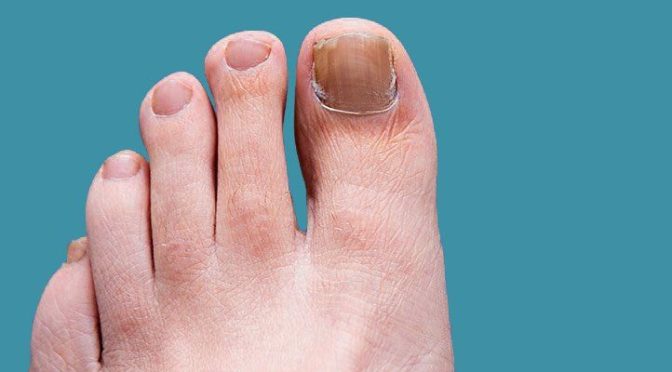
Toenail fungal issues can be a big hindrance to anyone wanting to confidently show off their feet. OTC treatments can be a good starting point, but sometimes they’re not enough. If you struggle with fungal infections, don’t wait until spring is already here to get the treatment you deserve. You can also be proactive against fungus by keeping your feet dry, even as humidity starts to creep in. 

Moisturize

Hydration is key to maintaining healthy, supple skin on your feet. After exfoliating, apply a thick, emollient-rich moisturizer to lock in moisture and prevent dryness. Look for products containing ingredients like shea butter, coconut oil, or glycerin for maximum hydration.

Trim Your Toenails

Trim your toenails straight across to prevent ingrown toenails and fungal infections. Avoid cutting them too short or rounding the corners, as this can increase the risk of painful ingrown nails. Use a nail clipper specifically designed for toenails and file any rough edges to smooth them out.

Wear Supportive Footwear

As you transition from winter boots to spring sandals, choose footwear that provides proper support and protection for your feet. Look for shoes with cushioned soles, arch support, and ample room for your toes to wiggle. Avoid shoes that are too tight or narrow, as they can cause blisters and other foot problems. Struggling to find a fit for your feet? Stop by North Texas Foot & Ankle and our team can get you properly fitted in supportive, comfortable shoes you’ll love. 

Protect Your Feet

Springtime activities like hiking, gardening, and outdoor sports can expose your feet to potential hazards like rough terrain, sharp objects, and insect bites. Wear appropriate footwear and consider using protective gear like blister pads or insect repellent to keep your feet safe and comfortable. If you’re struggling to find footwear to meet your needs

By following these tips, you can ensure that your feet are ready to step into spring with confidence and comfort. If you have any concerns about your foot health or need professional care, don’t hesitate to schedule an appointment with our experienced podiatrists at North Texas Foot & Ankle. We’re here to help you put your best foot forward this spring!

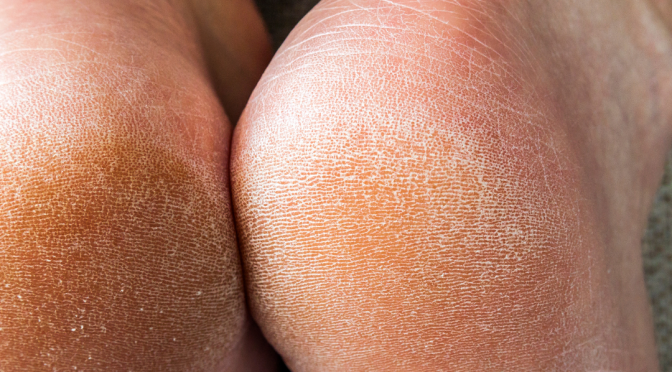
5 Tips to Prevent Dry, Cracked Feet

Dry, cracked feet can be uncomfortable, unsightly, and even painful if left untreated. As the body’s foundation, our feet deserve special attention and care to keep them healthy and happy. At North Texas Foot & Ankle, we’re committed to helping our clients maintain optimal foot health. Here are five tips to prevent dry, cracked feet:

Hydrate Regularly

Your skin is an organ that needs TLC — and that includes the skin on your feet! Proper hydration is essential for maintaining soft, supple skin all over your body. Drink plenty of water throughout the day to keep your body hydrated from the inside out. Additionally, apply a rich moisturizer to your feet daily, especially after bathing or showering, to lock in moisture and prevent dryness.

Exfoliate Gently

Dead skin cells can accumulate on the surface of your feet, leading to dryness and cracking. Incorporate gentle exfoliation into your foot care routine to remove these dead cells and promote healthy skin renewal. Use a pumice stone or foot scrub to slough off rough patches, but be careful not to over-exfoliate, as this can cause irritation.

Wear Proper Footwear

Ill-fitting or unsupportive footwear can exacerbate dry, cracked feet by causing friction and pressure points. Choose shoes that fit well and provide adequate support for your feet. Avoid wearing tight, narrow shoes or high heels for extended periods, as these can restrict blood flow and contribute to dryness and discomfort. If you’re looking for shoes that help your feet feel great, stop by North Texas Foot & Ankle! We’d be happy to fit you in a pair of new shoes that your feet will love!

Protect Your Feet

Exposure to harsh elements like cold weather or hot surfaces can strip moisture from your feet and lead to dryness and cracking. Wear socks and shoes to protect your feet from extreme temperatures and abrasive surfaces. Keep those socks dry, as wet socks and excess moisture can lead to other issues. Consider using a barrier cream or ointment to create a protective layer on your feet before venturing out into challenging conditions.

Practice Good Foot Hygiene

Maintaining proper foot hygiene is essential for preventing dry, cracked feet and warding off infections. Wash your feet daily with mild soap and warm water, taking care to dry them thoroughly, especially between the toes. Trim your toenails straight across to prevent ingrown toenails and fungal infections.

By following these simple yet effective tips, you can keep your feet feeling soft, smooth, and healthy all year round. If you’re experiencing persistent dryness, cracking, or other foot concerns, don’t hesitate to schedule an appointment with the expert team at North Texas Foot & Ankle. We’re here to help you put your best foot forward!

CN-U: A New Treatment Option in the Fight Against Toenail Fungus

North Texas Foot & Ankle is excited to introduce Clear Nail with Urea (CN-U), a new treatment option available in the struggle against toenail fungus.

About CN-U

Unlike many other topical formularies, this formula is registered and approved by the U.S. Food and Drug Administration (FDA) for use on nails. CN-U is a broad spectrum antimicrobial agent and is not only effective against molds, yeast and fungi, but also against a wide spectrum of bacteria. It is also safe as there is no measurable absorption or toxicity from this product.

How CN-U Works

CN-U strategically utilizes a FDA approved agent called dimethyl sulfoxide (DMSO) with 40% Urea to help successfully deliver the antifungal medication through the nail and into the nail bed. This results in a change in the consistency of the infected nail, leading to a more rapid normal appearance. In addition, this formula can be used in combination with other antifungal products helping to achieve a better overall outcome and cure rate.

The mixture of organisms of fungus and bacteria are usually harmless, however given an opportunity they can work together to form specialized biofilms within the nail making it even more difficult to treat and for any topical agent to penetrate.

The purpose of CN-U is to target these other organisms that can contribute to abnormal color, and shape of the toenail that are less often treated compared to the larger known fungus and the mainstay antifungal medications alone.

About CN-U Treatment Options

As with any other treatment plan, non-compliance and lack of an effective product are the most common reason for poor outcomes and failure. Continued micro-trauma to the infected toenail from poor fitting shoes, pedicures, and environmental factors, likewise will prevent healing and can cause recurrence or progression of disease.  Even after complete clinic cure is apparent, we recommend a treatment plan be implemented to prevent recurrence.

Bottom line: CN-U covers more than just fungus. It penetrates, effective, safe and FDA approved.

If you struggle with fungal infections, CN-U might be right for you! We’d love to talk to you more about this incredible antifungal product and how it’s helping our North Texas Foot & Ankle patients. Click here to book an appointment.