Medical Passion is Founded in Family for North Texas Foot & Ankle’s Dr. Schmitz

Embarking on a journey to optimal foot and ankle health is more than a step in the right direction—it’s a stride towards overall well-being. For Dr. Stephen Schmitz, a distinguished foot and ankle specialist at North Texas Foot & Ankle, it encompasses an inherited commitment to enhancing lives through exceptional medical care.

Dr. Schmitz’s Family Inspiration

Dr. Schmitz’s practice with North Texas Foot & Ankle transcends the conventional, offering a unique blend of advanced medical care and a genuine understanding of the profound impact that healthy feet and ankles can have on one’s quality of life. That understanding was one that was passed down to him from an early age.

“Being from a medical family definitely influenced me,” Dr. Schmitz said. “Seeing how my parents sacrificed and efforts to help others. Seeing images and diagnoses from my dad’s nights on call kind of just made everything click and felt like it was what I was born and raised to do.”

However, he didn’t always find himself on the path to working as a podiatrist. 

“I went into engineering when I started college,” he said. “I grew up liking to build LEGOs and projects with my dad and it evolved into an enjoyment of working with my hands. After a couple years of engineering school, I felt like I wasn’t answering my calling so I took another look at medicine and realized that is where I needed to be. 

“Medicine just clicked for me and due to my enjoyment of working with my hands, a surgical field was an easy decision to make. Today, becoming a podiatrist fulfills my desire to work with my hands, rebuild, fix, and help others clinically and surgically.”

Care & Podiatry Go Hand-in-Hand for Dr. Schmitz

Thanks to his training, he’s able to help all facets of foot & ankle health. Dr. Schmitz sees patients suffering from ingrown toenails to diabetic complicated feed and everything in between. He’s even able to apply his own feet-related troubles to his patients, relating to them in ways they might not expect. That common ground can help them feel more comfortable opening up about their own problems and build a point of connection with their podiatrist. 

“I often discuss with patients good shoes and support for their feet. I am flat-footed and I know the pain of not supporting my feet,” Dr. Schmitz said. “I go over with the patients my own experience of getting inserts and the number of shoes I have tried to best support my own feet day to day to prevent my foot pain from exercising and standing during surgery.”

That personal connection is one of the things that differentiates North Texas Foot & Ankle from other podiatry providers in the area. 

“I like to make my patients feel like they have a friend and a place they can come to without judgment because you never know if one little detail from a conversation can shine a light on the cause of a patient’s pain,” Dr. Schmitz said. “If my patients do not feel like they can talk to me, then I am failing them.”

The Future is Bright for Podiatry

From an industry perspective, Dr. Schmitz is excited to see how his practice and treatments continue to evolve. 

“From the time I started the effort to get into medical school, through medical school, and into residency and practice, there have been complete shifts in ideologies of certain techniques and treatments,” he said. 

From clunky minimally invasive procedures in the late 80s and early 90s to the improved hardware of today, Dr. Schmitz said he’s excited to see how treatments will better serve his patients. 

“Podiatry is ever-evolving, from conference to conference, from article to article,” he said. “I have seen guide jigs and minimally invasive procedures take over and continue to advance. I see these types of devices as extremely promising, as they continue to better the outcomes I have seen in patients during residency and here in practice.”
The Perils of Wet Shoes: Trench Foot and Frostbite

Wet shoes: for most of us, they’re an inconvenience, a minor discomfort that we’d rather avoid. But the truth is, the consequences of getting stuck in wet shoes or going back into them can be more severe than you might think. In this blog, the team at North Texas Foot & Ankle explores two significant reasons why you should steer clear of wet footwear: trench foot and an increased risk of frostbite.

Trench Foot: A Painful Reminder of Neglect

Imagine this: you’re on an outdoor adventure, and you step into a puddle. It seems harmless enough, and it’ll dry eventually right? However, your soggy shoes and socks become a breeding ground for bacteria. The longer you ignore the situation, the worse it gets. Your feet become swollen, discolored, and incredibly painful. 

You’ve likely become a victim of trench foot. 

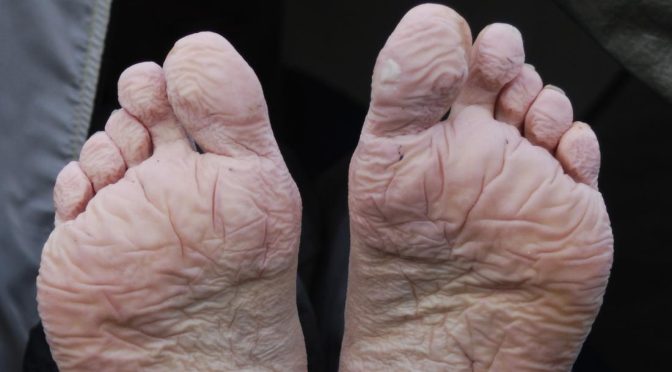
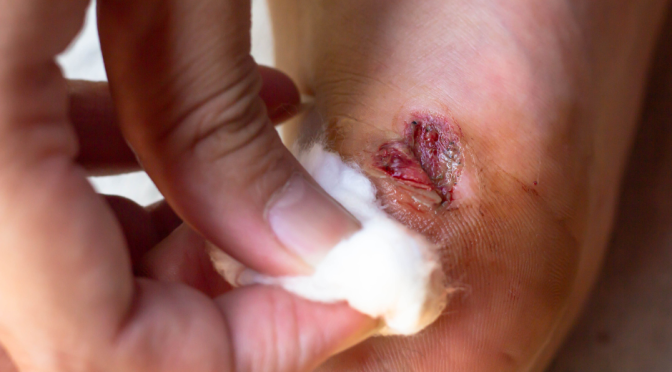
Trench foot, also known as immersion foot, may sound like a relic from the past. It’s often associated with the muddy trenches of World War I. However, it’s a very real condition even in 2023. Trench foot occurs when your feet are exposed to wet, cold conditions for extended periods. Prolonged moisture softens the skin, making it more susceptible to infection. If left untreated, trench foot can cause severe pain, blisters, and even tissue damage.

This condition is preventable, but it’s essential to stay vigilant, change into dry footwear, and keep your feet clean and dry to avoid the unpleasant experience of trench foot. If you suspect you’ve got trench foot, give our team at North Texas Foot & Ankle a call immediately.

Frostbite: A Chilling Consequence

Wet shoes not only expose you to the dangers of trench foot but also significantly increase your risk of frostbite. When your feet are wet, your body loses heat much faster. In cold conditions, this can be a recipe for disaster. While year-round snowy conditions aren’t a problem for us in Texas, they can be an issue for those who love traveling to colder climates for hiking, climbing, skiing, snowboarding and other wintery events. Frostbite occurs when the skin and underlying tissues freeze due to exposure to extreme cold.

Let’s say you’ve been hiking in wet shoes in below freezing temperatures. Your feet become increasingly cold and numb, and you might not even realize the extent of the damage until it’s too late. Frostbitten skin turns pale, hard, and can even blister or become black and dead. The consequences can be long-lasting, with potential damage to nerves, blood vessels, and even amputation in severe cases.

The key takeaway here is that the risk of frostbite significantly increases when your feet are wet. If you want to stay safe during your winter adventures, make sure your footwear is dry and insulated!

The perils of wet shoes extend beyond mere discomfort. Trench foot and frostbite are serious consequences that can arise when you neglect the importance of keeping your feet dry and warm. 

If you’re out in wet conditions and you know you’ll be out there for a while, always have a backup plan – extra socks and dry shoes – and take the time to change if your footwear becomes wet. Your feet will thank you, and you’ll avoid the painful, potentially life-altering consequences that come with the territory of wet shoes. The team at North Texas Foot and Ankle can help prevent your adventure from becoming a misadventure! If you struggle with foot and ankle health, book an appointment with us by visiting our appointment form or by giving us a call at 214-574-WALK (9255).

The Basics of Wound Care: Keeping Your Feet Healthy When Accidents Happen

Wounds can happen to anyone, anywhere, and taking care of them properly and quickly is essential for preventing infection and promoting healing. Foot wounds, however, can be tricky. Your feet are constantly in use and often exposed to the elements. There are some unique considerations when treating wounds on your feet that you wouldn’t need for cuts elsewhere on your body! The North Texas Foot & Ankle team is unpacking the fundamentals of wound care, with a special focus on how to keep wounds on your feet safe and healthy.

Cleanliness is Key

The first step in wound care is to keep the area clean. This is the first step for nearly any wound, cut or scrape you’d need to treat on your body. For wounds on the feet, this means gently washing the affected area with mild soap and lukewarm water. Make sure to remove any debris or foreign objects. Use a clean, soft cloth or sterile gauze to pat the area dry. Avoid using alcohol or hydrogen peroxide as they can be too harsh and delay healing.

Protection and Dressing

Protecting the wound is crucial, especially on the feet. Apply an antibiotic ointment to help prevent infection. Depending on the size and location of the wound, use an appropriate dressing. 

For smaller wounds, adhesive bandages (a standard Band-Aid) might suffice. Larger or more exposed wounds may require sterile gauze pads and adhesive tape. Change the dressing regularly, keeping the wound clean and free from infection. 

Elevate When Possible

With wounds on your foot, try to keep it elevated when sitting or lying down! This reduces swelling and promotes better blood circulation to the area, which can speed up the healing process.

Avoid Weight-Bearing

Most wounds are fine to walk on, but if the wound is large enough, you might have to lay off bearing a ton of weight. Minimize weight-bearing on the affected foot, especially if the wound is on the sole. It’s tricky, but avoiding excessive pressure on the wound will aid in faster recovery. Using crutches or a walking aid may be necessary, depending on the wound’s location and size. If you want tips, our team can help you out! 

Keep an Eye on Signs of Infection

Infections can slow down the healing process and even lead to more serious health issues. Watch for signs of infection, which may include increased redness, swelling, warmth, pain, or the presence of pus. If you notice any of these symptoms, give us a call at 214-574-WALK (9255).

Choose the Right Footwear

Proper footwear is crucial for wound care on the feet. Choose shoes that provide good support and cushioning to reduce pressure on the wound. Avoid open-toed shoes or sandals that expose the wound to dirt and potential injury. Well-fitting, breathable shoes with ample toe room are your best bet. Additionally, make sure your socks are clean and made of breathable fabric! 

Consult a Healthcare Professional

If the wound on your foot is deep, doesn’t heal, or shows signs of infection, consult a healthcare professional like the team at North Texas Foot & Ankle. We can provide the appropriate treatment, such as stitches, antibiotics, or wound care advice tailored to your specific needs. Book an appointment with us by visiting our appointment form or by giving us a call at 214-574-WALK (9255).

The Best Tips for Handling Arthritis Pain in Your Feet

Arthritis is a condition that affects millions of people worldwide, causing pain, stiffness, and reduced mobility. When arthritis targets your feet, it can significantly impact your daily life and overall well-being. At North Texas Foot & Ankle, we understand the unique challenges you face, and we’re here to provide you with some effective tips to help you manage arthritis pain in your feet and regain your quality of life.

Consult with a Specialist (Like Yours Truly)

Begin by scheduling an appointment with a foot and ankle specialist, like our team. A professional evaluation and diagnosis are crucial for understanding the extent of your arthritis and tailoring a personalized treatment plan.

After a thorough assessment, we’ll design a customized treatment plan tailored to your specific needs and arthritis type. This may include a combination of medication, physical therapy, orthotics, or assistive devices to manage your pain effectively.

Regular Exercise and Stretching

Engage in gentle exercises and stretches that focus on improving the flexibility and strength of your feet. Activities such as toe stretches, ankle rolls, and calf raises can help alleviate stiffness and increase mobility — even in arthritis patients!

Proper Footwear

Wear shoes that provide ample support and cushioning to reduce the pressure on your feet. Avoid high heels or shoes with inadequate arch support, as they can worsen arthritis symptoms. You can get fitted at our office and walk out with a new pair of shoes that are the best fit for your feet and lifestyle!

Weight Management

Maintaining a healthy weight is crucial for managing arthritis in your feet. Excess weight places added stress on your joints, exacerbating pain and discomfort. A balanced diet and regular exercise can help you achieve and maintain a healthy weight.

Hot and Cold Therapy

Applying heat or cold packs to your affected joints can provide relief from pain and inflammation. Warm foot baths and cold compresses can be especially soothing.

Medication Management

Follow your prescribed medications diligently. Pain relievers, anti-inflammatory drugs, or corticosteroid injections may be part of your treatment plan to manage arthritis pain effectively.

Maintain Good Posture

Good posture can actually offset quite a bit of pain. Pay attention to your posture, as it can impact your feet and overall comfort. Maintain proper alignment and posture when standing, walking, or sitting to reduce strain on your feet and joints.

Regular Follow-Ups

Stay consistent with your follow-up appointments and keep your foot and ankle specialist informed about any changes in your condition. Regular monitoring allows for adjustments to your treatment plan if needed.

At North Texas Foot & Ankle, we prioritize your comfort and mobility. Managing arthritis pain in your feet is possible with the right approach and guidance. By following these tips and working closely with our experienced team, you can take significant steps towards minimizing arthritis-related discomfort and enhancing your quality of life! Remember, your feet deserve the best care, and we’re here to provide it! Give us a call at 214-574-WALK(9255) to get started.

How to Handle Shin Splints

Ah, shin splints – the unwelcome visitor that can turn a great run or workout into a painful ordeal. With the temperature cooling, most runners are looking forward to the fall racing season (or at least easier long-run training!) 

If you’re an active person, chances are you’ve encountered these pesky lower leg pains at some point. But fear not! There are effective ways to manage and even prevent shin splints. Let’s explore a couple of crucial approaches: wearing the right footwear and easing into exercise.

The Importance of Proper Footwear

Your choice of footwear can make all the difference when it comes to preventing and managing shin splints. Ill-fitting or worn-out shoes can contribute to the development of shin splints and exacerbate existing ones. Here’s what you should consider:

Support and Cushioning

Invest in shoes with adequate support and cushioning, especially in the midsole and heel areas. This will help absorb the shock your feet experience during activities like running or jumping.

Proper Fit

Visit a specialized store to get your feet measured and analyzed. Ensure that the shoes fit properly, offering ample space for your toes and a snug fit around the heel and midfoot. Avoid shoes that are too tight or too loose. Consider brands like New Balance, Asics, Hoke’s, and Sauconys.

Arch Support

Depending on your arch type (low, normal, or high), you’ll need different levels of arch support. Choose shoes that cater to your specific arch needs for optimal comfort and support.

Regular Replacements

Don’t hold on to your favorite pair of sneakers for too long. Over time, the cushioning and support diminish. Aim to replace your shoes every 300-500 miles or every 6-12 months, depending on your activity level.  

Gradually Getting Into Exercise

Another crucial aspect of managing shin splints is easing into physical activity. Often, overzealous enthusiasm can lead to overexertion and subsequently shin splints. Here’s how you can gradually incorporate exercise to minimize the risk:

Warm-Up and Cool Down

Always start with a proper warm-up to prepare your muscles for the upcoming activity. Gentle stretching and dynamic movements can help. After your workout, cool down with some static stretches to aid muscle recovery.

Incremental Progress

Whether you’re starting a new exercise routine or ramping up an existing one, gradual progression is key. Begin with manageable levels of intensity and duration, then slowly increase them to prevent putting too much strain on your muscles.

Cross-Training

Mix up your workouts with a variety of exercises to prevent overuse of certain muscle groups. This not only reduces the risk of shin splints but also keeps your workouts exciting and engaging.

Listen to Your Body

If you start feeling any discomfort or pain in your shins, don’t ignore it. Listen to your body and give it the rest it needs. Pushing through pain can lead to more serious injuries. Most shin splints can take a couple weeks to heal up. If you’ve got to keep training, try activities like a stationary bike that offset the pressure applied to your shins. 

Shin splints might seem like a formidable opponent, but armed with the right knowledge and approach, you can conquer them! By taking care of your body and respecting its limits, you’ll not only prevent shin splints but also enjoy a fulfilling and pain-free active lifestyle. If you’re worried about shin splints or other foot-related concerns, give us a call at 214-574-WALK(9255). The team at North Texas Foot & Ankle is ready to help!

What to Do if You Have Flat Feet, Problems & How to Resolve Them

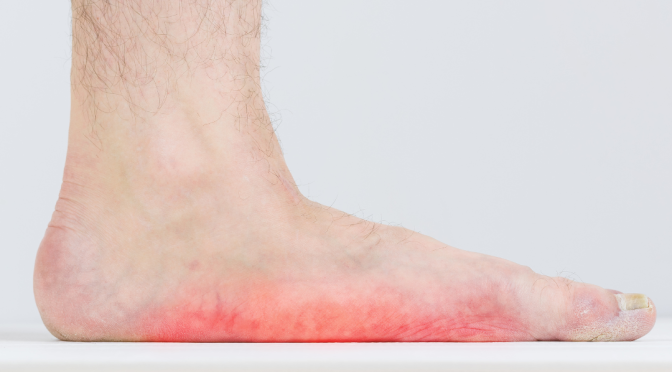
Flat feet, also known as pes planus, is a condition where the arches of the feet collapse, causing the entire sole to come into contact with the ground. This can result in various issues and discomfort, but fear not—there are effective ways to manage and alleviate these problems.

Understanding the Problems

  1. Pain and Discomfort: Flat feet can lead to pain and discomfort in the feet, especially after prolonged periods of standing or physical activity.
  2. Foot Fatigue: The lack of arch support can cause your feet to tire more quickly, making it challenging to stand or walk for extended periods.
  3. Misalignment and Posture Issues: Flat feet can contribute to misalignment in the body, affecting posture and potentially causing problems in the knees, hips, and lower back.

How to Resolve Flat Feet Issues

Wear Supportive Footwear

Invest in shoes with proper arch support and cushioning to alleviate discomfort. Avoid shoes that lack arch support or have thin soles.

Orthotic Inserts

Custom or over-the-counter orthotic inserts can provide the necessary arch support and distribute pressure evenly on your feet, reducing pain and fatigue.

Stretching and Strengthening Exercises

Regular exercises targeting the muscles in the feet and legs can help strengthen the arches and improve overall foot function. Try exercises like toe curls, heel raises, and calf stretches.

Maintain a Healthy Weight

Excess weight can worsen the strain on flat feet. Maintaining a healthy weight through a balanced diet and regular exercise can alleviate some of the discomfort.

Physical Therapy

Consult a physical therapist who can create a personalized exercise regimen to address flat feet and associated problems. They can guide you on specific exercises to strengthen muscles and improve your gait.

Consult a Podiatrist

If you experience severe pain or if your flat feet significantly impact your daily life, seek advice from podiatrists like the ones on our team! We can provide a tailored treatment plan and may recommend orthotics or other interventions. We’ve got a variety of shoes, orthotics and more that can help alleviate pain and keep you moving!

Having flat feet doesn’t mean you’re destined for a life of discomfort. With the right approach—appropriate footwear, exercises, and seeking professional guidance—you can manage and alleviate the problems associated with flat feet. If you’re tired of struggling through the pain of flat feet, let’s set up an appointment!

Minimally Invasive Bunion Surgery vs Lapiplasty: Understanding the Differences

Minimally invasive bunion surgery and the Lapiplasty procedure are both techniques used to treat bunions, but they differ in their approach, surgical methods, and outcomes. At North Texas Foot & Ankle, we want patients to be well-versed in both options. As we explain to our patients, the best procedure for one person is not necessarily the best for another. Some procedures allow you to walk much sooner meaning you may not have to use crutches for as long, and some require longer non-weightbearing. Depending on your foot type and symptoms, a specific procedure may be warranted over another.

Here are some key differences between the two main types of bunion procedures:

Surgical Approach

Minimally Invasive Bunion Surgery: This approach involves making smaller incisions and using specialized instruments to correct the bunion deformity. Surgeons typically use arthroscopy or other minimally invasive techniques to realign the bones and address soft tissue issues.

Lapiplasty: Lapiplasty is a specific type of minimally invasive bunion surgery that involves creating a “triple-cut” osteotomy, which means cutting the bone in three planes. This allows for more comprehensive correction of the deformity.

Bone Realignment

Minimally Invasive Bunion Surgery: Traditional minimally invasive techniques focus on correcting the bunion by addressing bone alignment and soft tissue imbalances. However, they may not provide the same level of stability as the Lapiplasty procedure.

Lapiplasty: Lapiplasty aims to correct the three-dimensional deformity of the metatarsal bone and provide more stable and anatomically accurate correction. It not only addresses the misalignment of the bone but also helps to stabilize the entire bone structure.

Fixation and Stability

Minimally Invasive Bunion Surgery: This approach may use screws, wires, or other fixation methods to hold the bones in the corrected position. However, the stability achieved can vary based on the technique and surgeon’s skill.

Lapiplasty: Lapiplasty uses specialized instrumentation and titanium plates with a “truss” design to secure the bones in the corrected position. This truss-like fixation provides enhanced stability and reduces the risk of recurrence.

Weight-Bearing and Recovery

Minimally Invasive Bunion Surgery: Recovery time can vary, but patients often transition to weight-bearing relatively quickly. However, the degree of weight-bearing allowed might depend on the specific surgical technique used.

Lapiplasty: Patients are typically allowed to bear weight on the treated foot earlier in the recovery process compared to some traditional surgical methods. The stability provided by the Lapiplasty fixation system contributes to this accelerated weight-bearing timeline.

Risk of Recurrence

Minimally Invasive Bunion Surgery: Recurrence rates for bunions can vary based on the specific technique used and the individual patient’s foot structure. Some minimally invasive techniques may have higher recurrence rates compared to Lapiplasty.

Lapiplasty: The Lapiplasty procedure is designed to address the root cause of bunions by correcting the three-dimensional deformity and providing stable fixation. As a result, it has been reported to have lower recurrence rates compared to some other methods.

When it comes to your options, it’s important to understand and communicate everything with your provider. At North Texas Foot & Ankle, our team is ready to talk to you if you’re struggling with bunion pain. Click here to book an appointment with our team.


3 Foot & Ankle Injuries Common in Teens

Adolescence is a time of growth, exploration, and increased physical activity for teens. As teens get more involved in sports, physical education, and hanging out with their friends, they can become more vulnerable to certain types of injuries. Foot and ankle injuries are particularly common among teens due to their active lifestyles and the rapid changes their bodies undergo during this phase. 

In this blog, we’ll discuss three common foot and ankle injuries seen in teenagers, explore why they are more susceptible, and provide tips for parents to help their teens prevent and manage these injuries.

Sprained Ankles

Teens are highly prone to sprained ankles due to their participation in sports that involve rapid changes in direction, jumping, and running. Overused ligaments from sports, growth spurts, and imbalanced muscle development can all contribute to increased susceptibility. To prevent sprains, encourage your teen to engage in regular ankle-strengthening exercises, wear proper footwear, and practice proper warm-up routines before any physical activity.

Stress Fractures

The bones of teenagers are still growing and strengthening, which makes them more susceptible to stress fractures – tiny cracks in the bones caused by repetitive stress. Teens who engage in high-impact activities like running or jumping or repetitive motion like marching band are at greater risk. Adequate rest, proper nutrition for bone health, and gradual increases in training intensity can help prevent stress fractures. If your teen complains of persistent pain, it’s essential to seek medical attention to rule out the possibility of a stress fracture.

Sever’s Disease

Commonly seen in active children and young teens, Sever’s disease is a condition that causes heel pain due to inflammation of the growth plate in the heel bone. As bones grow faster than muscles and tendons, tension on the Achilles tendon can lead to this condition. Teens participating in sports that involve running and jumping, such as soccer and baseball are particularly susceptible. To manage Sever’s disease, make sure your teen wears appropriate footwear with good arch support, neutral position shoe, and consider consulting a healthcare professional for treatment options like rest, ice, and stretches.

A Note for Parents

Parents play a pivotal role in helping their teens prevent and manage foot and ankle injuries. Have open communication about any discomfort or pain your teen experiences during physical activity. Don’t just say “push through the pain!” Encouraging your kid to keep going despite injury can lead to even more damage down the road. 

Promote a balanced approach to exercise, emphasizing the importance of proper warm-ups, cool-downs, and rest days. Invest in high-quality, supportive footwear that fits well and is suited for the specific activities your teen engages in. Regularly check in with your teen’s coaches and trainers to make sure they’re implementing safe training practices and that your kid is following them.

Being a teen is an exciting time. We don’t want that excitement hampered by injury. The team at North Texas Foot & Ankle can help. . Our incredible professional team can assess your issues, provide an accurate diagnosis, and recommend appropriate treatment options. Give us a call at 214-574-WALK(9255). The team at North Texas Foot & Ankle is ready to help!

Desk Treadmills & Your Feet: What to Keep in Mind Your Work-from-Home Space

This year, a new trend has emerged and made waves on social media everywhere: the integration of desk treadmills into home offices. As more people look for ways to balance their professional responsibilities with the need for an active lifestyle, desk treadmills have gained popularity as a solution that allows you to stay on your feet while staying productive.

However, this relatively simple and trendy piece of equipment can lead to injuries if you’re not careful. Here are a few foot and ankle safety considerations to keep in mind when using desk treadmills: 

You Likely Have to Adjust Your Natural Stride

Remember that your desk treadmill is likely shorter and narrower than what you’re used to. Keep an eye on your stride length; you might have to take shorter strides to adjust for the treadmill’s length. If you’re not careful, changing your stride can lead to injury over time. You might also notice that your desk treadmill’s tread isn’t as robust as what you’re used to. If the treadmill feels slick, be sure to find supportive shoes with a good grip rather than a worn sole. 

Your Feet Can Suffer from Overuse

Desk treadmills are designed for lower speeds and prolonged use, making them ideal for steady movement throughout the day rather than high-intensity training sessions. Some desk treadmills also max out their usage time to 45-60 minutes. However, if you launch into using the desk treadmill every day from a sedentary lifestyle, you put yourself at risk of injury. Your feet and ankles aren’t used to that much repetitive use over time. Slowly increase your mileage and/or time on any treadmill — including your desk treadmill. 

Walking Pads Still Require Appropriate Footwear

There are plenty of perks to having a desk treadmill. However, it’s still a treadmill and thus, anyone using it should still wear appropriate walking footwear. Even though you’re not running or engaging in high-intensity exercise, your feet still need the right support and cushioning. 

Wearing proper footwear helps you maintain proper alignment, minimize strain on your joints, and prevent discomfort during your work hours. Opt for shoes that provide ample arch support, cushioning, and stability, helping you transition seamlessly between walking and working without compromising on comfort. If you struggle with finding the right shoe for yourself, feel free to reach out to our team! 

Keep and Eye on Your Balance

Remember that most desk treadmills don’t have bars. (This makes it easier for them to slide under a standing desk or couch for storage.) If you struggle with stability issues or find yourself holding onto a standard treadmill’s railings while walking, consider finding another piece of at-home equipment to help you stay active. Not having stability can lead to your foot or ankle rolling as you try to catch yourself falling from the treadmill. 

As you consider incorporating one into your home office, don’t forget the importance of proper footwear to support your foot health! If you’re struggling with foot pain or lacking proper footwear, consult with a foot and ankle specialist like those at North Texas Foot & Ankle. Our incredible professional team can assess your issues, provide an accurate diagnosis, and recommend appropriate treatment options. We also sell supportive shoe options to help people struggling with prior foot & ankle injuries. Give us a call at 214-574-WALK(9255). The team at North Texas Foot & Ankle is ready to help!


Ingrown Toenails: Why You Shouldn’t Ignore Them, Especially This Summer

With summer in full swing, the last thing anyone wants to ruin their fun is a nagging pain in your big toe. If you’re struggling with that issue, you might be dealing with a dreaded ingrown toenail. The team at North Texas Foot & Ankle knows that you don’t want to let this issue linger, especially during the summer. So, let’s dive into why you should handle ingrown toenails sooner rather than later, and how you can enjoy the sunny season without any foot woes!

What’s the Fuss About Ingrown Toenails?

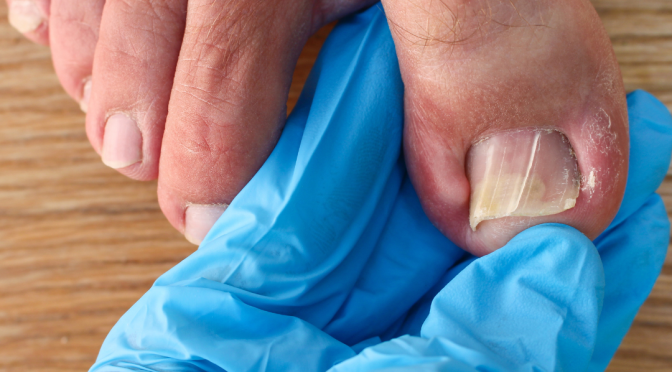
Ingrown toenails are when the edge of your toenail grows right into the tender skin surrounding it. They can cause pain, redness, swelling, and even lead to infection if not taken care of promptly. It can even make your toe feel hot to the touch if severe enough.

Don’t Let Ingrown Toenails Spoil Your Summer Fun

Summer is all about frolicking on sandy beaches, dancing at outdoor festivals, and hiking through scenic trails. The last thing you need is an ingrown toenail slowing you down and putting a damper on your adventures. That’s why it’s essential to tackle ingrown toenails head-on. 

Prevention Is Key

There are ways to keep ingrown toenails at bay. First, trim your toenails straight across, avoiding the temptation to curve the edges. This simple technique can work wonders in preventing ingrown toenails from cropping up. Also, don’t pick at your toenails if one gets snagged or slightly torn. Picking can allow germs from your hands to slip under the nail, increasing your risk of infection and your chances of an ingrown toenail. 

Don’t Ignore the Signs of Ingrown Toenails

The worst thing you can do is ignore an ingrown toenail, hoping it’ll magically disappear. Ignoring the problem will only allow it to fester and worsen, leading to more pain and discomfort. So, if you notice any signs of an ingrown toenail, like pain, redness, or swelling, don’t put off seeking help – your feet will thank you!

DIY Home Remedies Might Not Cut It

Some of you might be tempted to whip out your nail clippers and attempt a DIY ingrown toenail surgery. While a bit of soaking your feet in warm water and gently lifting the corner of the ingrown nail might help initially, it’s not a long-term solution. In fact, improper trimming can make matters worse and lead to more pain and infection. Step away from the clippers and put your trust in a professional like those at North Texas Foot & Ankle.

Seek Professional Help – Podiatrists to the Rescue!

As we just mentioned, when dealing with an ingrown toenail, don’t hesitate to reach out to a podiatrist. They know their stuff and can provide the best care for your ingrown toenails as well as countless other issues. They’ll know how to relieve the pain, treat and prevent any infections, and even show you how to prevent future issues from ruining your summer plans.

Stay Sandal-Ready

We all know how much people love flaunting perfectly pedicured toes in stylish summer sandals. Taking care of ingrown toenails now will ensure you can keep doing that! Show some love to your feet, and they’ll be ready to rock open-toed shoes all summer long.

Don’t let this pesky problem rob you of your fun in the sun. Specialists like those at North Texas Foot & Ankle are ready to help! Our incredible professional team can assess your issues, provide an accurate diagnosis, and recommend appropriate treatment options. Give us a call at 214-574-WALK(9255). The team at North Texas Foot & Ankle is ready to help!