
Beat the Summer Foot Fungus Blues: Keep Your Feet Dry and Happy

It’s that time of the year again when we trade in our sneakers and boots for flip-flops and let our feet breathe in the warm summer breeze. But before you start skipping around in those cute open-toed shoes, there’s one pesky problem that often rears its ugly head during this season: foot fungus. 

Don’t let it dampen your summer spirit – let’s dive into how you can protect your precious feet and keep them dry, safe, and ready for all the summer fun!

Why Does Foot Fungus Love Summer?

You might be wondering, “Why does foot fungus seem to love the summer so much?” The answer lies in the perfect environment it finds in our sweaty shoes and moist environments like public pools and communal showers. When our feet are trapped in warm and damp conditions, fungus thrives.

Some foot fungus issues you might see pop up include: 

  • tinea veriscolor
  • tinea pedis (aka Athlete’s Foot)
  • onychomycosis
  • & others!

Here are a few ways you can keep your feet safe from fungal infections even when the humidity continues to rise. 

Embrace Breathable Footwear

As tempting as those funky, rubbery flip-flops might be, they’re not doing your feet any favors. Instead, opt for sandals made from breathable materials like leather or canvas. These materials allow air circulation, reducing the risk of excessive moisture buildup. Plus, they’ll also give your feet some extra wiggle room to prevent irritation.

Change Socks Regularly

Let’s be honest – we all love wearing those fun patterned socks, but in the summer, it’s best to avoid heavy, non-absorbent fabrics. Opt for moisture-wicking socks made from materials like bamboo or moisture-absorbing blends. Changing socks frequently throughout the day, especially after intense activities or sweating, can make a significant difference in keeping your feet dry and fungus-free.

Keep Your Feet Dry

The battle against foot fungus is all about keeping your feet dry, and that means drying them thoroughly after bathing or swimming. Use a clean towel to pat them dry gently, paying extra attention to the spaces between your toes. If you’re out and about, bring along some foot powder or antifungal spray to keep your feet feeling fresh and dry all day long.

Rotate Your Shoes to Prevent Foot Fungus

We all have our favorite pair of summer shoes, but wearing the same pair every day can spell trouble for your feet. By rotating your shoes, you give them a chance to air out and reduce the accumulation of moisture and bacteria. It’s a simple yet effective way to maintain happy and healthy feet all summer long.

Beware of Communal Areas During Summer

Summer is a time for community pool parties and beach vacations, but these public areas can also harbor foot fungus. Be cautious when walking barefoot in communal showers, pool decks, and changing rooms. Wearing water-resistant flip-flops or sandals in these areas can provide a protective barrier between your feet and the lurking fungi.

Choose the Right Nail Salon

Pampering yourself with a pedicure is an absolute delight, but make sure to choose a reputable nail salon with proper sanitation practices. Nail tools that aren’t cleaned properly can spread fungal infections, so it’s essential to prioritize cleanliness and hygiene.

Consider Antifungal Treatments

If you’ve had a previous encounter with foot fungus or notice any signs of infection, don’t delay in seeking treatment. Over-the-counter antifungal creams or powders can help in mild cases, but for persistent infections, it’s best to consult a healthcare professional for proper diagnosis and treatment. If OTC antifungals don’t seem to be cutting it, see the team at North Texas Foot & Ankle ASAP. 

In short, embrace breathable footwear, keep your feet dry, and be mindful of your surroundings. Your feet will thank you, and you’ll be ready to take on all the adventures summer has to offer without a worry in the world. Does foot fungus or athlete’s foot worry you during the summer months? Consult with a foot and ankle specialist like those at North Texas Foot & Ankle. Our incredible professional team can assess your issues, provide an accurate diagnosis, and recommend appropriate treatment options. Give us a call at 214-574-WALK(9255). The team at North Texas Foot & Ankle is ready to help!
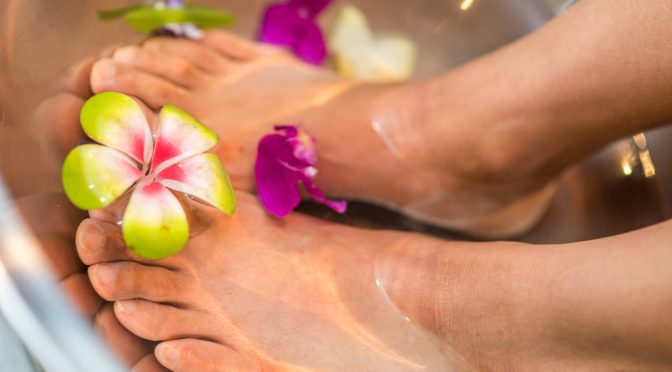

5 Reasons You Should Prioritize the Health of Your Feet

Our feet often go unnoticed and underappreciated. However, at North Texas Foot & Ankle, we see just how critical foot and ankle health is every single day. They bear the weight of our bodies, support us through countless steps, and let us participate in our favorite pastimes. However, foot health is frequently overlooked, leading to a range of problems that can impact our overall health and happiness. Let’s explore the importance of foot health and the profound impact foot problems can have on our overall health.

Feet Establish Your Mobility and Maintain Independence

Healthy feet are essential for maintaining mobility and independence. Foot problems, such as bunions, corns, or ingrown toenails, can significantly restrict our ability to walk comfortably. This can limit our overall mobility, making it challenging to perform daily tasks and participate in activities we enjoy. Ankle instability can also complicate our freedom to walk or run wherever we want. By prioritizing foot and ankle health, we improve our ability to maintain an active and independent lifestyle even as we age!

Feet Keep Your Posture and Alignment in Check

The health of our feet directly influences our posture and overall body alignment. Imbalances in foot structure, such as flat feet or over-pronation, can disrupt the body’s alignment, leading to issues like knee, hip, or back pain. By taking care of our feet and addressing any underlying foot problems, we can reduce the risk of musculoskeletal issues and maintain good posture, contributing to overall physical well-being.

Foot Health can Prevent Secondary Problems

We often tell patients that your feet are the foundation to health. If left untreated, your foot and ankle problems can cause secondary health issues. For example, diabetic foot ulcers or peripheral neuropathy can lead to serious complications — including infections and (in extreme cases) amputation. Another common example can also be unaddressed foot pain causing runners and athletes to overcompensate with other parts of their body. Those imbalances can compromise running form and lead to further injuries like shin splints or knee pain. By prioritizing foot health, regular foot inspections, and early intervention, our team can identify and address potential problems before they escalate. Taking proactive measures can prevent severe complications and safeguard overall health.

Feet Have an Impact on Physical Activity

This is one of many reasons people come to see us for foot issues — because pain is stopping them from being active and doing what they love. However, it can go deeper than that! Whether it’s walking, running, or participating in sports: foot pain or discomfort can be a deterrent to doing what we love. By maintaining foot health and promptly addressing any foot issues, we can improve our ability to continue to do what we enjoy and reap the benefits of an active lifestyle.

Foot Health can Weigh on Your Psychological Well-being

The impact of foot problems extends beyond physical health, affecting our mental well-being. Chronic foot pain can lead to frustration and irritability. Not being able to maintain an active lifestyle can even lead to other medical conditions. Foot problems may limit social interactions and participation in social or recreational activities. By addressing foot issues and maintaining foot health, we’re also promoting a positive mental outlook! 

Our feet are the foundation of our bodies, and their health should never be underestimated. Let’s give our feet the attention and care they deserve, as healthy feet lead to a healthier and happier life overall.  Are you struggling with your foot and ankle health? Want a team you can trust to help you through foot issues? Give us a call at 214-574-WALK(9255). The team at North Texas Foot & Ankle is ready to help!
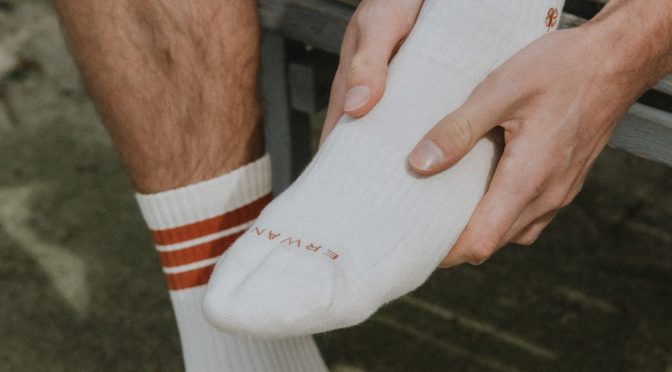
Ankle Instability: Unpacking Why Your Weak Ankles Could be a Sign of Something More

No matter if you’re an Olympic sprinter or someone on-the-go, your ankles are critical to your mobility and overall health. At North Texas Foot & Ankle, we’ve seen how ankle instability can impact our patients’ lives. Here are a few signs of ankle instability, causes, and the importance of paying attention to your ankles. 

Understanding Ankle Instability

Ankle instability refers to a condition characterized by a recurring sensation of the ankle “giving way” or feeling unstable during weight-bearing activities. This issue often happens after a previous ankle sprain wasn’t adequately treated or rehabilitated. While sprains typically heal over time, in some cases, the ligaments that provide stability to the ankle may become weakened or stretched. This leads to persistent instability.

What are the signs of Ankle Instability?

  1. Recurring ankle issues: People with ankle instability are prone to recurrent sudden weakness issues. This can be anything from experiencing sudden twists or rolls, even during simple activities like walking on uneven ground.
  2. Persistent discomfort: Chronic pain or discomfort in the ankle, especially during or after physical activities, can indicate ankle instability. The pain may be accompanied by a feeling of weakness or a lack of stability.
  3. Swelling and tenderness: Ankle instability can cause recurring swelling and tenderness around the ankle joint, particularly after an episode of instability or injury.
  4. Limited range of motion: People with ankle instability may notice a reduced ability to move their ankle freely. They might experience stiffness or a sense of tightness in the joint.

Why You Should Pay Attention to Your Ankles

Preventing further injuries

Ignoring ankle instability increases the risk of recurrent sprains and related injuries. By addressing the issue early on, you can reduce the chances of more severe complications, such as chronic pain, joint damage, and prolonged recovery periods. 

Maintaining an active lifestyle

Healthy ankles are crucial for maintaining an active and mobile lifestyle. Whether you enjoy jogging, hiking, playing sports, or engaging in everyday activities, strong and stable ankles are essential for optimal performance and injury prevention. This is especially important for athletes who don’t want to miss out on more of their seasons than they have to. By taking a preventative approach to your ankle health, you can ensure you’re back to your sport faster than if you ignored ankle instability. 

Preserving overall well-being

We’ve talked about this time and again on the blog, but we can’t stress this enough: foot and ankle health can significantly impact your overall well-being. Walking, exercising, and participating in recreational activities become challenging when ankle instability limits your mobility. By addressing ankle instability, you can maintain an active lifestyle, improve your quality of life, and reduce the risk of further health issues.

Worried about ankle instability, or have you experienced any of the signs above? Consult with a foot and ankle specialist like those at North Texas Foot & Ankle. Our incredible professional team can assess your issues, provide an accurate diagnosis, and recommend appropriate treatment options. Are you struggling with your foot and ankle health? Want a team you can trust to help you through foot issues? Give us a call at 214-574-WALK(9255). The team at North Texas Foot & Ankle is ready to help!

At-Home Stretches to Help with Plantar Fasciitis

Plantar fasciitis is a common condition that affects the plantar fascia, a thick band of tissue connecting the heel bone to the toes. It causes pain and discomfort in the heel or arch of the foot, making simple activities like walking or standing a challenge. While various treatments are available, stretching exercises play a crucial role in relieving pain and promoting healing. We’ve got some easy and effective stretching exercises for plantar fasciitis that you can do at home and incorporate into your daily routine!

Calf Stretch

Tight calf muscles can contribute to the development and exacerbation of plantar fasciitis. To stretch your calf muscles, stand facing a wall with your hands resting on it at shoulder height. Take a step forward with your unaffected leg and bend it while keeping your affected leg straight and the heel on the ground. Lean forward until you feel a gentle stretch in your calf. Hold the stretch for 30 seconds and repeat three times on each leg.

Plantar Fascia Stretch

Sit on a chair and place your affected foot over your opposite knee. Using your hand, gently pull back your toes towards your shin until you feel a stretch in the arch of your foot. Hold the stretch for 15-30 seconds and repeat three times. This exercise targets the plantar fascia directly and helps relieve tension in the affected area.

Towel Stretch

Sit on the floor with both legs straight out in front of you. Place a towel around the ball of your affected foot and hold the ends with both hands. Gently pull the towel towards you while keeping your knee straight. You should feel a stretch in the back of your calf and the bottom of your foot. Hold the stretch for 15-30 seconds and repeat three times. The towel stretch helps stretch the calf muscles and the plantar fascia simultaneously.

Big Toe Stretch

Sit on a chair and cross your affected foot over your opposite knee. Grab your big toe and gently pull it towards you, stretching the bottom of your foot. Hold the stretch for 15-30 seconds and repeat three times. This exercise targets the muscles and fascia in the arch of the foot, providing relief from plantar fasciitis pain.

Marble Pickup

Place a few marbles on the floor and place a cup next to them. Using only your toes, pick up the marbles one by one and drop them into the cup. Repeat this exercise for a few minutes each day. In addition to being a fun way to flex your feet, the marble pickup exercise strengthens the muscles in your feet and helps improve flexibility and mobility.

For all of these stretches, it’s important to note that you should never stretch past the point of pain. These stretches are meant to alleviate pain, not add to it! Incorporating stretching exercises into your daily routine can be highly beneficial for relieving pain and promoting healing in cases of plantar fasciitis. 

Remember to start slowly and gradually increase the intensity and duration of the stretches. If you experience severe pain or discomfort, consult a healthcare professional before continuing with the exercises. Along with stretching, it’s essential to wear supportive shoes, apply ice to the affected area, and avoid activities that aggravate the condition. If you’re struggling with plantar fasciitis or other foot pain, stop fighting through injury and give us a call at 214-574-WALK(9255). The team at North Texas Foot & Ankle is ready to help!
5 Tips for Healthy Feet During the Summer

With summer just around the corner, it’s time to break out those sandals and give your feet some well-deserved fresh air. However, it can be tricky to make sure your feet stay healthy and comfortable during this season of outdoor activities and warm weather. Neglecting foot care can lead to a host of issues like blisters, fungal infections, and dry skin. To keep your feet in tip-top shape, here are five valuable tips for maintaining healthy feet this summer.

Choose Proper Footwear

When it comes to summer footwear, opt for shoes that provide ample support and breathability. Avoid excessively tight or narrow shoes, as they can cause discomfort and lead to problems like bunions or ingrown toenails. Look for sandals or open-toed shoes with cushioning and arch support to minimize strain on your feet. You can also think about getting moisture-wicking socks to prevent excessive sweating and reduce your chances of a fungal infection. 

Keep Feet Clean and Dry

Summer often means increased sweat and moisture, making it crucial to maintain proper foot hygiene. Wash your feet daily with mild soap and warm water, paying attention to the spaces between your toes. After washing, make sure that your feet are completely dry before putting on shoes or socks. Moisture left on the feet can create an ideal environment for bacteria and fungi to thrive, leading to unpleasant conditions like athlete’s foot or odor. For athletes looking to embrace an outdoor workout, think about bringing another pair of dry socks with you to wear post-workout. 

Prioritize Protection

Any time you go outdoors, your feet are exposed to a variety of elements — and that exposure goes up significantly if you’re in flip flops or barefoot. Remember to apply sunscreen on the tops of your feet to guard against harmful UV rays. Wearing water-resistant shoes or sandals near pools, beaches, or communal areas can also help minimize the risk of contracting infections like plantar warts or fungal infections.

Exfoliate and Moisturize

Keep your feet soft and smooth by incorporating regular exfoliation and moisturizing into your foot care routine. Use a gentle foot scrub or pumice stone to remove dead skin cells and calluses, paying particular attention to rough areas like heels. Afterward, apply a nourishing foot cream, lotion or moisturizer to keep your skin hydrated, but keep the area between toes dry. Well-moisturized feet are less prone to cracking and dryness, ensuring comfort and preventing potential infections.

Embrace the Ice

With the heat and humidity of the summer, it’s common for your feet to swell and sweat far more than usual! Grab some ice water and soak your feet for 5-10 minutes. This can help reduce the swelling and leave your feet feeling refreshed after a long day outside or at the beach. 

This summer, prioritize the health and well-being of your feet with these five simple yet effective tips. Remember, healthy feet are happy feet, so don’t neglect this vital part of your body, and enjoy the season to the fullest! If you’re worried about going into summer with a nagging injury or foot-related concern, give us a call at 214-574-WALK(9255). The team at North Texas Foot & Ankle is ready to help!
Foot and Ankle Care for People with Diabetes: Tips and Strategies for Maintaining Good Foot Health

Roughly 37 million people in the US have diabetes. Of those millions, roughly half struggle with nervous system damage to their feet or hands caused by diabetes. This major complication means that diabetics have to take exceptional care of their feet. High blood sugar levels can cause nerve damage and poor blood flow, making it difficult for the feet to heal properly. In this blog post, we will discuss some tips and strategies for maintaining good foot health for people with diabetes.

Keep your feet warm

Because of the poor circulation, diabetics should aim to keep their feet warm to promote circulation. Washing your feet each day in warm (not hot) water can promote blood flow and alleviate some of the problems. 

Check your feet daily

It’s essential to examine your feet every day, looking for any cuts, blisters, or other abnormalities. Even the smallest cut can put diabetics at risk for infection. Check between your toes as well! If you have trouble seeing your feet, use a mirror or ask a family member for help.

Keep your feet clean and dry

Wash your feet daily with warm water and mild soap. Make sure to dry your feet thoroughly, especially between the toes. Moisture can lead to fungal infections, so it is essential to keep your feet dry.

Moisturize your feet

Dry skin can lead to cracking and itching, which can increase the risk of infection. Use a moisturizer on your feet daily, but avoid applying it between the toes, as it can lead to fungal infections.

Wear proper shoes and socks

Wearing well-fitting shoes and socks is crucial for people with diabetes. Shoes should be comfortable and have enough room for your toes. Socks should be made of breathable materials and should not be too tight around the ankles. When you’re shopping for new shoes, aim to try on shoes toward the end of your day when you’ve been on your feet a lot. This will give you a better picture of how much your feet swell and reduce the risk of picking a too-small size.

Protect your feet

Walking barefoot may sound great to some, but for diabetics, it can be risky. Avoid walking barefoot, as it can lead to cuts and injuries. Wear protective shoes or sandals in public places, such as pools or locker rooms. (By the way, wearing shoes in locker rooms is also sanitary for everyone!) This also means finding feet-friendly activities that reduce the risk of cuts and scrapes on your feet. The CDC recommends swimming, biking, or running!

Cut your toenails carefully

Trim your toenails straight across and avoid cutting them too short. Gently file them. If you have trouble cutting your toenails, you can ask a podiatrist for help.

See a podiatrist regularly

A podiatrist can help you maintain good foot health by examining your feet for any abnormalities, such as cuts or blisters. They can also help you manage any foot problems you may have.

Foot and ankle care is essential for people with diabetes to prevent complications. By taking care of your feet, you are taking care of your overall health. If you’re a diabetic struggling with protecting your feet, give us a call at 214-574-WALK(9255). The team at North Texas Foot & Ankle is ready to help! We can provide a better understanding of your neuropathy as well as find ways to boost circulation to your feet.

6 Signs It’s Time to Seek Professional Help from Foot and Ankle Specialists

Our feet and ankles allow us to get through a lot in our daily lives. They support our body weight, allow us to stand, walk, and run. They help us maintain balance and stability. Feet and ankles are also complex; each foot has 26 bones and 33 joints! Unfortunately, this means that foot and ankle problems are all too common, and those problems can significantly impact our quality of life. Some problems heal with rest and recovery. Other issues won’t go away without professional treatment like what you’d find at North Texas Foot & Ankle. Here are six signs that it’s time to seek help from a professional:

Chronic pain

Chronic, persistent pain is never something you should suffer through with your feet. If you’re experiencing persistent pain in your feet or ankles, it’s time to see a specialist. Chronic pain can be a sign of a more serious problem, such as arthritis, nerve damage, or a stress fracture. A foot and ankle specialist can help you determine the cause of your pain and develop a treatment plan to manage your symptoms.

Difficulty walking or standing

If you’re having trouble walking or standing for extended periods, it may be a sign of a more severe problem. For instance, you may have a condition that affects your balance or stability, or you may have an injury that’s causing difficulty. However, you won’t know until you see a pro! A foot and ankle specialist can evaluate your symptoms and develop a treatment plan that addresses your specific needs.

Swelling or redness

Swelling and redness in your feet or ankles can be a sign of an injury or an infection. If you notice these symptoms, seek help ASAP. A foot and ankle specialist can evaluate your symptoms and recommend the appropriate treatment, which may include medication, rest, or physical therapy. Swelling, tenderness, and warmth can all be indicators of a more serious issue. 

Limited range of motion

Healthy feet and ankles have a wide range of motion! One of the first signs something is wrong, however, is not being able to move your feet through a normal range of motion. If you’re having trouble moving your feet or ankles, it may be a sign of a more severe problem, such as a torn ligament or a broken bone. A foot and ankle specialist can evaluate your symptoms and develop a treatment plan that addresses your specific needs, such as physical therapy or surgery.

Numbness or tingling

Numbness or tingling in your feet or ankles can be a sign of a nerve-related problem, such as neuropathy or sciatica. A foot and ankle specialist can evaluate your symptoms and recommend the appropriate treatment, which may include medication, physical therapy, or surgery.

Deformities

If you’re noticing deformities in your feet or ankles, such as bunions, hammertoes, or flat feet, foot & ankle specialists can help. These conditions can worsen over time and cause significant pain and discomfort. Specialists like the ones at North Texas can evaluate your symptoms and recommend the appropriate treatment, which may include custom orthotics, physical therapy, or surgery.

If you’re experiencing any of the symptoms mentioned above, it’s essential to seek professional help from a foot and ankle specialist like the team at North Texas Foot & Ankle! We can evaluate your symptoms, determine the cause of your problem, and develop a treatment plan that addresses your specific needs. 

Remember, taking care of your feet and ankles is critical to your overall health and wellbeing, so don’t hesitate to seek professional help if you need it. If you’re worried about going into summer with a nagging injury or foot-related concern, give us a call at 214-574-WALK(9255). The team at North Texas Foot & Ankle is ready to help!

How Athletes Can Take Care of Their Feet This Summer

As summer approaches, athletes should take extra precautions to keep their feet safe during training and competition. With warmer weather and outdoor activities, it’s important to protect your feet from injury and infection. Here are some tips on how athletes can keep their feet safe over the summer.

Wear Proper Footwear 

This should go without saying, but make sure you’ve got the right shoes on for the sport you’re doing! Wearing the appropriate footwear for your activity is crucial to preventing foot injuries. Athletic shoes should be comfortable and provide adequate support for your feet and ankles. Make sure to replace old or worn-out shoes to prevent foot pain or injury. Runners, this is especially important for you all, as worn-out shoes can compromise your running form and lead to a host of other injuries. It is recommended for active people to replace running shoes every 200-400 miles and recommended to cycle between multiple pairs of running shoes.

runner with shoes off stretching feet to prevent injury

Use Sunscreen 

Whether you’re training barefoot on a beach or relaxing in a pool after a hard workout, your feet get a lot of sun exposure during the summer months. Feet are often neglected when applying sunscreen, but they are just as susceptible to sunburn as the rest of your body. Apply sunscreen with at least SPF 30 to your whole body including your feet before going outside, especially if you will be training or competing barefoot for an extended period. 

Stay Hydrated 

Your body is made up predominantly of water, so staying hydrated is key for your entire body to function properly during summer training seasons! Along with keeping your joints lubricated, water keeps your skin healthy. Excessive dehydration can cause dry, cracked skin on your feet, which can lead to infection. Make sure to drink plenty of water before, during, and after exercise to keep your feet hydrated.

Keep Your Feet Clean and Dry 

Sweat and moisture can lead to bacterial and fungal infections, such as athlete’s foot. After training or competition, wash your feet with soap and water and dry them thoroughly, especially between your toes.

Check Your Feet Regularly 

Regularly inspect your feet for any signs of injury or infection, such as blisters, cuts, or redness. It’s normal for your feet to get some wear and tear as you train throughout the summer, but don’t downplay any issue that’s unfamiliar to you! If you notice anything weird (especially early signs of infection), seek medical attention to prevent further issues.

Take Breaks 

Training and competing for extended periods can put a lot of stress on your feet, especially during the summer. Take breaks during activities to give your feet a rest and prevent overuse injuries, such as plantar fasciitis or stress fractures. Kick your feet up and relax! It’s the summer, after all!

Athletes, Use Protective Gear 

If you’re participating in contact sports, don’t skimp out on using protective gear such as shin guards or toe caps to prevent foot injuries. Staying protected can keep you in the game longer!

Stretch and Strengthen 

Stretching and strengthening your feet and ankles can improve your foot health and prevent injuries. Incorporating exercises such as calf raises and toe curls into your training routine to strengthen your feet.

Keeping your feet safe during the summer requires proper care and attention. By following these tips, athletes can stay healthy and continue to perform at their best during the summer months. If you’re worried about going into summer with a nagging injury or foot-related concern, give us a call at 214-574-WALK(9255). The team at North Texas Foot & Ankle is ready to help!

Tips for Handling Ingrown Toenails Before Summer & Sandal Season

Summer is a time for sandals, flip-flops, and spending time outside. However, if you’re dealing with an ingrown toenail, wearing shoes can be painful and uncomfortable. Ingrown toenails can be caused by a variety of factors, including genetics, trauma to the nail, and poor nail care. Luckily, there are steps you can take to handle ingrown toenails before the summer, so you can enjoy the warmer weather without pain.

Wear comfortable shoes

Avoid wearing tight, narrow shoes that put pressure on your toes. Instead, opt for shoes with a wide toe box that gives your toes room to move. Wearing comfortable shoes can help prevent ingrown toenails from getting worse.

Trim your toenails properly

Trimming your toenails properly can help prevent ingrown toenails from occurring in the first place. Use toenail clippers to trim your nails straight across, and avoid cutting them too short or rounding the edges. 

If you have trouble cutting your own toenails, consider seeing a podiatrist for help.

Don’t pick at the nail

Picking at the nail can make an ingrown toenail worse, so avoid touching or picking at it. If you have a particularly painful ingrown toenail, cover it with a bandage to protect it from further irritation.

Soak your feet in warm water

Soaking your feet in warm water can help relieve pain and swelling associated with ingrown toenails. Fill a small basin with warm water and Epsom salt and soak your feet for 15 to 20 minutes. The warm water will help soften the nail and reduce inflammation.

See a podiatrist

If your ingrown toenail is particularly painful or is showing signs of infection, it’s important to see a podiatrist like the team at North Texas Foot & Ankle. They can provide treatment options such as antibiotics, partial nail removal, or complete nail removal. They can also provide advice on how to prevent ingrown toenails from occurring in the future.

Dealing with an ingrown toenail can be a painful experience, but there are steps you can take to handle it before the summer. By following these tips, you’ll be able to enjoy the summer without worrying about the discomfort of an ingrown toenail. If you’re worried about ingrown nails, give our team a call at 214-574-WALK(9255). The North Texas Foot & Ankle team will be happy to assist you!

How to Manage Talar Dome Lesions

The ankle joints are comprised of the articulation of the tibia, fibula, and talus. The top of the talus is aptly
named for its shape and called the talas dome. As with all joints, the surfaces are covered with articular
cartilage which is smooth and provides for efficient shock absorption and smooth movement between the
bones. When this cartilage and the underlying bones are damaged, a talar dome lesion or an osteochondral
effect is diagnosed. In many cases, talar dome lesions form following a previous ankle injury. Several other
situations may result in talar dome lesions:

Cause of talar dome lesions:
1. Trauma – Acute injuries such as ankle sprains or fractures can cause damage to the talar dome.
2. Overuse – Repetitive stress or overuse of the ankle joint can lead to wear and tear on the talar dome
resulting in a lesion.
3. Arthritis – Inflammation and degeneration of the ankle joint can lead to damage to the talar dome.
4. Osteochondral lesions: A lesion or defect in the cartilage and bone of the talar dome itself.
5. Osteonecrosis – In osteonecrosis, the blood supply to the bone is interrupted which leads to the death
of the bone tissue in the talar dome.
6. Congenital defects – Some people may be born with a malformed talar dome which makes it more
susceptible to injury.

It’s important to remember that because talar dome lesions can be caused by multiple factors, an accurate
diagnosis is necessary to determine the underlying cause, which will then provide for the development of an
appropriate treatment plan.

Symptoms of talar dome injury:
Pain and swelling are the first symptoms expressed by patients suffering from a talar dome injury. They also
report difficulty in bearing weight on the affected foot and sometimes experience difficulty moving the foot or
ankle. In some cases, there may also be a visible deformity or they heard a popping sound when the injury
occurred. If you suspect that you have injured your talar dome, you should schedule an appointment with a foot
and ankle specialist for an evaluation. North Texas Foot and Ankle will provide you with a comprehensive
examination which will include a physical exam with a range of motion testing, and possibly be followed by an
X-ray, MRI, or CT scan to confirm the diagnosis and determine the size and location of the lesion.

Manage talar dome lesions:
Treatment for a talar dome lesion will depend on the specific type of injury and its severity. In some cases,
non-surgical treatment is the best option, and resting physical therapy, and the use of a brace or case may be
sufficient. In more severe cases, surgery may be necessary. Surgical intervention will include debridement,
removal of damaged tissue, and repair to or reconstruction of the talar dome. Regardless of the treatment
option, it’s super important to participate in a rehabilitation regime to regain function of the ankle and prevent it
from happening again. Strength training, range of motion exercises, and balance training may all be a part of
post-treatment/post-surgical rehab.

Injury to the ankle is always a reason for concern. Don’t leave recovery to chance. A proper diagnosis and
corresponding treatment plan are important to fully regaining your ability to walk. Click here to schedule an appointment or call us at 214-574-9255. North Texas Foot and Ankle, relieving the pain and getting you back
on your feet.